


Carpet popular types of carpet Performance Analysis
Introduction
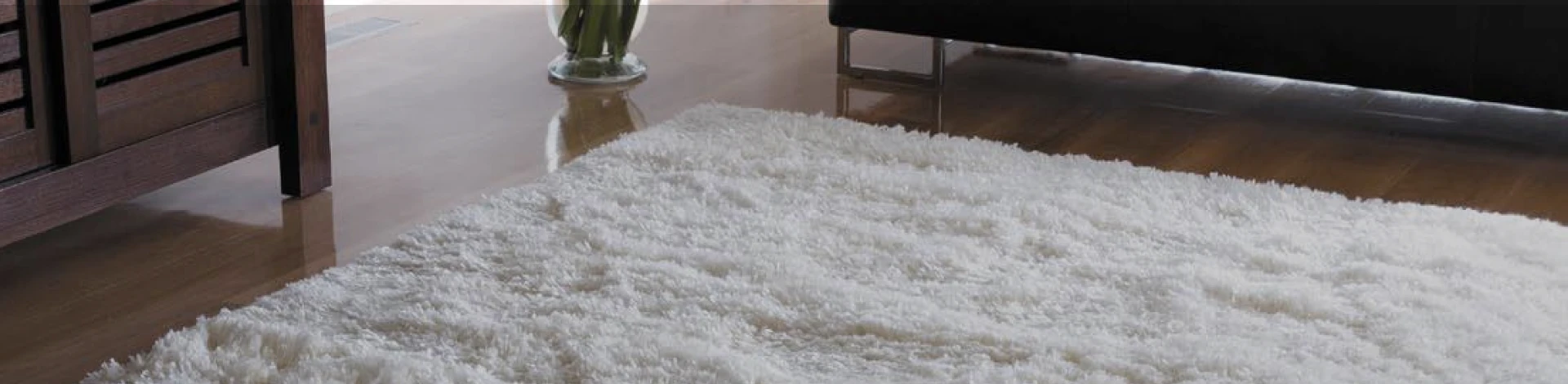
Carpeting represents a significant sector within the broader flooring industry, offering a diverse range of constructions, materials, and performance characteristics. This guide focuses on prevalent carpet types – namely, Cut Pile, Loop Pile, and Tufted carpet – analyzing their manufacturing processes, material science, performance under load, and failure mechanisms. Carpets are primarily valued for their thermal insulation, acoustic dampening, and aesthetic qualities, particularly within residential and commercial applications. The selection criteria involve balancing these features with durability, maintenance requirements, and cost considerations. Industry pain points commonly revolve around wear resistance, stain susceptibility, and the environmental impact of manufacturing and disposal. Understanding these factors is critical for informed procurement and effective lifecycle management.
Material Science & Manufacturing
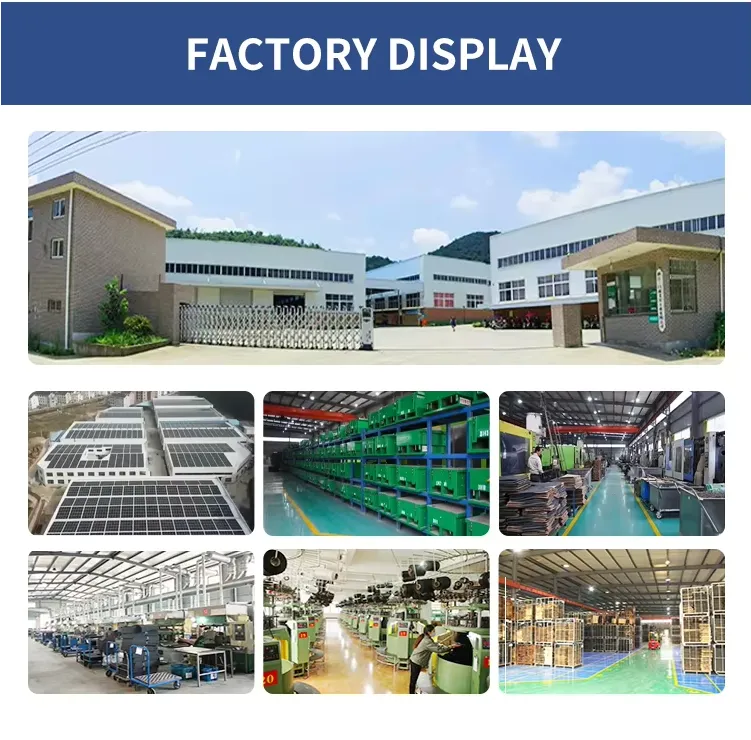
The foundational material for most carpets is polypropylene (PP), nylon 6,6, polyester (PET), and wool. Polypropylene is favored for its cost-effectiveness and inherent stain resistance, though it exhibits lower resilience compared to nylon. Nylon 6,6, renowned for its exceptional durability and resilience, is a premium choice for high-traffic areas. Polyester provides a balance between cost and performance, offering good stain resistance but potentially lower abrasion resistance. Wool, a natural fiber, delivers superior resilience, inherent flame retardancy, and luxurious feel, but commands a higher price and requires specialized cleaning. Manufacturing processes vary depending on carpet type. Tufting is the most dominant method, involving insertion of yarn through a primary backing using needles. Cut pile carpets are then sheared to create an upright pile, influencing texture and density. Loop pile carpets retain the looped yarn structure, offering enhanced durability. The primary backing is typically polypropylene, while secondary backings, such as latex or polyurethane foam, provide additional cushioning and stability. Parameter control during tufting is paramount; yarn tension, needle gauge, and loop height directly affect carpet density, pile height, and overall performance. Proper curing of the secondary backing is vital to prevent delamination. Dyeing is typically accomplished via solution dyeing (for PP) or yarn dyeing (for nylon and wool), influencing colorfastness and UV resistance.
Performance & Engineering
Carpet performance is characterized by several key metrics. Pile density, measured in ounces per square yard, directly correlates with durability and perceived luxury. Fiber thickness, measured in denier, influences abrasion resistance. Tuft density, or the number of tufts per square inch, dictates overall carpet stability. Force analysis reveals that carpet resilience is crucial in mitigating impact forces and distributing weight. This is particularly important in reducing fatigue failure under repeated loads. Environmental resistance necessitates consideration of moisture absorption, stain penetration, and UV degradation. Nylon exhibits superior moisture resistance compared to wool, minimizing the risk of mold and mildew growth. Stain resistance is enhanced by applying stain-repellent treatments, such as fluorochemicals. However, these treatments can degrade over time, requiring periodic reapplication. Compliance requirements, governed by standards like the Americans with Disabilities Act (ADA), dictate pile height and compression characteristics to ensure accessibility for individuals with mobility impairments. Additionally, flammability testing, per ASTM E84, assesses smoke development and flame spread characteristics, vital for safety in commercial settings.
Technical Specifications
| Carpet Type | Primary Fiber | Pile Density (oz/yd²) | Tuft Density (tufts/in²) | Wear Resistance (ACR Rating) | Water Absorption (%) |
|---|---|---|---|---|---|
| Cut Pile | Nylon 6,6 | 48-60 | 4.5-6.0 | 4.0-5.0 | 3.5 |
| Loop Pile | Polypropylene | 36-48 | 3.0-4.5 | 2.5-3.5 | 0.5 |
| Tufted (Polyester) | Polyester (PET) | 40-52 | 3.5-5.0 | 3.0-4.0 | 1.0 |
| Cut Pile | Wool | 60-80 | 5.0-7.0 | 4.5-5.5 | 30 |
| Loop Pile | Nylon 6 | 50-65 | 4.0-6.0 | 4.0-5.0 | 4.0 |
| Tufted (Polypropylene) | Polypropylene | 30-40 | 2.5-3.5 | 2.0-3.0 | 0.2 |
Failure Mode & Maintenance
Common carpet failure modes include wear-induced pile loss (abrasion), fiber breakage (fatigue cracking), delamination of the secondary backing, stain penetration, and color fading (UV degradation). Abrasion occurs primarily in high-traffic areas, leading to visible wear patterns. Fatigue cracking, particularly in nylon carpets, results from repeated bending and compression. Delamination arises from inadequate adhesive bonding between the primary and secondary backings. Stain penetration is accelerated by the porosity of certain fibers and the absence of protective treatments. UV degradation causes discoloration and embrittlement, particularly in polypropylene carpets exposed to direct sunlight. Maintenance strategies involve regular vacuuming to remove abrasive debris, prompt stain removal using appropriate cleaning agents, periodic deep cleaning via hot water extraction, and professional inspection for signs of delamination or fiber damage. Preventative measures include the use of entrance mats to trap dirt and moisture, rotating furniture to distribute wear, and applying stain-repellent treatments. In cases of delamination, re-adhering the backings with a suitable adhesive may offer temporary remediation, but complete replacement is often necessary. For significant wear or damage, consider carpet patching or full replacement.
Industry FAQ
Q: What are the key differences in resilience between nylon and polypropylene carpets?
A: Nylon 6,6 exhibits significantly higher resilience than polypropylene. Resilience refers to the carpet's ability to spring back after compression. Nylon fibers possess a greater degree of molecular flexibility, allowing them to recover their original shape more effectively. Polypropylene, while cost-effective, tends to mat down more readily under repeated foot traffic, leading to a loss of appearance and reduced lifespan. This difference stems from the inherent structural properties of the polymers themselves.
Q: How does pile height affect carpet performance and maintenance?
A: Pile height influences both performance and maintenance. Higher pile heights (e.g., shag carpets) generally offer greater cushioning and aesthetic appeal but are more susceptible to matting and require more frequent vacuuming. Lower pile heights (e.g., berber carpets) provide enhanced durability and ease of cleaning but may feel less luxurious. Higher piles trap more dirt and allergens, necessitating more robust cleaning protocols.
Q: What is the significance of the ACR (Appearance Retention Rating) in evaluating carpet durability?
A: The ACR rating, as determined by the Carpet and Rug Institute (CRI), provides a standardized measure of a carpet's ability to resist wear and maintain its appearance over time. Ratings range from 1.0 to 5.0, with 5.0 representing the highest level of performance. Higher ACR ratings indicate superior abrasion resistance and resilience, translating to a longer lifespan and reduced need for replacement.
Q: What are the environmental considerations regarding carpet manufacturing and disposal?
A: Carpet manufacturing can be energy-intensive and generate significant waste. Recycled content in both the fibers and backing materials is crucial for minimizing environmental impact. Disposal of carpets poses a challenge due to the complexity of their construction. Landfilling is a common practice, but recycling initiatives are gaining traction, converting carpet waste into new materials or energy. Consideration of the carpet's lifecycle impact, from raw material sourcing to end-of-life management, is paramount.
Q: How do stain-repellent treatments impact carpet longevity and are they effective long-term?
A: Stain-repellent treatments, typically based on fluorochemicals, create a barrier that prevents liquids from penetrating the carpet fibers, thereby extending its lifespan and maintaining its appearance. However, the effectiveness of these treatments diminishes over time due to wear, cleaning, and exposure to environmental factors. Periodic reapplication is recommended to restore stain resistance. Newer, more durable treatments are being developed to address the limitations of traditional fluorochemicals.
Conclusion
The selection of appropriate carpet types necessitates a comprehensive understanding of material science, manufacturing processes, and performance characteristics. Nylon 6,6 remains the industry benchmark for durability and resilience, while polypropylene offers a cost-effective alternative for lower-traffic areas. Loop pile constructions generally provide superior wear resistance compared to cut pile, but aesthetic preferences also play a significant role. A proactive approach to maintenance, including regular cleaning and preventative measures, is essential for maximizing carpet lifespan and minimizing total cost of ownership.
Future trends in carpet technology focus on the development of sustainable materials, improved stain resistance, and enhanced recyclability. Bio-based polymers, such as those derived from corn or sugarcane, are emerging as promising alternatives to traditional petroleum-based fibers. Continued innovation in stain-repellent treatments and backing materials will further enhance carpet performance and reduce environmental impact. Ultimately, informed procurement decisions, coupled with diligent maintenance practices, will ensure optimal carpet performance and long-term value.