


Carpet Types and Performance Analysis
Introduction
Carpet constitutes a significant segment of the flooring industry, serving both residential and commercial applications. Its functionality extends beyond aesthetic appeal, providing thermal insulation, sound absorption, and cushioning. The categorization of carpet is complex, primarily differentiated by pile construction, fiber type, backing material, and manufacturing process. Understanding these distinctions is critical for specifying the appropriate carpet for a given environment and performance requirement. The industry faces ongoing challenges related to sustainability, durability, and maintaining consistent quality across varying price points. This guide provides an in-depth technical overview of the major carpet types, examining their properties, manufacturing, and applications from a B2B industrial perspective.
Material Science & Manufacturing
The core materials used in carpet production are fibers, backing, and adhesives. Common fibers include nylon (polyamide), polypropylene (olefin), polyester (polyethylene terephthalate), and wool. Nylon, known for its exceptional resilience and abrasion resistance, is produced through the polymerization of caprolactam or hexamethylenediamine and adipic acid. Polypropylene, a cost-effective alternative, is derived from propylene gas. Polyester fibers offer inherent stain resistance but generally exhibit lower resilience compared to nylon. Wool, a natural fiber, provides superior warmth, softness, and inherent flame resistance, but demands more stringent maintenance.
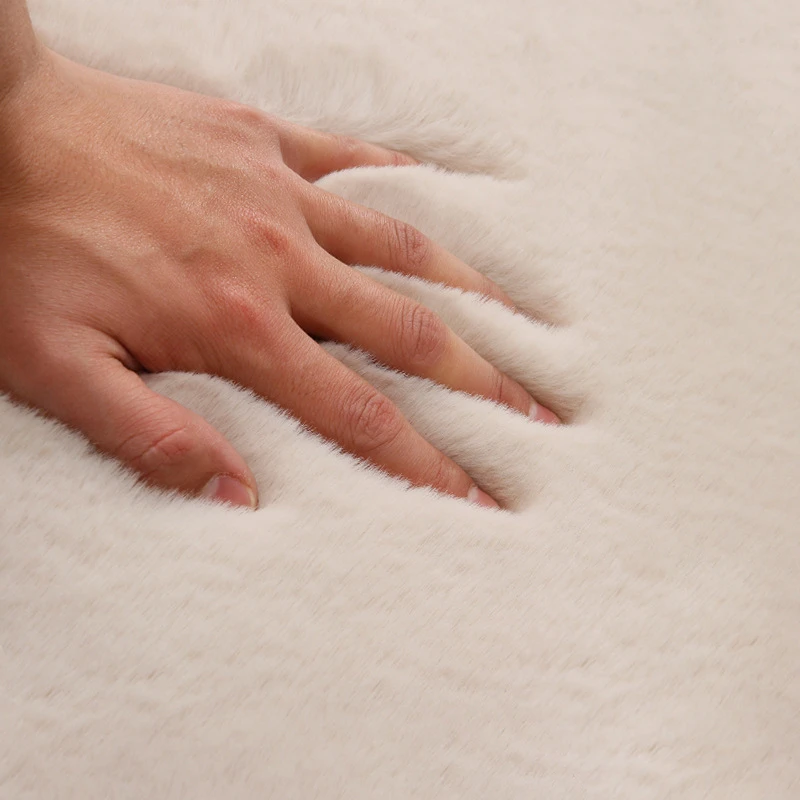
Manufacturing processes vary depending on carpet type. Cut pile carpets are created by looping yarn through the primary backing and then shearing the loops, resulting in a dense, upright pile. Loop pile carpets retain the looped structure, offering increased durability and stain resistance. Tufting is the most common manufacturing method, involving inserting yarns into a primary backing using needles. Woven carpets, although more expensive, are created by interlacing warp and weft yarns, resulting in a highly durable and intricate construction. Needle punch carpets utilize barbed needles to interlock fibers, creating a dense, non-woven structure typically used in commercial applications. Backing materials commonly include polypropylene, jute, and synthetic latex, providing structural stability and dimensional control. Adhesives, such as styrene-butadiene rubber (SBR) and polyurethane, are crucial for bonding the backing to the flooring substrate.
Performance & Engineering
Carpet performance is dictated by several key engineering properties. Pile density, measured in ounces per square yard, directly correlates to durability and comfort. Fiber tenacity, representing the yarn’s breaking strength, is crucial for resisting wear and tear. The Coefficient of Friction (COF) determines slip resistance, a vital safety consideration, particularly in high-traffic areas. Carpet’s resilience, or its ability to recover from compression, impacts its long-term appearance and performance.
Environmental resistance encompasses stain resistance, fading resistance (lightfastness), and moisture resistance. Stain resistance is often enhanced through the application of fluorochemical finishes. Lightfastness is influenced by fiber type and dye chemistry; higher-quality dyes exhibit greater resistance to UV degradation. Moisture resistance is critical to prevent mold and mildew growth. Compliance with flammability standards, such as those established by the National Fire Protection Association (NFPA) and the Building Officials and Code Administrators International (BOCA), is paramount for ensuring safety. Furthermore, Low VOC (Volatile Organic Compound) emissions are increasingly important for indoor air quality, driven by standards like California Department of Public Health Section 01350.
Technical Specifications
| Carpet Type | Fiber Material | Pile Construction | Density (oz/yd²) |
|---|---|---|---|
| Nylon Cut Pile | Nylon 6,6 | Cut Pile | 32-60 |
| Polypropylene Loop Pile | Polypropylene | Loop Pile (Level or Multi-Level) | 24-48 |
| Polyester Saxony | Polyester (PET) | Cut Pile (Saxony) | 28-56 |
| Wool Berber | 100% Wool | Loop Pile (Berber) | 36-72 |
| Nylon Tufted | Nylon 6 | Tufted (Cut & Loop) | 30-50 |
| Needle Punch (Commercial) | Polypropylene/Nylon Blend | Non-Woven (Needle Punch) | 20-40 |
Failure Mode & Maintenance
Common carpet failure modes include fiber degradation (loss of resilience, fading), delamination (separation of backing), crushing (loss of pile height), and staining. Nylon fibers are susceptible to abrasion fatigue, leading to fiber breakage over time. Polypropylene, while cost-effective, is prone to oil-based staining and UV degradation. Wool is vulnerable to moth damage and requires regular cleaning. Delamination typically results from adhesive failure, exacerbated by moisture exposure and high traffic. Crushing occurs due to prolonged compression, particularly in areas with heavy furniture.
Preventative maintenance is crucial for extending carpet lifespan. Regular vacuuming removes abrasive particulate matter that contributes to fiber wear. Prompt stain removal minimizes permanent discoloration. Professional hot water extraction (steam cleaning) periodically deep cleans the fibers and removes embedded dirt. Periodic carpet rotation (re-orienting area rugs) distributes wear patterns. For wool carpets, mothproofing treatments are recommended. In commercial settings, a scheduled maintenance program incorporating regular cleaning and preventative repairs is essential. Addressing wear patterns quickly—through patching or localized replacement—can prevent further deterioration and extend the overall service life.
Industry FAQ
Q: What are the key differences between solution-dyed and piece-dyed carpets, and how do these differences impact their performance and suitability for high-traffic areas?
A: Solution-dyed carpets have color incorporated into the fiber during the manufacturing process, making them exceptionally colorfast and resistant to fading and staining. Piece-dyed carpets are dyed after being formed into yarn or carpet, resulting in vibrant colors but potentially lower colorfastness. For high-traffic areas, solution-dyed carpets are significantly preferred due to their superior durability and resistance to wear and tear.
Q: How does the backing material contribute to the overall performance and longevity of a carpet, and what are the advantages and disadvantages of different backing types (e.g., woven, non-woven)?
A: The backing provides structural stability and dimensional control. Woven backings, while more expensive, offer exceptional durability and resistance to delamination. Non-woven backings, typically made of polypropylene or jute, are more cost-effective but may exhibit lower strength and moisture resistance. Synthetic latex adhesives are used to bond the backing to the pile, and adhesive failure is a common cause of delamination. The choice of backing depends on the intended application and budget.
Q: What are the implications of varying pile heights and densities on the comfort, durability, and maintenance requirements of different carpet types?
A: Higher pile heights generally provide greater comfort and cushioning but can be more prone to crushing and matting. Higher pile densities correlate with increased durability and resilience, as there are more fibers per unit area. Dense carpets are more resistant to wear but may be more difficult to clean. Low pile carpets are easier to maintain and are often preferred in high-traffic areas, while plush, high-pile carpets are suitable for low-traffic areas where comfort is prioritized.
Q: Considering the growing emphasis on sustainability, what are the most environmentally friendly carpet options available, and what certifications should buyers look for?
A: Environmentally friendly options include carpets made from recycled fibers (e.g., recycled nylon or polyester), carpets with bio-based backing materials (e.g., jute), and carpets manufactured using low-VOC adhesives. Look for certifications such as CRI Green Label Plus (for low VOC emissions), LEED (Leadership in Energy and Environmental Design) credits, and Global Recycle Standard (GRS) for recycled content.
Q: What are the typical wear warranties offered by carpet manufacturers, and what factors influence the length and coverage of these warranties?
A: Wear warranties typically range from 10 to 20 years for residential carpets and 5 to 15 years for commercial carpets. Warranty coverage is influenced by fiber type, pile construction, density, and the intended application. Warranties often have exclusions, such as damage caused by improper maintenance, pet stains, or crushing from heavy furniture. It's essential to carefully review the warranty terms and conditions before purchase.
Conclusion
The selection of the appropriate carpet type requires a comprehensive understanding of material science, manufacturing processes, performance characteristics, and potential failure modes. Nylon remains a dominant fiber choice due to its balance of durability, resilience, and cost-effectiveness, while polypropylene provides an economical alternative for less demanding applications. Wool offers superior luxury and inherent sustainability but necessitates more rigorous maintenance. Understanding the interplay between pile construction, density, and backing material is critical for optimizing performance and longevity.
Moving forward, innovation in carpet technology will likely focus on sustainable materials, enhanced stain resistance, and improved manufacturing efficiency. Adherence to industry standards and rigorous testing protocols are paramount for ensuring consistent quality and performance. Effective preventative maintenance programs remain essential for maximizing the lifespan and aesthetic appeal of carpet installations, minimizing lifecycle costs and environmental impact.