

Carpet Types Performance Analysis
Introduction
Carpeting remains a prevalent flooring solution across residential, commercial, and industrial applications. This technical guide focuses on the materials science, manufacturing processes, performance characteristics, failure modes, and maintenance strategies for common carpet types including, but not limited to, nylon, polyester, olefin (polypropylene), and wool. The industry faces ongoing challenges related to durability, stain resistance, environmental impact, and cost-effectiveness. Understanding the nuanced properties of each fiber type and construction method is critical for informed procurement, specification, and long-term performance optimization. This guide provides an in-depth analysis to address those challenges, moving beyond superficial product descriptions to explore the underlying engineering principles. Core performance characteristics evaluated include pile density, fiber resilience, tuft bind, backing stability, and overall wear resistance as determined by standardized testing procedures.
Material Science & Manufacturing
The foundation of carpet performance lies in the material science of its constituent components: fiber, backing, and adhesive. Nylon, specifically type 6,6, is a polyamide thermoplastic known for its exceptional abrasion resistance and resilience due to strong intermolecular hydrogen bonding. Manufacturing involves polymerization of hexamethylenediamine and adipic acid, followed by melt spinning into filaments. Polyester (PET – polyethylene terephthalate) offers good stain resistance and colorfastness, but generally lower resilience than nylon. It's produced through esterification of ethylene glycol and terephthalic acid, then extruded and drawn into fibers. Olefin (polypropylene) is cost-effective and resistant to moisture and many chemicals, making it suitable for outdoor applications. It is created through the polymerization of propylene gas. Wool, a natural protein fiber, provides inherent warmth, softness, and flame retardancy. Its production relies on sheep shearing and subsequent cleaning, carding, and spinning.
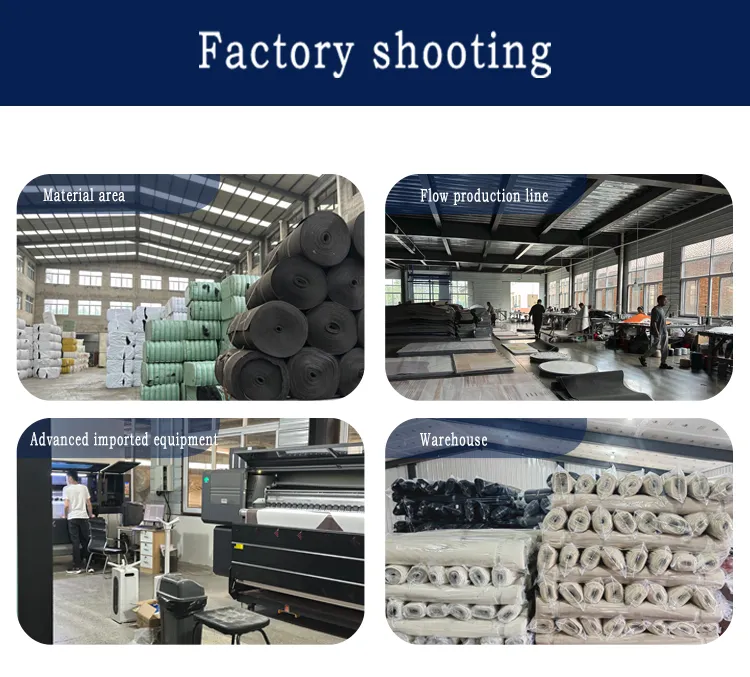
Carpet manufacturing employs several key processes. Tufting, the most common method, involves inserting fibers through a primary backing using needles. Cut pile, loop pile, and cut-and-loop pile constructions are created through varying the tufting machine's mechanisms. Woven carpets, though less prevalent, involve interlacing warp and weft yarns for increased structural integrity. Needle punching mechanically interlocks fibers into a backing, often used for low-cost carpets and rugs. Backing materials typically include polypropylene or jute. Latex adhesives are often used to secure the tufts to the backing, though more sustainable options utilizing bio-based polymers are emerging. Parameter control during these processes—fiber denier, yarn twist, tuft density, gauge, and pile height—directly influences the final carpet’s properties. Accurate tension control during tufting and consistent adhesive application are critical to preventing delamination and ensuring dimensional stability.
Performance & Engineering
Carpet performance is dictated by a complex interplay of mechanical forces, environmental stressors, and chemical interactions. Force analysis reveals that carpet experiences compressive loads from foot traffic, tensile stresses during stretching or movement, and shear forces during impacts. Pile resilience, a measure of a fiber’s ability to recover its original shape after compression, is paramount for comfort and durability. This is directly related to the fiber’s inherent elasticity and the carpet’s construction. Environmental resistance includes assessing resistance to ultraviolet (UV) degradation, particularly for outdoor carpets exposed to sunlight. Moisture resistance is crucial to prevent mold and mildew growth, especially in high-humidity environments. Chemical resistance determines the carpet’s ability to withstand spills and cleaning agents without discoloration or damage.
Compliance requirements vary by region and application. Flammability testing, often adhering to standards like ASTM E84 (Surface Burning Characteristics) and NFPA 253 (Method of Test for Critical Radiant Flux of Floor Covering Materials), ensures fire safety. Indoor Air Quality (IAQ) standards, such as CRI Green Label Plus, regulate volatile organic compound (VOC) emissions. ADA (Americans with Disabilities Act) guidelines specify maximum pile height and compression to ensure accessibility for individuals with mobility impairments. Functional implementation details include understanding the impact of underlayment on sound absorption, thermal insulation, and impact resistance. Properly selecting and installing an appropriate underlayment can significantly enhance the overall performance and longevity of the carpet system.
Technical Specifications
| Fiber Type | Pile Density (oz/yd²) | Tuft Bind (lbs/in) | Moisture Absorption (%) | Abrasion Resistance (Cycles - Taber Abraser) | Flammability (ASTM E84 - Flame Spread Index) |
|---|---|---|---|---|---|
| Nylon 6,6 | 36-48 | 6-8 | 3.5 | 10,000+ | < 50 |
| Polyester (PET) | 30-40 | 5-7 | 0.5 | 6,000-8,000 | < 50 |
| Olefin (Polypropylene) | 24-36 | 4-6 | 0.1 | 4,000-6,000 | < 75 |
| Wool | 40-60 | 7-9 | 14-18 | 8,000-12,000 | < 65 (inherently flame retardant) |
| Nylon 6 | 32-44 | 5.5-7.5 | 4.0 | 9,000+ | < 50 |
| Triexta (PTT) | 34-46 | 6-8 | 2.0 | 7,000-9,000 | < 50 |
Failure Mode & Maintenance
Carpet failure can manifest in several forms. Fatigue cracking, particularly in high-traffic areas, arises from repeated compression and flexing of the fibers, leading to eventual breakage. Delamination, the separation of the pile from the backing, is often caused by inadequate adhesive bonding or excessive stress. Degradation, specifically UV degradation in olefin carpets, results in discoloration and embrittlement. Oxidation of nylon fibers can lead to loss of strength and discoloration, especially in the presence of pollutants. Wear patterns, such as traffic lanes and localized abrasion, are common indicators of inadequate pile density or fiber resilience.
Professional maintenance is crucial for extending carpet life. Regular vacuuming removes abrasive dirt and debris, minimizing wear. Spot cleaning addresses spills promptly, preventing staining. Hot water extraction (steam cleaning) removes deeply embedded soil and allergens. Periodic deep cleaning, utilizing appropriate detergents and extraction techniques, restores pile appearance and removes accumulated contaminants. Preventative maintenance, such as the use of entrance mats to trap dirt and moisture, reduces overall wear and tear. For delamination, re-gluing with appropriate adhesives may provide a temporary fix, but complete replacement is often necessary. Addressing identified failure modes proactively and implementing a comprehensive maintenance schedule are key to maximizing the return on investment in carpet flooring.
Industry FAQ
Q: What are the primary differences in stain resistance between nylon and polyester carpet fibers?
A: While both nylon and polyester offer good stain resistance, polyester generally exhibits superior inherent resistance to many common household stains, particularly water-based spills. Nylon, however, can be treated with stain-resistant finishes that significantly improve its performance. The key difference lies in the fiber’s chemical structure; polyester is hydrophobic, while nylon is more hydrophilic, making it more susceptible to absorbing certain stains without treatment.
Q: How does pile height affect carpet durability and maintenance requirements?
A: Higher pile heights generally offer increased comfort and a more luxurious feel, but they can also be more prone to crushing and matting, reducing durability in high-traffic areas. Lower pile heights are typically more durable and easier to clean, but may feel less plush. Maintenance requirements increase with pile height, as more dirt and debris can become trapped within the deeper fibers.
Q: What is the environmental impact of different carpet backing materials, and what are the emerging sustainable alternatives?
A: Traditional carpet backings often utilize polypropylene or jute, both of which have environmental implications. Polypropylene is derived from fossil fuels, while jute production can contribute to deforestation. Emerging sustainable alternatives include bio-based backings made from recycled content, plant-based polymers, and biodegradable materials. These alternatives aim to reduce the carbon footprint and minimize waste.
Q: How important is the tuft bind strength in determining the overall lifespan of a carpet?
A: Tuft bind strength is a critical indicator of carpet durability. It measures the force required to pull a tuft from the backing. Higher tuft bind strength indicates a more secure attachment of the fibers, reducing the likelihood of tuft loss and extending the carpet’s lifespan. A tuft bind of at least 6 lbs/in is generally considered acceptable for residential applications, while commercial environments require higher values.
Q: What are the key considerations when selecting a carpet for a healthcare facility, and how do these differ from those for a typical office environment?
A: Healthcare facilities require carpets with stringent performance characteristics, including exceptional stain resistance, antimicrobial properties, ease of cleaning and disinfection, and low VOC emissions to maintain a hygienic environment. Resilience and comfort are also important for patients and staff. Office environments prioritize durability, stain resistance, and noise reduction, but antimicrobial properties are generally less critical.
Conclusion
The selection of appropriate carpeting necessitates a comprehensive understanding of material science, manufacturing processes, and performance characteristics. Nylon, polyester, olefin, and wool each present unique advantages and disadvantages, demanding careful consideration of the intended application and performance requirements. Focusing on parameters like pile density, tuft bind, and abrasion resistance, alongside adhering to relevant industry standards, is crucial for optimizing durability and lifespan.
Future trends in carpet technology center on sustainability, including the development of bio-based materials, recycled content, and closed-loop manufacturing processes. Advancements in fiber technology promise improved stain resistance, enhanced durability, and reduced environmental impact. Continued research and development are essential to address the evolving needs of the flooring industry and create more sustainable, high-performance carpet solutions.