

cream fur rug Material Composition Analysis
Introduction
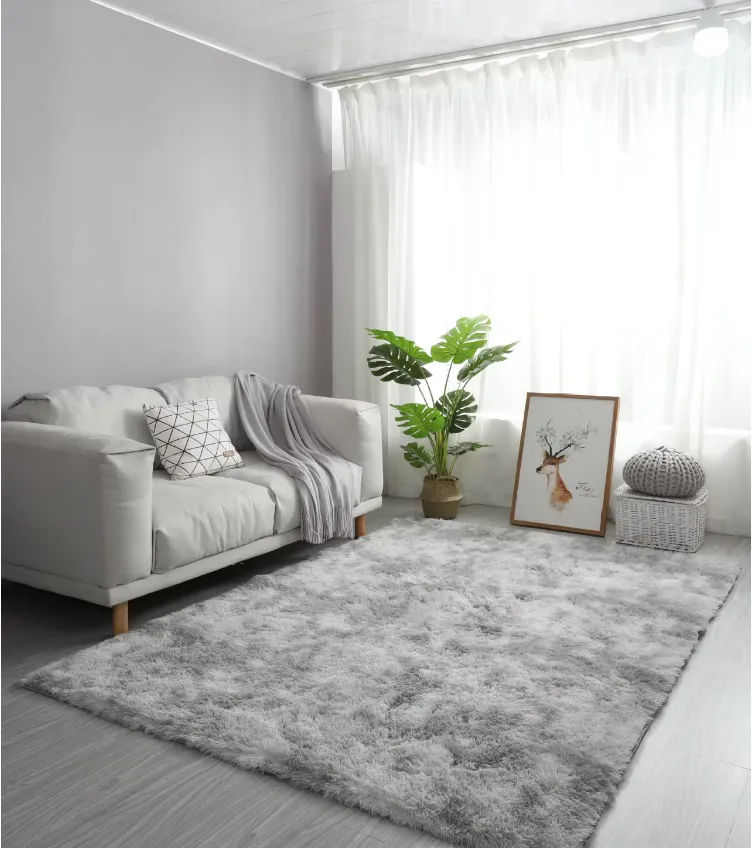
Cream fur rugs represent a segment within the broader textile floor covering industry, positioned between mass-produced synthetic rugs and high-end, hand-knotted wool or silk rugs. These rugs typically utilize a base material—often jute, cotton, or synthetic blends—with a surface pile constructed from artificial fur fibers, most commonly modacrylic or acrylic. Their primary appeal stems from offering a luxurious aesthetic at a comparatively accessible price point. Performance characteristics focus on tactile softness, visual appeal, and ease of maintenance, rather than extreme durability or inherent resistance to abrasion. The manufacturing process combines textile engineering, polymer science, and finishing techniques. A core challenge for manufacturers is balancing aesthetic qualities with material longevity and ensuring compliance with flammability and VOC emission standards. This guide provides a comprehensive technical overview of cream fur rugs, covering material composition, manufacturing processes, performance parameters, potential failure modes, and relevant industry standards.
Material Science & Manufacturing
The construction of a cream fur rug relies on a combination of base materials and pile fibers. The base, providing structural integrity, commonly employs jute (a natural bast fiber known for its strength and affordability), cotton (offering softness and absorbency), or polypropylene (a synthetic polymer boasting high tensile strength and moisture resistance). Jute undergoes processes like spinning and weaving to create a foundational backing. Cotton may be used as a woven or non-woven layer. Polypropylene is typically extruded into sheets or woven into fabrics. The pile fibers, mimicking animal fur, are predominantly modacrylic or acrylic polymers. Modacrylic offers superior dyeability and a softer hand feel, but is generally more expensive. Acrylic provides good bulk, resilience, and resistance to sunlight degradation. These fibers are produced via solution polymerization. The manufacturing process involves several stages: 1) Backing Preparation: The chosen base material is prepared to receive the pile fibers. This may involve coating with a latex adhesive to enhance fiber retention. 2) Pile Fiber Attachment: Fibers are mechanically inserted or tufted into the backing material. Tufting is the most common method, employing needles to create loops that are then sheared to create a cut-pile effect. 3) Shearing & Finishing: The rug surface is sheared to achieve a consistent pile height and density. Finishing treatments may include brushing to enhance softness, application of stain-resistant coatings, and anti-static treatments. 4) Quality Control: Inspection for defects, fiber density variations, and adherence to dimensional specifications. Key parameters controlled during manufacturing include fiber denier (fineness), pile height, pile density (weight per unit area - grams per square meter), adhesive application rate, and shearing precision. The latex adhesive composition is critical, influencing both fiber retention and potential VOC emissions.
Performance & Engineering
Performance assessment of cream fur rugs centers on several key factors: Tactile Performance: Evaluated via hand feel testing and standardized measurements of pile compression force. Softer piles require lower compression forces. Durability: Primarily dependent on the tensile strength of both base and pile fibers, as well as the adhesion between them. Abrasion resistance is comparatively low due to the long, delicate nature of the pile fibers. Testing includes the Martindale abrasion test (measuring resistance to surface wear) and the Wyzenbeek abrasion test (simulating furniture abrasion). Flammability: A critical safety concern. Most synthetic pile fibers are inherently flammable, requiring treatment with flame retardants to meet regulatory standards (discussed in the standards section). Testing includes the pill test and radiant panel test. Moisture Management: Acrylic and modacrylic fibers exhibit limited moisture absorption. However, the base material (especially jute) can absorb moisture, potentially leading to mold growth if the rug is exposed to prolonged dampness. Dimensional Stability: Evaluated by measuring shrinkage or expansion under varying temperature and humidity conditions. Static Electricity Buildup: Synthetic fibers are prone to static buildup, requiring anti-static treatments. Force analysis focuses on the shear strength of the fiber-adhesive bond. Environmental resistance is primarily concerned with UV degradation of the pile fibers (leading to color fading and brittleness) and potential leaching of flame retardants. Compliance requirements encompass flammability standards (e.g., California Proposition 65 regarding flame retardant chemicals) and VOC emission limits (e.g., CARB Section 93120 for composite wood products, impacting adhesive selection).
Technical Specifications
| Parameter | Typical Value (Cream Fur Rug) | Testing Method | Industry Standard |
|---|---|---|---|
| Pile Fiber Material | Modacrylic/Acrylic Blend | FTIR Spectroscopy | ASTM D297 |
| Base Material | Jute/Polypropylene | Visual Inspection & Fiber Analysis | ASTM D717 |
| Pile Height | 30-50 mm | Ruler/Digital Caliper | N/A (Dimensional Specification) |
| Pile Density | 800-1500 g/m² | Gravimetric Analysis | ISO 8546 |
| Tensile Strength (Pile) | 50-80 MPa | ASTM D4266 | ASTM D4266 |
| Abrasion Resistance (Martindale) | 5,000-15,000 cycles | ASTM D4972 | ASTM D4972 |
Failure Mode & Maintenance
Cream fur rugs are susceptible to several failure modes. Fiber Shedding: A common issue, particularly during initial use, due to loose fibers not fully secured during manufacturing. This is exacerbated by abrasion. Pile Matting: Prolonged foot traffic compresses the pile fibers, leading to a flattened appearance. Color Fading: Exposure to UV radiation degrades the pile fibers, causing color loss. Staining: The pile fibers readily attract and retain stains, especially from liquids. Delamination: The adhesive bond between the pile fibers and the backing can weaken over time, leading to separation. Mold Growth: If the jute backing becomes saturated with moisture, mold can develop, leading to odor and structural degradation. Fiber Brittleness: Acrylic and modacrylic fibers can become brittle with age, especially if exposed to prolonged UV exposure or temperature fluctuations. Maintenance recommendations include: 1) Regular Vacuuming: To remove loose debris and minimize fiber matting. Use a vacuum cleaner with adjustable height settings to avoid damaging the pile. 2) Spot Cleaning: Address spills immediately with a mild detergent and water. Avoid aggressive scrubbing. 3) Professional Cleaning: Periodic professional cleaning can help remove embedded dirt and restore pile loft. 4) Avoid Direct Sunlight: Minimize exposure to direct sunlight to prevent color fading. 5) Proper Ventilation: Ensure adequate ventilation to prevent moisture buildup and mold growth. 6) Rotate the Rug: Regularly rotating the rug will distribute wear evenly.
Industry FAQ
Q: What is the impact of different latex adhesive formulations on the long-term durability and VOC emissions of a cream fur rug?
A: Latex adhesive choice significantly impacts durability. Higher solids content adhesives generally provide stronger fiber retention and improved resistance to delamination. However, some formulations contain higher levels of volatile organic compounds (VOCs). Manufacturers must balance performance with environmental compliance (e.g., CARB regulations). Water-based latex adhesives are increasingly favored over solvent-based options due to their lower VOC emissions, but may offer slightly reduced adhesion strength. The type of crosslinker used in the latex formulation also affects durability and resistance to aging.
Q: How do different pile fiber deniers (fineness) affect the tactile feel and shedding characteristics of the rug?
A: Lower denier fibers (finer fibers) generally provide a softer, more luxurious tactile feel. However, they are also more prone to shedding, as they have a smaller surface area for adhesive bonding. Higher denier fibers offer greater durability and reduced shedding but can feel coarser. Manufacturers often blend different denier fibers to achieve a balance between softness and durability.
Q: What flame retardant treatments are commonly used in cream fur rugs, and what are the potential health and environmental concerns associated with these treatments?
A: Common flame retardant treatments include application of chemicals containing phosphorus, nitrogen, or halogens. Historically, brominated flame retardants were widely used, but concerns over their persistence in the environment and potential health effects have led to a shift towards alternative treatments. Phosphorus-based flame retardants are currently favored, but even these can pose environmental challenges during manufacturing and disposal. Regulatory scrutiny is increasing, driving demand for inherently flame-resistant fibers.
Q: What standardized tests are most relevant for assessing the UV resistance and colorfastness of the pile fibers?
A: The primary standardized tests for assessing UV resistance and colorfastness are the AATCC 163 (Exposure to Artificial Weathering) and AATCC 186 (Colorfastness to Light). These tests involve exposing the rug to simulated sunlight for extended periods and evaluating the resulting color change and fiber degradation. Grey Scale ratings are used to quantify colorfastness. Accelerated weathering tests are valuable for predicting long-term performance but should be correlated with real-world exposure data.
Q: What considerations are important when selecting a base material (jute, cotton, polypropylene) for a cream fur rug, considering factors like moisture absorption, strength, and cost?
A: Jute is the most cost-effective option but exhibits the highest moisture absorption, making it susceptible to mold growth in damp environments. Cotton offers better moisture absorption than polypropylene but is less durable than either jute or polypropylene. Polypropylene is highly moisture-resistant and exhibits good tensile strength, but can be more expensive than jute. The choice of base material depends on the intended application and price point. For rugs intended for high-traffic areas or humid environments, polypropylene is generally the preferred option.
Conclusion
Cream fur rugs offer an accessible route to a luxurious aesthetic, but their performance is intrinsically linked to material selection and manufacturing quality. The delicate nature of the synthetic pile fibers necessitates careful consideration of abrasion resistance, UV stability, and flammability. Understanding the interplay between base material properties, adhesive performance, and fiber characteristics is crucial for optimizing durability and ensuring compliance with safety and environmental regulations. Proper maintenance, including regular vacuuming and prompt stain removal, is essential to prolong the lifespan of these rugs.
The industry is evolving towards more sustainable materials and manufacturing processes, driven by consumer demand for eco-friendly products and stricter regulatory oversight. The development of inherently flame-resistant fibers, coupled with the adoption of low-VOC adhesives, represents a significant opportunity for innovation. Future research should focus on enhancing the abrasion resistance of pile fibers and improving the long-term durability of the fiber-adhesive bond. Further optimization in manufacturing processes to minimize fiber waste and reduce energy consumption will also contribute to a more sustainable supply chain.