

extra large faux sheepskin rug Performance Analysis
Introduction
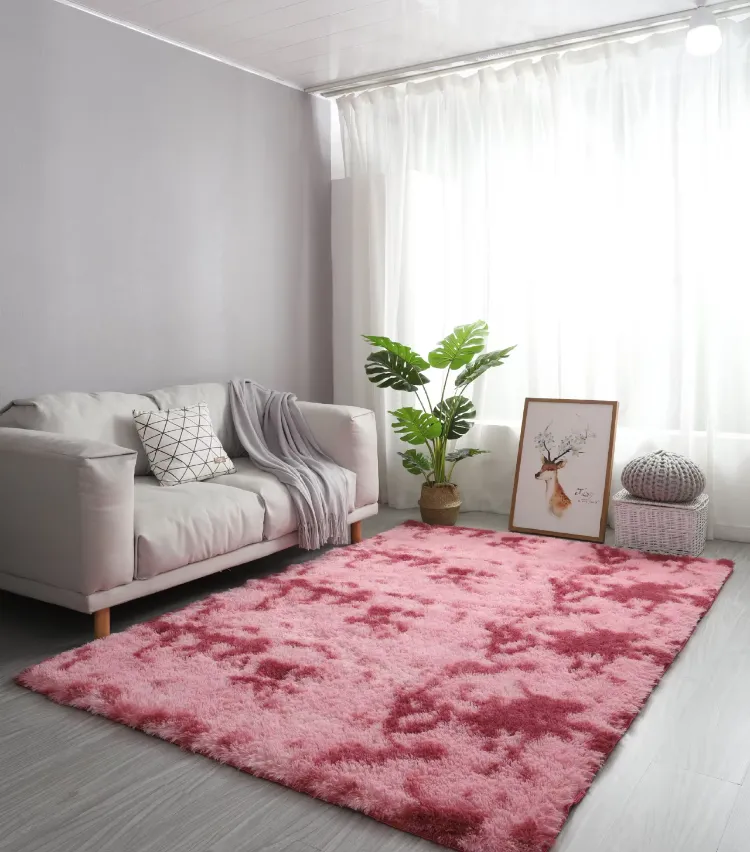
Extra large faux sheepskin rugs represent a significant segment within the broader synthetic textile market, functioning as decorative floor coverings intended to mimic the aesthetic and tactile qualities of genuine sheepskin. Unlike natural sheepskin, these rugs are typically constructed from synthetic fibers, predominantly polyester, acrylic, or polypropylene, offering a more affordable, readily available, and often easier-to-maintain alternative. Their position in the supply chain involves fiber production, yarn manufacturing, non-woven or woven fabric construction, and finishing processes. Core performance characteristics revolve around pile density, fiber softness, colorfastness, and resistance to shedding and wear, impacting consumer acceptance and longevity. The primary industry pain point lies in balancing cost-effectiveness with achieving a convincingly realistic and durable product that can withstand substantial foot traffic and cleaning cycles without significant degradation of texture or appearance. Furthermore, concerns regarding chemical emissions during manufacturing and product off-gassing are increasingly impacting regulatory compliance and consumer demand.
Material Science & Manufacturing
The predominant raw materials for extra large faux sheepskin rugs are synthetic polymers. Polyester, known for its durability and resilience, is frequently utilized. Acrylic offers a softer texture more closely resembling natural wool but exhibits lower abrasion resistance. Polypropylene is favored for its cost-effectiveness and stain resistance, though it is generally less durable than polyester. The production process commonly involves the extrusion of these polymers into fine filaments. These filaments are then processed using several key techniques. Non-woven manufacturing, involving carding and needle-punching, creates a dense, matted pile. Woven techniques, such as tufting or knitting, result in a more structured and defined pile with improved dimensional stability. Critical parameters during manufacturing include denier (fiber thickness – typically between 0.5 and 2.0 denier for softness), crimp frequency (influencing pile loft and bulk), and yarn twist (affecting strength and abrasion resistance). Dyeing is conducted using reactive dyes for polyester or acid dyes for acrylic, with careful control of dye bath temperature, pH, and residence time to achieve consistent color penetration and fastness. A finishing process, often involving a brushing or shearing step, creates the desired pile height and texture. The backing material is usually a non-woven polypropylene fabric with a latex or PVC coating to provide dimensional stability and prevent slippage.
Performance & Engineering
Performance evaluation of extra large faux sheepskin rugs centers around several key engineering considerations. Pile crush resistance, the ability to recover from compression under foot traffic, is crucial for maintaining aesthetic appeal and comfort. This is directly related to fiber denier, crimp frequency, and backing density. Tensile strength, measured according to ASTM D4266, dictates the rug's resistance to tearing and ripping, impacting its overall durability. Environmental resistance encompasses UV stability (assessed via ASTM D4365), resistance to water absorption (evaluated using ASTM D2047), and flammability (tested per ASTM D2859). Force analysis during foot traffic indicates that shear stresses are concentrated at the pile fibers, while compressive stresses are borne by the backing material. Compliance requirements vary by region but typically involve adherence to chemical emission standards (e.g., OEKO-TEX Standard 100) to limit the presence of harmful substances such as formaldehyde and phthalates. Furthermore, regulations regarding lead content in dyes and finishes are increasingly stringent. Static electricity build-up can be a performance issue, addressed through the incorporation of anti-static agents during fiber production or coating the backing with conductive materials.
Technical Specifications
| Parameter | Polyester | Acrylic | Polypropylene | Unit |
|---|---|---|---|---|
| Pile Height | 20-60 | 30-70 | 15-40 | mm |
| Pile Density | 800-1500 | 600-1200 | 700-1400 | g/m² |
| Tensile Strength (Warp) | 250-400 | 180-300 | 200-350 | N/5cm |
| Tensile Strength (Weft) | 200-350 | 150-250 | 180-300 | N/5cm |
| Colorfastness to Light (Grade) | 4-5 | 3-4 | 4-5 | - |
| Water Absorption (%) | <1.0 | <1.5 | <0.5 | - |
Failure Mode & Maintenance
Extra large faux sheepskin rugs are susceptible to several failure modes. Pile crushing, resulting from prolonged compression, leads to a flattened appearance and reduced comfort. This is exacerbated by low pile density and inadequate backing support. Fiber shedding is a common issue, particularly with acrylic rugs, stemming from the inherent weakness of the fibers and incomplete anchoring during manufacturing. Abrasion, caused by foot traffic and cleaning, leads to fiber breakage and pile wear, reducing the rug's aesthetic appeal and functional lifespan. UV degradation, especially in rugs exposed to direct sunlight, causes discoloration and embrittlement of the fibers. Chemical degradation can occur due to exposure to harsh cleaning agents or solvents. Delamination of the backing material can occur if the adhesive bond between the pile and backing fails, leading to separation and structural instability. Maintenance recommendations include regular vacuuming to remove loose debris, spot cleaning with mild detergent and water, and avoiding harsh chemicals or abrasive cleaning methods. Periodic rotation of the rug can help distribute wear evenly. Professional cleaning is recommended every 12-18 months to restore pile loft and remove deeply embedded dirt. To mitigate failure, selecting rugs with higher pile density, durable backings, and UV-stabilized fibers is crucial.
Industry FAQ
Q: What is the primary difference between polyester and acrylic faux sheepskin rugs in terms of durability?
A: Polyester generally exhibits superior abrasion resistance and tensile strength compared to acrylic, making it more durable for high-traffic areas. Acrylic offers a softer hand feel, more closely mimicking natural sheepskin, but is more prone to shedding and fiber breakage under stress. Polyester is less likely to pill and maintains its shape better over time.
Q: How can I assess the UV resistance of a faux sheepskin rug before purchase?
A: Look for rugs specifically marketed as UV-stabilized. While a direct test requires laboratory equipment, requesting information from the manufacturer regarding their UV exposure testing (e.g., ASTM D4365) can provide insight. Consider the intended location – rugs exposed to significant sunlight will require higher UV resistance.
Q: What types of cleaning agents should be avoided when cleaning a faux sheepskin rug?
A: Avoid harsh chemicals like bleach, ammonia, and solvent-based cleaners. These can damage the synthetic fibers, causing discoloration or degradation. Steer clear of abrasive cleaners and scrubbing brushes, which can cause pile damage. Mild detergent and water are the safest options.
Q: What role does the backing material play in the overall performance of the rug?
A: The backing provides dimensional stability, prevents slippage, and contributes to the rug's overall structural integrity. A high-quality, non-woven polypropylene backing with a robust latex or PVC coating is essential. Poorly constructed backings can lead to delamination and premature wear.
Q: Are there any environmental certifications I should look for when purchasing a faux sheepskin rug?
A: OEKO-TEX Standard 100 certification ensures that the rug has been tested for harmful substances, such as formaldehyde and phthalates, and meets stringent safety requirements. Certifications related to recycled content, if applicable, also demonstrate a commitment to sustainability.
Conclusion
Extra large faux sheepskin rugs represent a sophisticated alternative to natural sheepskin, balancing aesthetics, affordability, and ease of maintenance. The selection of appropriate raw materials – polyester, acrylic, or polypropylene – coupled with precise control over manufacturing parameters such as pile density, fiber crimp, and backing construction, are paramount to achieving optimal performance. Understanding the potential failure modes – pile crushing, shedding, abrasion, and UV degradation – is critical for informed product selection and preventative maintenance.
Future developments in this sector will likely focus on enhancing fiber durability, improving UV resistance, and incorporating sustainable materials, such as recycled polymers. Furthermore, advancements in non-woven fabric technology promise to deliver even more realistic and luxurious textures. A continued emphasis on chemical emission standards and responsible manufacturing practices will be essential for meeting evolving consumer expectations and regulatory requirements.