


fake animal rug Performance Analysis
Introduction
Fake animal rugs, also known as faux fur rugs, represent a significant segment of the decorative flooring market, offering aesthetic appeal without the ethical and sustainability concerns associated with genuine animal hides. These rugs are typically constructed from synthetic fibers designed to mimic the appearance and tactile properties of natural animal fur. Their technical position within the broader textile industry involves polymer science, fiber extrusion, dyeing processes, and finishing techniques. Core performance characteristics revolve around durability, pile density, colorfastness, and resistance to shedding. The industry faces growing demands for environmentally friendly materials and production processes, driving innovation in recycled fiber content and low-VOC (Volatile Organic Compound) dyes. A key pain point for consumers and manufacturers is achieving a realistic texture and appearance that accurately replicates the depth and variation found in genuine animal fur, alongside ensuring the rug maintains its form and aesthetic appeal over time with regular use.
Material Science & Manufacturing
The predominant raw material for fake animal rugs is synthetic polymers, primarily polypropylene (PP) and polyester (PET). Polypropylene is favored for its inherent resilience, low cost, and excellent stain resistance, though it exhibits lower UV resistance. Polyester, on the other hand, provides superior color retention and a softer hand-feel, but is more susceptible to crushing and matting. Acrylic fibers are sometimes incorporated for enhanced bulk and texture. Manufacturing typically begins with polymer extrusion, where the raw polymer pellets are melted and forced through spinnerets to create continuous filaments. These filaments are then crimped to impart bulk and texture, and subsequently cut to the desired pile length. The cut fibers are tufted into a primary backing material, often polypropylene or jute, using specialized tufting machines. The primary backing is then coated with a layer of adhesive latex to secure the tufts. A secondary backing, usually a felt or non-woven fabric, is applied for additional stability and cushioning. Pile construction methods vary, including cut pile (where the fiber ends are sheared) and loop pile (where the fibers remain looped), influencing the rug’s texture and appearance. Critical process parameters include dye bath temperature and concentration, tufting gauge (fiber density), and latex adhesive viscosity, all impacting the final product’s performance. Chemical compatibility of dyes with the polymer fibers is crucial to avoid color bleeding and fading.
Performance & Engineering
Performance evaluation of fake animal rugs centers on several key engineering considerations. Tensile strength, measured according to ASTM D5035, dictates the rug’s resistance to tearing and wear. Pile compression resistance, assessed via ASTM D2848, determines how well the rug maintains its thickness and appearance under sustained pressure – crucial for high-traffic areas. Flammability is a critical safety concern, and rugs must meet flammability standards such as those defined by NFPA 701. Environmental resistance involves evaluating colorfastness to light (ASTM D1654) and resistance to cleaning agents (AATCC 130). Force analysis during manufacturing involves assessing the tensile forces exerted on the tufting fibers to prevent breakage and ensure adequate pile density. The dimensional stability of the rug, evaluated using ASTM D3937, determines its resistance to shrinkage or expansion due to changes in humidity or temperature. A key design consideration is the pile density; higher density generally correlates with improved durability and a more luxurious feel, but also increases manufacturing cost. Compliance requirements vary by region, encompassing restrictions on the use of harmful chemicals like formaldehyde and phthalates (REACH regulation in Europe) and requirements for labeling and content disclosure.
Technical Specifications
| Parameter | Polypropylene (PP) | Polyester (PET) | Acrylic | Unit |
|---|---|---|---|---|
| Pile Height | 25-50 | 20-45 | 30-60 | mm |
| Pile Weight | 800-1500 | 900-1800 | 600-1200 | g/m² |
| Tensile Strength | 30-45 | 40-60 | 25-40 | N/50mm |
| Colorfastness to Light | 4-6 | 6-8 | 5-7 | Grade (1-8) |
| Dimensional Stability (after washing) | ≤ 2% | ≤ 1.5% | ≤ 2.5% | % |
| Flammability (Pass/Fail - NFPA 701) | Pass | Pass | Pass | - |
Failure Mode & Maintenance
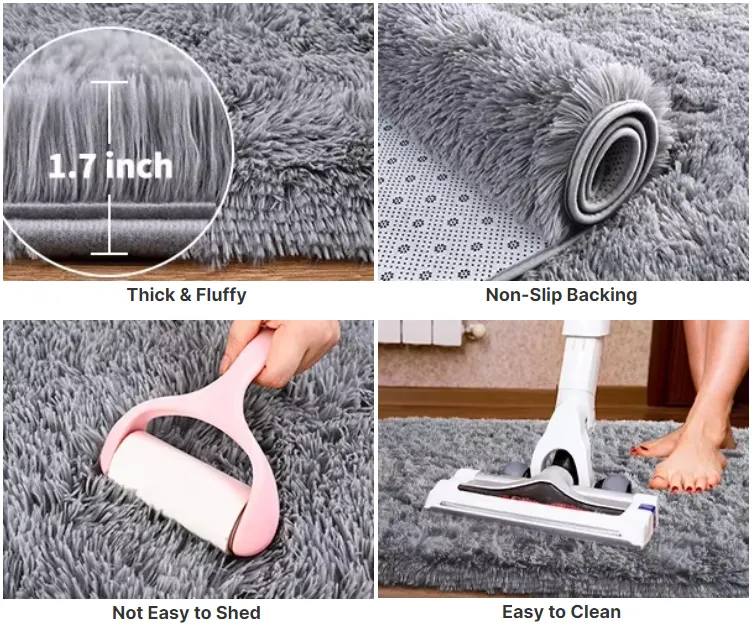
Fake animal rugs are susceptible to several failure modes. Shedding is a common issue, particularly in lower-quality rugs, resulting from inadequate fiber locking during tufting or fiber degradation. Pile crushing and matting occur due to repeated compression, especially in high-traffic areas, leading to a loss of texture and aesthetic appeal. Fading can occur due to prolonged exposure to UV radiation, particularly with polypropylene fibers. Delamination, the separation of the secondary backing from the primary backing, is caused by adhesive failure or mechanical stress. Oxidation of the polymer fibers can lead to brittleness and cracking over extended periods. Maintenance recommendations include regular vacuuming to remove debris and prevent fiber matting. Spot cleaning with mild detergent and water is recommended for spills; harsh chemicals can damage the fibers. Professional cleaning is advised for deep cleaning and restoration. Preventing prolonged exposure to direct sunlight can minimize fading. Rotate the rug periodically to distribute wear evenly. For delamination, re-adhering the backing layers with appropriate latex adhesive can provide a temporary fix, but complete replacement is often necessary for significant damage.
Industry FAQ
Q: What is the difference between polypropylene and polyester fake fur, and which is better for high-traffic areas?
A: Polypropylene offers superior stain resistance and resilience, making it a better choice for high-traffic areas. While polyester has a softer feel and better colorfastness, it is more prone to crushing and matting under constant pressure. The initial cost of polypropylene rugs is also typically lower.
Q: How can I tell if a fake animal rug is made from high-quality materials?
A: Examine the pile density – a higher density generally indicates better quality. Check for secure tufting and a robust secondary backing. Perform a simple pull test; fibers should be firmly anchored. Look for rugs with certifications (e.g., OEKO-TEX Standard 100) guaranteeing the absence of harmful substances.
Q: What are the environmental considerations when choosing a fake animal rug?
A: Consider rugs made from recycled materials, such as recycled PET bottles. Look for products manufactured using low-VOC dyes and processes. Evaluate the sustainability practices of the manufacturer and their commitment to responsible waste management.
Q: How does the pile height affect the rug's performance and feel?
A: Higher pile heights generally offer a more luxurious and comfortable feel, but they can be more difficult to clean and may not be suitable for high-traffic areas. Lower pile heights are more durable and easier to maintain, but may lack the plushness of longer piles.
Q: What is the expected lifespan of a typical fake animal rug?
A: The lifespan varies depending on the material, construction quality, and level of traffic. A well-maintained polypropylene rug can last 5-10 years, while a polyester rug may last 3-7 years. Acrylic rugs tend to have a shorter lifespan due to their lower durability.
Conclusion
Fake animal rugs represent a technologically refined solution for achieving the aesthetic benefits of animal hides without the ethical and environmental drawbacks. Their performance is heavily influenced by the selection of polymer materials – polypropylene and polyester being dominant – and the intricacies of the manufacturing process, including fiber extrusion, tufting, and backing application. Understanding the technical specifications, particularly those relating to tensile strength, pile compression resistance, and colorfastness, is crucial for selecting a rug that meets specific performance requirements.
Future developments in this sector will likely focus on enhancing the realism of faux fur textures through advanced fiber engineering and dyeing techniques, as well as increasing the utilization of recycled and bio-based polymers to address sustainability concerns. Continued refinement of manufacturing processes will be essential to improve durability, reduce shedding, and extend the lifespan of these products, ultimately increasing their value proposition for consumers and manufacturers alike.