

fake fur rug Performance Analysis
Introduction
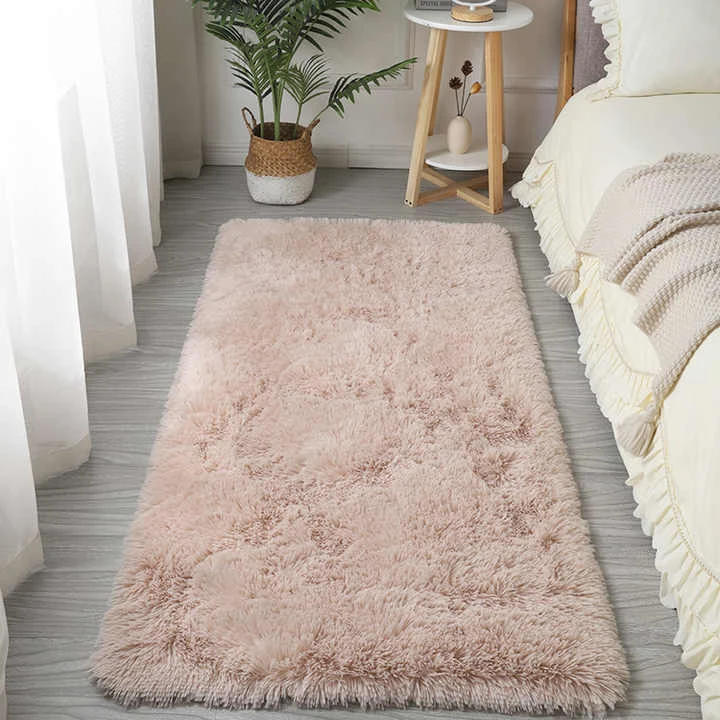
Fake fur rugs, also known as faux fur rugs, are decorative floor coverings designed to mimic the appearance and tactile sensation of animal fur. Positioned within the broader textile and home furnishings industry, these rugs represent a synthetic alternative to genuine animal hides, catering to both aesthetic preferences and ethical considerations. The core performance characteristics of a fake fur rug center around its pile height, density, fiber composition, and backing material, all influencing its perceived luxury, durability, and suitability for various applications. Key performance indicators include resistance to shedding, ease of cleaning, colorfastness, and thermal insulation. Unlike natural fur, which requires significant resource expenditure and raises animal welfare concerns, fake fur offers a cost-effective and cruelty-free option, driving its increasing market penetration. The manufacturing process has evolved significantly, with modern techniques producing increasingly realistic and soft textures. However, variations in material quality and construction methods result in substantial performance differences between products, necessitating a detailed understanding of their composition and manufacturing.
Material Science & Manufacturing
The primary materials utilized in fake fur rug production are synthetic polymers, predominantly acrylic and polyester. Acrylic fibers, known for their wool-like feel, provide excellent bulk and warmth, but are generally less durable and prone to pilling. Polyester, conversely, offers superior resilience, abrasion resistance, and color retention, though may lack the luxurious softness of acrylic. The manufacturing process begins with the extrusion of these polymers into fine filaments. These filaments are then crimped – mechanically or chemically – to create the texture and loft that mimics natural fur. This crimping process is crucial for entrapping air, providing thermal insulation and the desired tactile properties. Subsequently, the crimped fibers are tufted or woven into a backing material, typically composed of jute, polypropylene, or latex. Jute provides a natural, biodegradable backing, but lacks inherent water resistance. Polypropylene offers improved durability and moisture resistance, while latex provides a non-slip surface and enhances rug stability. Pile height, measured in millimeters or inches, is a critical parameter determined by the length of the cut or looped fibers. Density, measured in grams per square meter (GSM), dictates the rug's overall weight and perceived quality. Parameter control during extrusion – melt temperature, die pressure, and cooling rate – directly impacts fiber diameter, crimp frequency, and ultimately, the rug’s aesthetic and performance characteristics. Chemical compatibility of dyes and finishing agents with the chosen polymer is vital to prevent fading or degradation. Quality control involves rigorous testing for fiber strength, colorfastness to light and washing, and release of volatile organic compounds (VOCs).
Performance & Engineering
The performance of a fake fur rug is governed by several engineering principles. The pile’s density and fiber composition directly influence its thermal resistance (R-value), dictating its effectiveness as an insulator. Force analysis reveals that the rug’s resilience to compression and recovery from indentation are crucial for maintaining its aesthetic appearance and preventing permanent matting. The backing material plays a significant role in distributing loads and preventing delamination. Environmental resistance is primarily concerned with the rug’s ability to withstand moisture, UV radiation, and temperature fluctuations. Polyester fibers exhibit superior UV resistance compared to acrylic, minimizing color fading over time. Moisture absorption can lead to mildew growth and fiber degradation, particularly with jute backings. Compliance requirements vary by region, but commonly include flammability standards (e.g., California Technical Bulletin 117), VOC emission limits (e.g., CARB Section 93120), and restrictions on hazardous substances (e.g., REACH regulation in Europe). The structural integrity of the rug is also crucial for safety; a well-constructed rug should resist tearing and prevent tripping hazards. Fiber entanglement and secure tufting or weaving are essential for minimizing shedding. The weight of the rug and the friction coefficient between the rug and the floor surface are also important engineering considerations affecting safety and usability. Durability testing includes simulated foot traffic, abrasion resistance assessments, and repeated washing cycles.
Technical Specifications
| Fiber Composition | Pile Height (mm) | Pile Density (GSM) | Backing Material |
|---|---|---|---|
| 100% Polyester | 30 | 800 | Polypropylene |
| 80% Acrylic / 20% Polyester | 50 | 1200 | Jute with Latex Coating |
| 100% Acrylic | 25 | 600 | PVC |
| 90% Polyester / 10% Nylon | 40 | 1000 | Polyester Felt |
| 70% Acrylic / 30% Modacrylic | 60 | 1500 | Non-woven Fabric |
| 100% Polypropylene | 20 | 500 | Recycled Rubber |
Failure Mode & Maintenance
Fake fur rugs are susceptible to several failure modes. Shedding, particularly in acrylic-rich rugs, is a common issue resulting from fiber breakage and loose entanglement. Pilling occurs due to fiber abrasion and the formation of small fiber balls on the surface. Matting arises from prolonged compression and loss of fiber resilience. Color fading can occur due to UV exposure, especially with lower-quality dyes. Delamination, the separation of the pile from the backing, is a more serious failure mode often caused by poor adhesive bonding or excessive wear. Oxidation of the polymer fibers can lead to brittleness and discoloration over extended periods. Maintenance is crucial for prolonging the rug’s lifespan. Regular vacuuming with a brush attachment helps remove dust and debris. Spot cleaning with a mild detergent and water is recommended for spills. Avoid harsh chemicals or abrasive cleaners, as these can damage the fibers. Professional cleaning is advisable for deep cleaning and stain removal. Direct sunlight should be avoided to prevent color fading. To mitigate matting, rotate the rug periodically and use rug pads to distribute weight evenly. Proper storage in a cool, dry, and dark environment is essential when the rug is not in use. Repairing minor tears or loose fibers can often extend the rug's functional life, although significant damage usually necessitates replacement.
Industry FAQ
Q: What is the primary difference between acrylic and polyester fake fur, and how does it impact durability?
A: Polyester generally exhibits superior durability compared to acrylic. Acrylic, while softer and more wool-like in texture, is more prone to shedding, pilling, and fiber breakage under abrasion. Polyester fibers have higher tensile strength and better resilience, resulting in a rug that maintains its appearance and structural integrity for a longer period, particularly in high-traffic areas.
Q: How does the backing material affect the rug’s overall performance and potential for issues like mildew?
A: The backing material significantly influences the rug’s stability, moisture resistance, and potential for mildew growth. Jute, a natural fiber, is biodegradable but readily absorbs moisture, creating a favorable environment for mildew. Polypropylene and latex offer better water resistance, reducing this risk. However, latex can degrade over time with prolonged exposure to sunlight. The method of attachment – whether glued, tufted, or woven – also impacts the backing's longevity and resistance to delamination.
Q: What flammability standards are typically applied to fake fur rugs, and what testing procedures are involved?
A: Fake fur rugs are often subject to flammability standards such as California Technical Bulletin 117 (TB 117) in the US, and similar regulations in other regions. TB 117 testing involves exposing the rug to a flame and evaluating its ignition resistance, flame spread rate, and smolder characteristics. The rug must meet specific criteria to pass, ensuring it does not pose an undue fire hazard.
Q: How can I minimize shedding in a new acrylic fake fur rug?
A: Shedding is common in new acrylic rugs and typically diminishes with repeated vacuuming. Initially, vacuum the rug frequently and gently, using a brush attachment. Avoid aggressive vacuuming, as this can exacerbate shedding. A rug pad can also help minimize fiber disturbance and shedding by providing a stable base. Lightly misting the rug with water and brushing it can help settle loose fibers.
Q: What are the environmental implications of different fake fur materials, and are there more sustainable options available?
A: Traditional fake fur materials, acrylic and polyester, are derived from petroleum, a non-renewable resource. While offering a cruelty-free alternative to natural fur, they contribute to plastic waste. More sustainable options are emerging, including fake fur made from recycled PET bottles and bio-based polymers derived from plant sources. These options reduce reliance on fossil fuels and minimize environmental impact, though they may come with a higher price point.
Conclusion
Fake fur rugs represent a versatile and increasingly sophisticated segment of the home furnishings market. Their performance is intimately linked to the interplay between material science – specifically the properties of acrylic and polyester – and the intricacies of manufacturing processes, from fiber extrusion and crimping to tufting and backing attachment. Understanding the nuances of pile height, density, and backing material is paramount for selecting a rug that meets specific performance requirements and aesthetic preferences.
Continued advancements in polymer technology and sustainable material sourcing promise to further enhance the durability, environmental profile, and overall value proposition of fake fur rugs. Future developments may focus on improving fiber entanglement techniques to minimize shedding, developing more robust and eco-friendly backing materials, and creating bio-based alternatives to traditional petroleum-derived polymers. Careful consideration of these factors will be crucial for industry stakeholders seeking to innovate and meet evolving consumer demands.