

fake sheepskin rug Performance Analysis
Introduction
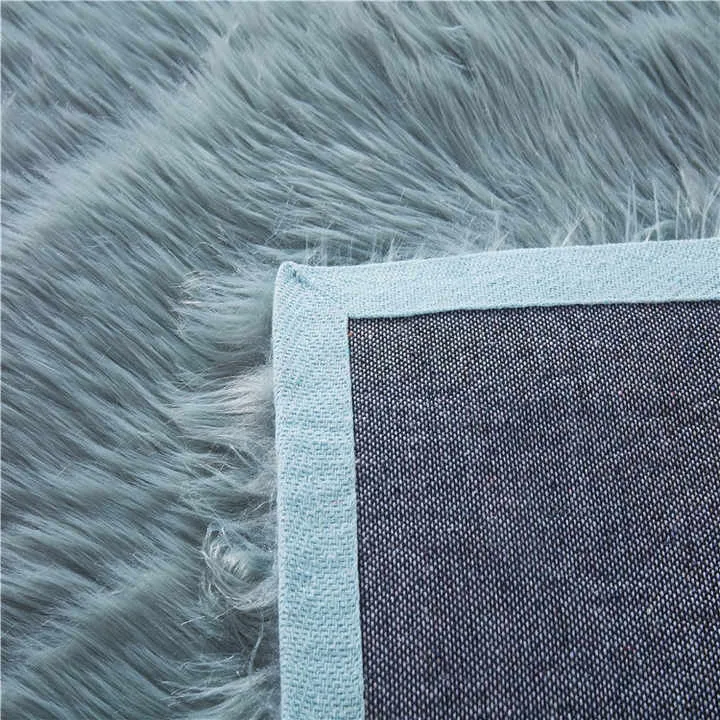
Synthetic sheepskin rugs, commonly referred to as “fake sheepskin rugs”, represent a significant segment of the floor covering and textile industry. These rugs are designed to mimic the aesthetic and tactile qualities of genuine sheepskin, offering a cost-effective, and often more ethically sourced alternative. The product’s position within the industry chain is primarily as a finished consumer good, but the manufacturing process relies heavily on polymer chemistry, textile engineering, and dyeing techniques. Core performance characteristics revolve around simulating the warmth, softness, and visual appeal of natural sheepskin, while also addressing concerns related to durability, cleanability, and hypoallergenic properties. Unlike natural sheepskin, synthetic versions do not require extensive animal husbandry or tanning processes, making them appealing to a broader consumer base. The increasing demand for animal-friendly and easily maintained home furnishings drives continued innovation in materials and manufacturing techniques for fake sheepskin rugs.
Material Science & Manufacturing
The predominant material in fake sheepskin rug production is synthetic fiber, most commonly acrylic and polyester, though polypropylene and modacrylic blends are also utilized. Acrylic fibers offer a similar feel and appearance to wool, with excellent bulk and softness. However, they possess lower abrasion resistance and a tendency to pill. Polyester, conversely, boasts superior durability and resilience, but can lack the inherent warmth of acrylic. The choice of fiber directly influences the rug’s performance and price point. Manufacturing begins with the production of these synthetic fibers through polymerization processes. Acrylic is typically produced via acrylonitrile polymerization, while polyester originates from ethylene glycol and terephthalic acid. These polymers are then spun into fibers using melt spinning or dry spinning techniques. The fibers are subsequently processed through carding and non-woven fabric formation techniques – typically needle-punching or thermal bonding – to create a base fabric resembling sheepskin. This base is then "flocked" or "tufted" with longer, denser fibers to replicate the woolly texture. The flocking process involves adhering fibers to an adhesive-coated substrate, while tufting involves inserting loops of fiber through the base fabric. Key parameter control during manufacturing involves maintaining consistent fiber denier (fineness), consistent adhesive application (for flocking), loop density (for tufting), and precise dyeing processes to achieve desired color and uniformity. Fiber orientation also plays a crucial role; a more randomized orientation provides a softer feel, while a more aligned orientation enhances durability. Chemical compatibility of dyes with the chosen polymer is also essential to prevent fading or discoloration.
Performance & Engineering
The performance of fake sheepskin rugs is assessed through several engineering parameters. Tensile strength, measured in Newtons (N) or pounds-force (lbf), dictates the rug’s resistance to tearing and abrasion. Pile height and density (measured in mm or inches and fibers/square inch, respectively) are critical for determining the rug's overall softness and warmth. Flammability is a significant concern, and synthetic rugs are typically treated with flame retardants to meet safety standards (discussed in the standards section). Environmental resistance focuses on the rug’s ability to withstand UV exposure, moisture, and temperature fluctuations. Prolonged UV exposure can cause fiber degradation and color fading. Moisture absorption, while generally low in synthetic fibers, needs to be considered for potential mold or mildew growth in humid environments. Force analysis during usage considers compression set – the degree to which the rug retains its shape after prolonged pressure – and its ability to resist matting. Compliance requirements, such as those related to VOC emissions (Volatile Organic Compounds), are becoming increasingly stringent to ensure indoor air quality. Functional implementation centers around the rug’s intended use. Rugs intended for high-traffic areas require greater abrasion resistance and a more robust backing material, while those designed for decorative purposes prioritize aesthetic appeal and softness. The backing material, often a non-slip latex or thermoplastic rubber (TPR), is critical for stability and safety, and its adhesion to the fiber base must be rigorously tested.
Technical Specifications
| Parameter | Acrylic Fiber Rug | Polyester Fiber Rug | Polypropylene Fiber Rug |
|---|---|---|---|
| Pile Height (mm) | 25-50 | 20-40 | 15-30 |
| Fiber Density (fibers/sq inch) | 800-1200 | 600-1000 | 500-800 |
| Tensile Strength (N/cm) | 8-12 | 15-20 | 10-15 |
| Water Absorption (%) | 1.5-3.0 | 0.5-1.0 | 0.1-0.5 |
| Flammability (Oxygen Index %) | 22-25 (with FR treatment) | 24-27 (with FR treatment) | 20-23 (with FR treatment) |
| VOC Emissions (µg/m³) | <50 (compliant standards) | <50 (compliant standards) | <50 (compliant standards) |
Failure Mode & Maintenance
Fake sheepskin rugs are susceptible to several failure modes. Pilling, the formation of small balls of fiber on the surface, is common with acrylic fibers due to their lower abrasion resistance. Fiber shedding can occur, particularly during initial use, as loosely bound fibers detach. Delamination, the separation of the pile from the backing, can result from inadequate adhesive bonding or repeated stress. Oxidation, primarily affecting polypropylene, can lead to embrittlement and discoloration over time, especially with exposure to UV light. Compression set can cause the rug to permanently lose its shape in areas of concentrated pressure. Maintenance is crucial to prolonging the rug’s lifespan. Regular vacuuming is essential to remove dust and debris. Spot cleaning with a mild detergent and water is recommended for spills. Avoid harsh chemicals or abrasive cleaners, as these can damage the fibers. For acrylic rugs, gentle brushing can help minimize pilling. Periodic rotation of the rug can distribute wear and prevent localized degradation. Deep cleaning, utilizing a carpet cleaning machine with appropriate settings, can restore pile loft and remove embedded dirt. Proper storage in a dry, well-ventilated area is essential to prevent mold or mildew growth. Professional cleaning may be required for extensive stains or discoloration.
Industry FAQ
Q: What is the primary difference in durability between acrylic and polyester fake sheepskin rugs?
A: Polyester generally exhibits superior durability and resilience compared to acrylic. Acrylic fibers, while softer, are more prone to pilling and abrasion damage. Polyester holds its shape better under stress and is less likely to shed fibers over time, making it preferable for high-traffic areas.
Q: How does UV exposure impact the longevity of these rugs?
A: Prolonged UV exposure can degrade the fibers, particularly polypropylene, leading to fading, embrittlement, and a reduction in overall strength. Acrylic is also susceptible to UV damage, though to a lesser extent. Placement away from direct sunlight or the use of UV-blocking window films can mitigate these effects.
Q: Are there any specific VOC emission standards these rugs should comply with?
A: Yes, rugs should comply with standards such as California Section 01350, which regulates VOC emissions from building materials, and similar standards in other regions like Greenguard Gold. These standards ensure that the rug doesn't off-gas harmful chemicals into the indoor environment.
Q: What role does the backing material play in preventing slippage and extending the rug's life?
A: The backing material provides crucial stability and prevents the rug from sliding. Latex and TPR are common choices. A high-quality backing ensures a strong bond with the pile, preventing delamination and enhancing the rug’s overall structural integrity. The backing’s resistance to wear and tear also contributes to longevity.
Q: What type of cleaning solutions should be avoided when cleaning a fake sheepskin rug?
A: Harsh chemicals, such as bleach, ammonia, and strong solvents, should be avoided as they can damage the synthetic fibers and cause discoloration. Abrasive cleaners can also disrupt the pile and reduce its softness. Mild detergent and water are the safest options for spot cleaning.
Conclusion
Fake sheepskin rugs represent a versatile and increasingly sophisticated segment of the textile industry. Their performance characteristics are fundamentally dictated by the polymer chemistry of the constituent fibers – acrylic, polyester, and polypropylene – and the meticulous control of manufacturing processes like fiber spinning, non-woven fabric formation, and tufting. Understanding the interplay between these factors is crucial for selecting a rug that meets specific application requirements, whether prioritizing softness, durability, or cost-effectiveness.
The future of fake sheepskin rug technology will likely involve advancements in fiber engineering, with a focus on developing more sustainable and environmentally friendly materials. Exploring bio-based polymers and improving fiber recycling processes will be key areas of innovation. Furthermore, enhanced flame retardant treatments and improved UV resistance technologies will contribute to safer and longer-lasting products. Continuous refinement of manufacturing techniques, coupled with stringent quality control, will ensure that synthetic sheepskin rugs continue to provide a compelling alternative to their natural counterparts.