


Fake sheepskin throw Technical Performance Analysis
Introduction
Fake sheepskin throw, also known as faux sheepskin, represents a synthetic alternative to genuine sheepskin, utilized extensively in home textiles. Its position within the textile supply chain is as a finished or semi-finished product, originating from petrochemical feedstocks and undergoing multiple processing stages. Core performance characteristics revolve around thermal insulation, tactile softness, and aesthetic appeal, all while offering a more cost-effective and ethically sourced solution compared to natural sheepskin. The increasing demand for animal-free products, coupled with advancements in microfiber technology, have driven the growth and sophistication of this market segment. Critical industry challenges center on balancing realistic aesthetics with durable performance, ensuring chemical safety of synthetic materials, and achieving effective cleaning and maintenance protocols for long-term product life. This guide provides an in-depth technical analysis of fake sheepskin throws, encompassing material science, manufacturing processes, performance attributes, failure modes, and relevant industry standards.
Material Science & Manufacturing
The primary raw material for fake sheepskin throw is typically a blend of polyester and polyacrylonitrile (PAN) microfibers. Polyester provides structural integrity and durability, while PAN contributes to the soft, wool-like texture. Polyester fibers exhibit a glass transition temperature (Tg) around 70-80°C, influencing their thermal behavior. PAN fibers have a lower Tg, around 30-40°C, enhancing softness but also reducing thermal stability. The manufacturing process commonly involves several key steps. First, the microfibers are produced via melt spinning, carefully controlling extrusion speed and cooling rates to achieve the desired fiber diameter (typically 1-3 denier). These fibers are then carded and nonwoven, utilizing mechanical entanglement or chemical bonding to create a web. A critical parameter is the web weight (grams per square meter – GSM), directly affecting the product's density and thermal performance. Next, the nonwoven fabric undergoes a napping process, employing abrasive rollers or brushes to raise the fibers, creating the characteristic ‘pile’ of sheepskin. Pile height and density are meticulously controlled to replicate the look and feel of natural wool. Finally, a backing material, often a suede-like polyester or cotton blend, is laminated to the pile fabric using adhesive bonding. Adhesive selection is crucial for ensuring long-term bond strength and resistance to delamination. The dyeing process, using disperse dyes for polyester and acid dyes for PAN, is typically performed before or after napping, impacting colorfastness and fiber integrity. Parameter control, particularly temperature and dye concentration, is vital for achieving consistent color and avoiding fiber damage.

Performance & Engineering
The performance of fake sheepskin throws is fundamentally governed by its thermal insulation capabilities, tactile characteristics, and mechanical properties. Thermal insulation (measured as R-value or clo value) is directly proportional to the pile height and density – a higher pile generally provides greater insulation. Air entrapment within the fiber structure is the primary mechanism of thermal resistance. Engineering analysis involves calculating heat transfer coefficients through the material, considering conduction, convection, and radiation. Tactile softness is assessed using subjective panel tests and objective measurements like bending rigidity and compression modulus. Lower values indicate greater softness. Mechanical properties, particularly tensile strength and tear strength, determine the product's durability and resistance to wear and tear. Force analysis under simulated use conditions (e.g., stretching, compression, abrasion) helps predict product lifespan. Environmental resistance is a crucial consideration. Exposure to UV radiation can cause fiber degradation, leading to discoloration and reduced strength. Testing for UV resistance (ASTM D4459) is essential. Similarly, resistance to water absorption is important; while generally hydrophobic, prolonged exposure to moisture can compromise the adhesive bond between the pile and backing. Compliance requirements vary by region, with flammability standards (e.g., California Proposition 65, European EN 71) being particularly stringent for textiles used in home furnishings. Functional implementation demands careful consideration of end-use applications; throws intended for high-traffic areas require greater abrasion resistance than those intended for decorative purposes.
Technical Specifications
| Parameter | Units | Typical Value (Low End) | Typical Value (High End) |
|---|---|---|---|
| Pile Height | mm | 20 | 60 |
| Pile Density | gsm | 150 | 400 |
| Fiber Composition (Polyester/PAN) | % | 60/40 | 80/20 |
| Tensile Strength (Warp) | N/5cm | 10 | 30 |
| Tensile Strength (Weft) | N/5cm | 10 | 30 |
| Thermal Resistance (R-value) | m²⋅K/W | 0.8 | 1.5 |
Failure Mode & Maintenance
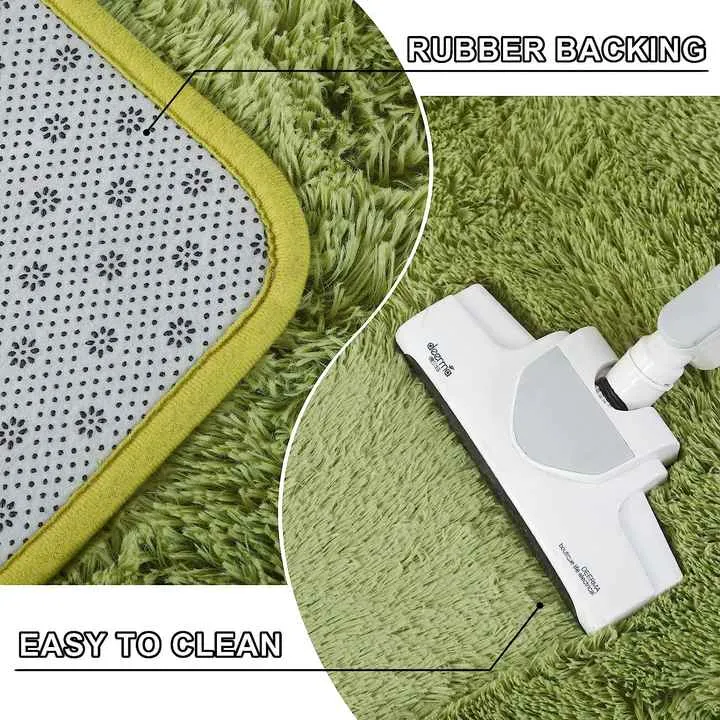
Fake sheepskin throws are susceptible to several failure modes. Delamination, the separation of the pile from the backing, is a common issue, often caused by adhesive failure due to moisture exposure or mechanical stress. Fiber shedding, particularly during initial use, is inherent to the manufacturing process but can be exacerbated by abrasion. Fatigue cracking of the fibers can occur under repeated bending or compression, reducing the product's structural integrity. Oxidation of the polyester fibers, induced by UV exposure, leads to discoloration and embrittlement. Matting of the pile, resulting in a flattened appearance, reduces thermal insulation and aesthetic appeal. Maintenance is crucial for prolonging product life. Regular vacuuming removes dust and debris, preventing fiber entanglement. Spot cleaning with mild detergent and water is recommended for stains; harsh chemicals can damage the fibers. Machine washing is generally discouraged, as it can cause significant fiber shedding and delamination. If machine washing is unavoidable, using a delicate cycle and cold water is essential. Tumble drying on low heat or air drying is preferred to prevent shrinkage and fiber damage. Professional cleaning may be necessary for heavily soiled throws. Addressing failure modes proactively, through proper maintenance and material selection, significantly extends the functional lifespan of the product.
Industry FAQ
Q: What is the impact of different fiber deniers on the final product’s softness and durability?
A: Lower denier fibers (e.g., 1 denier) generally result in a softer hand feel due to their increased surface area and finer structure. However, lower denier fibers are also inherently weaker and more prone to abrasion and tearing, potentially reducing the product’s overall durability. Balancing softness and durability requires careful selection of fiber denier and blend ratios. Utilizing higher denier fibers in the backing layer can enhance structural integrity without sacrificing surface softness.
Q: How does the adhesive type affect the long-term performance and washability of the throw?
A: Adhesive selection is critical. Polyurethane (PU) adhesives offer excellent bond strength and flexibility, providing good resistance to delamination even after repeated washing. However, PU adhesives can be sensitive to certain detergents. Hot melt adhesives are more cost-effective but generally exhibit lower bond strength and reduced washability. Acrylic adhesives provide a good balance of cost, performance, and wash resistance. The adhesive application method (e.g., spray, roll coating) also impacts bond uniformity and durability.
Q: What are the key differences between polyester and acrylic fibers in terms of UV resistance and colorfastness?
A: Polyester generally exhibits superior UV resistance compared to acrylic. Acrylic fibers are more susceptible to degradation from UV exposure, leading to fading and reduced strength. However, acrylic fibers often demonstrate better colorfastness to washing and light, particularly for bright or pastel shades. Adding UV stabilizers to the fiber formulation or applying a UV protective coating can significantly improve the UV resistance of both polyester and acrylic.
Q: Can fake sheepskin throws be treated with flame retardants, and what are the common methods used?
A: Yes, fake sheepskin throws can be treated with flame retardants. Common methods include topical application of flame retardant chemicals (e.g., phosphorus-based compounds) or incorporation of flame retardants into the fiber during the melt spinning process. The choice of flame retardant depends on the desired level of protection and compliance with relevant flammability standards. However, flame retardant treatments can sometimes affect the texture and hand feel of the product.
Q: What testing protocols are used to assess the abrasion resistance of the pile surface?
A: The most common testing protocols for assessing abrasion resistance include the Taber Abraser test (ASTM D4966) and the Martindale Abrasion test (ISO 12947-2). The Taber Abraser uses abrasive wheels to simulate wear, while the Martindale test utilizes a reciprocating abrasion head. These tests provide a quantitative measure of the pile’s resistance to wear and tear, expressed as cycles to failure or weight loss.
Conclusion
Fake sheepskin throws represent a sophisticated textile product engineered to mimic the aesthetic and tactile properties of natural sheepskin while offering advantages in cost, ethics, and ease of care. Understanding the underlying material science – particularly the interplay between polyester and polyacrylonitrile microfiber properties – is paramount to optimizing performance. Careful control of manufacturing parameters, including fiber denier, web weight, pile height, and adhesive bonding, directly impacts the product’s thermal insulation, durability, and resistance to delamination.
Future development will likely focus on improving UV resistance through advanced fiber coatings and incorporating bio-based polymers to enhance sustainability. Optimizing adhesive formulations for improved washability and long-term bond strength will also be a key area of innovation. The continued demand for animal-free alternatives ensures a robust future for the fake sheepskin throw market, driven by ongoing advancements in textile technology and a growing consumer awareness of ethical and environmental considerations.