

faux fur area rug 8x10 Performance Analysis

Introduction
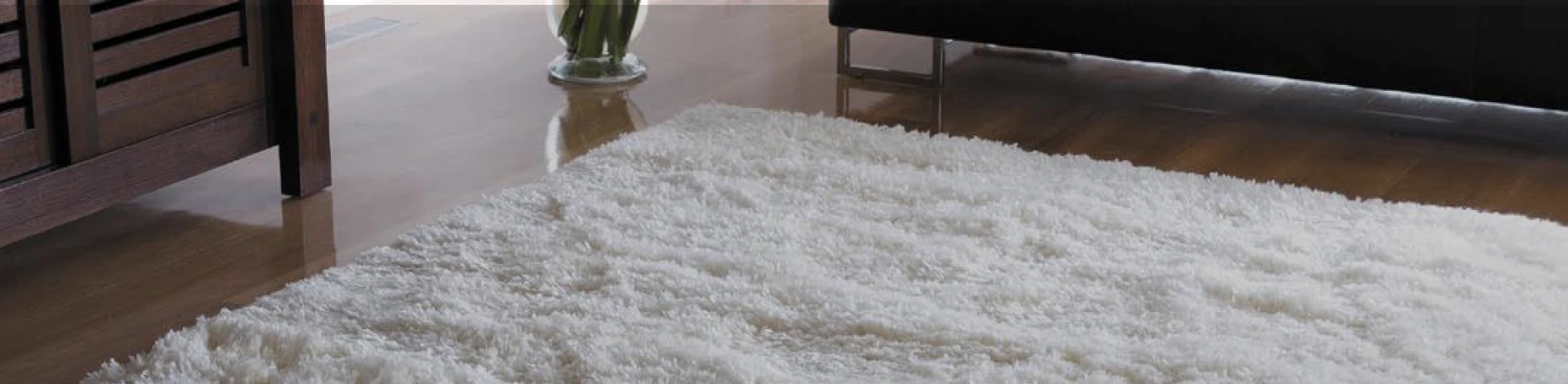
Faux fur area rugs, specifically the 8x10 size, represent a significant segment within the broader floor covering industry. Positioned as a synthetic alternative to genuine animal fur, they serve both aesthetic and functional purposes in residential and commercial settings. Technically, these rugs consist of a woven or non-woven backing material layered with a pile of synthetic fibers engineered to mimic the look and feel of natural fur. Their performance characteristics—softness, thermal insulation, and visual appeal—address a consumer demand for luxurious comfort without the ethical or cost concerns associated with real fur. This guide details the material science, manufacturing processes, performance analysis, potential failure modes, and maintenance protocols for 8x10 faux fur area rugs, outlining critical considerations for procurement, application, and longevity. The increasing prevalence of these rugs necessitates a detailed understanding of their composition and behavior to ensure product quality and customer satisfaction.
Material Science & Manufacturing
The core material of faux fur rugs is typically a synthetic polymer, most commonly polypropylene (PP) or acrylic (PMMA). Polypropylene is favored for its cost-effectiveness, resilience, and stain resistance, while acrylic offers a softer, more realistic texture, albeit with reduced durability. The backing material is often jute, polypropylene, or a blend of both. Jute provides a natural fiber component contributing to structural stability but is susceptible to moisture damage. Polypropylene backing is more durable and resistant to moisture. Manufacturing begins with the extrusion of the polymer into fibers, utilizing techniques like melt spinning or solution spinning to achieve desired denier and crimp. These fibers are then sheared to specific lengths, aiming to replicate the texture of animal fur. The pile construction employs several methods: tufting, where fibers are inserted into the backing; weaving, creating a more robust and intricate pile; and needle-punching, offering a cost-effective, non-woven solution. Parameter control is vital. Fiber denier directly impacts softness; crimp frequency influences bulk and texture; and backing density governs structural integrity. Dyeing occurs either before or after pile construction, using specialized dyes designed for synthetic fibers. Consistent dye penetration and colorfastness are crucial performance attributes. Post-processing involves shearing, brushing, and finishing treatments to enhance appearance and handle.
Performance & Engineering
The performance of a faux fur rug is evaluated across several key engineering parameters. Pile density (weight of fiber per unit area, typically measured in grams per square meter) dictates the rug's perceived luxury and insulation value. Higher pile density generally equates to greater softness and warmth. Tensile strength, both lengthwise and crosswise, determines the rug’s resistance to tearing and stretching under load. This is particularly important in high-traffic areas. Compression set, the permanent deformation after sustained pressure, impacts the rug's ability to regain its original shape. Low compression set is desirable to maintain aesthetic appeal and prevent flattening. Fire retardancy is a critical safety concern, assessed using standardized tests like the DOC FF 1-70 (pill test) and the California Technical Bulletin 117. Environmental resistance encompasses resistance to fading from UV exposure, degradation from ozone, and staining from common household liquids. Compliance requirements vary by region, with regulations governing VOC emissions (volatile organic compounds) and the presence of restricted substances like formaldehyde. Force analysis reveals the distribution of stress under foot traffic, identifying potential weak points in the backing material. Engineering considerations also extend to anti-slip backing options, utilizing latex or PVC coatings to prevent slippage and enhance safety.
Technical Specifications
| Parameter | Unit | Typical Value (Polypropylene) | Typical Value (Acrylic) |
|---|---|---|---|
| Pile Height | mm | 30-50 | 40-60 |
| Pile Density | g/m² | 800-1200 | 1000-1500 |
| Tensile Strength (Warp) | N/5cm | 150-250 | 120-200 |
| Tensile Strength (Weft) | N/5cm | 120-200 | 100-180 |
| Compression Set (24hr @ 50% compression) | % | <10 | <15 |
| Colorfastness to Light (AATCC 163) | Rating (1-5) | 4-5 | 3-4 |
Failure Mode & Maintenance
Faux fur rugs are susceptible to several failure modes. Pile shedding is a common occurrence, particularly during initial use, resulting from loose fibers detaching from the backing. This is exacerbated by abrasion from foot traffic and vacuuming. Matting, or pile compression, occurs in high-traffic areas, reducing the rug’s plushness and aesthetic appeal. This is often caused by repetitive loading and insufficient resilience of the fibers. Delamination, the separation of the pile from the backing, represents a more serious failure, stemming from adhesive breakdown or mechanical stress. Fiber degradation, particularly in acrylic rugs exposed to prolonged UV radiation, leads to discoloration, brittleness, and reduced tensile strength. Staining from spills, if not promptly addressed, can permanently discolor the fibers. Maintenance is crucial for extending rug life. Regular vacuuming (avoiding beater bars, which can damage the pile) removes loose dirt and debris. Spot cleaning with a mild detergent and water is recommended for spills. Professional cleaning, utilizing appropriate extraction methods, should be performed periodically. Avoiding direct sunlight and rotating the rug can minimize UV degradation and uneven wear. Promptly addressing any signs of delamination with adhesive repair can prevent further deterioration.
Industry FAQ
Q: What is the primary difference between polypropylene and acrylic faux fur, and how does it impact the price point?
A: Polypropylene is generally more durable and stain-resistant, making it suitable for high-traffic areas. It's also significantly less expensive to produce. Acrylic offers a softer, more luxurious feel that closely mimics real fur, but it's less resilient to wear and tear and prone to fading with UV exposure, resulting in a higher price point.
Q: How important is the backing material in determining the overall lifespan of the rug?
A: The backing is crucial. Jute backings are more eco-friendly but susceptible to moisture damage and disintegration. Polypropylene backings offer superior durability and moisture resistance, contributing to a longer lifespan, although they lack the natural fiber aesthetic. A robust backing prevents delamination and maintains the rug’s structural integrity.
Q: What fire retardancy standards should be considered when selecting a faux fur rug for commercial use?
A: For commercial applications, it’s essential to ensure the rug meets relevant fire safety standards, such as the California Technical Bulletin 117 (residential and commercial upholstery) and NFPA 701 (flame propagation of textiles and films). These standards dictate the rug’s resistance to ignition and flame spread.
Q: How does the pile height affect the comfort and maintenance requirements of the rug?
A: Higher pile heights generally offer greater comfort and a more luxurious feel but require more frequent and thorough vacuuming to prevent matting and dust accumulation. Lower pile heights are easier to maintain but may not provide the same level of plushness.
Q: What are the common causes of pile shedding, and is it a sign of a defective product?
A: Initial pile shedding is common in faux fur rugs as loose fibers break free. It’s generally not indicative of a defect, but excessive shedding after prolonged use could suggest low-quality fibers or a poorly constructed backing. Regular vacuuming can minimize shedding.
Conclusion
The 8x10 faux fur area rug represents a sophisticated blend of material science and manufacturing techniques designed to emulate the aesthetic and tactile qualities of natural fur while addressing ethical and cost considerations. Understanding the inherent properties of polymers like polypropylene and acrylic, alongside the critical role of backing materials and pile construction methods, is paramount for evaluating product performance and longevity. Careful consideration of parameters such as pile density, tensile strength, and fire retardancy, coupled with diligent maintenance practices, ensures optimal utilization and extends the lifespan of these increasingly popular floor coverings.
Future developments in faux fur technology are likely to focus on enhancing fiber durability, improving stain resistance, and incorporating sustainable materials. Advancements in tufting and weaving techniques may lead to even more realistic and luxurious textures. Moreover, the integration of antimicrobial treatments and enhanced UV protection will further broaden the application possibilities of these versatile rugs, establishing them as a mainstay in both residential and commercial interior design.