

faux fur area rug Performance Analysis
Introduction
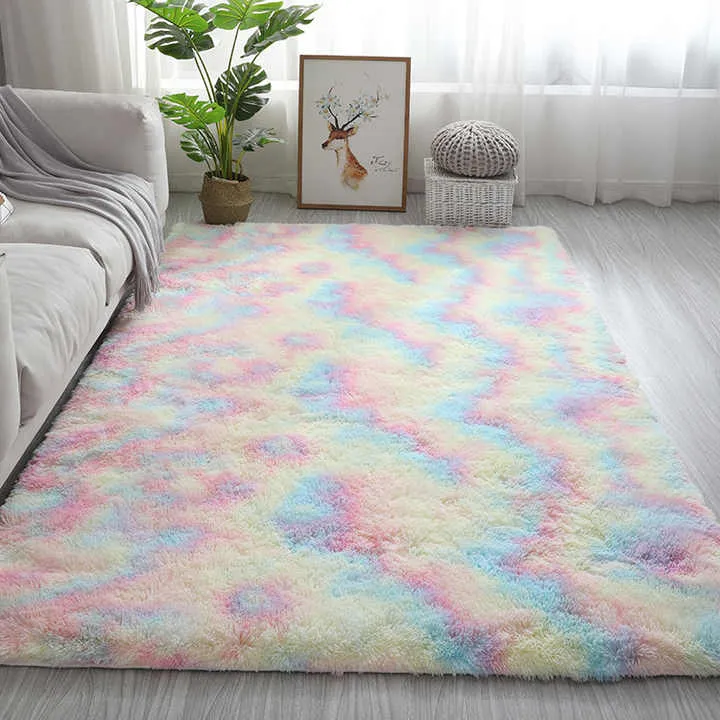
Faux fur area rugs represent a significant development in the floor covering industry, offering a cost-effective and ethically sourced alternative to genuine animal fur. Technically classified as pile textiles, these rugs are constructed utilizing synthetic fibers engineered to mimic the appearance and tactile sensation of natural fur. Their position within the supply chain extends from petrochemical production of fiber precursors (primarily acrylic and polyester) through fiber extrusion, yarn creation, weaving or knitting processes, dyeing and finishing, and finally, rug assembly. Core performance characteristics center on aesthetic appeal, perceived softness, thermal insulation, and durability under typical residential use. The increasing demand stems from consumer preferences for luxury textures without the associated animal welfare concerns and high material costs of authentic fur. A critical aspect of their performance is the resistance to shedding, staining, and degradation due to ultraviolet (UV) exposure, factors that significantly impact the lifecycle cost and perceived value of the product.
Material Science & Manufacturing
The foundation of faux fur area rugs lies in the polymer science of acrylic and polyester fibers, though polypropylene is increasingly utilized for lower-cost options. Acrylic fibers (typically Polyacrylonitrile) are favored for their resemblance to natural fur, exhibiting a crimped structure that traps air, providing a soft, warm texture. Their inherent properties include a relatively low modulus of elasticity, contributing to the plush feel, but also lower abrasion resistance compared to polyester. Polyester fibers, specifically those with modified cross-sections (e.g., trilobal or hollow), provide improved durability and resilience. The manufacturing process commences with the polymerization of monomers – acrylonitrile for acrylics, ethylene glycol and terephthalic acid for polyesters – followed by melt spinning to create continuous filaments. These filaments are then drawn (stretched) to align the polymer chains, increasing tensile strength and reducing elongation. A crucial step is texturing, which imparts the characteristic crimp and bulkiness mimicking fur. This can be achieved through various methods like air jet texturing or false-twist texturing. The backing material is typically jute, polypropylene, or a combination thereof, providing structural stability. The pile fibers are then tufted or woven into the backing, secured with latex adhesive. Parameter control is critical; fiber denier (fineness), pile height, pile density, and yarn twist all affect the final product’s hand feel, appearance, and durability. Dyeing is predominantly conducted using batch or continuous dyeing processes, utilizing disperse dyes for polyester and basic dyes for acrylic.

Performance & Engineering
Performance assessment of faux fur rugs necessitates analysis of several key engineering parameters. Pile compression resilience is vital, determining how well the rug recovers its shape after being subjected to foot traffic. This is measured using standardized tests involving repeated loading and unloading. Tensile strength, both in the warp and weft directions, dictates the rug’s resistance to tearing. Force analysis during simulated wear patterns helps predict the rug's lifespan. Environmental resistance is another critical factor. Exposure to UV radiation causes polymer chain scission, leading to color fading and embrittlement, primarily affecting acrylic fibers. Flammability is regulated by standards like California Technical Bulletin 117, requiring rugs to meet specific fire resistance criteria. Chemical resistance is important for stain protection; exposure to common household cleaning agents should not cause significant discoloration or fiber degradation. Compliance with VOC emission standards (Volatile Organic Compounds) is becoming increasingly stringent, necessitating the use of low-emission adhesives and dyes. Furthermore, the weight of the rug (mass per unit area, typically measured in g/m²) impacts its stability and ease of handling. The structural integrity relies on the interaction between the pile fibers, backing, and adhesive, which requires careful engineering to prevent delamination.
Technical Specifications
| Parameter | Acrylic Faux Fur | Polyester Faux Fur | Polypropylene Faux Fur |
|---|---|---|---|
| Fiber Denier (dtex) | 50-300 | 75-400 | 40-200 |
| Pile Height (mm) | 20-60 | 20-80 | 15-40 |
| Pile Density (stitches/m²) | 100,000-250,000 | 80,000-200,000 | 60,000-150,000 |
| Tensile Strength (N/50mm) | 8-15 | 12-25 | 6-10 |
| UV Resistance (Color Fade after 500 hours) | ΔE > 5 | ΔE < 3 | ΔE < 4 |
| Flammability (Pass/Fail - California TB 117) | Pass | Pass | Pass |
Failure Mode & Maintenance
Faux fur rugs are susceptible to several failure modes. Shedding, particularly during initial use, is common and results from loose fibers not firmly anchored during manufacturing. Prolonged wear leads to fiber fatigue, resulting in breakage and a reduction in pile density. Delamination, the separation of the pile from the backing, is a significant issue, often caused by adhesive failure due to temperature fluctuations or excessive moisture. Compression set – permanent deformation of the pile fibers – occurs under sustained loads, reducing the rug’s plushness. UV degradation, as previously mentioned, leads to discoloration and fiber embrittlement, most pronounced in acrylic fibers. Staining from spills and dirt can be problematic if not addressed promptly. Maintenance is critical for maximizing lifespan. Regular vacuuming (using a suction-only attachment to avoid snagging) removes loose dirt and debris. Spot cleaning with a mild detergent and water is recommended for spills. Professional cleaning is advisable every 12-18 months to remove deeply embedded dirt and restore pile loft. Avoid harsh chemicals and excessive heat, as these can damage the fibers and adhesive. Rotating the rug periodically minimizes uneven wear patterns. Preventing prolonged exposure to direct sunlight significantly slows down UV degradation.
Industry FAQ
Q: What is the primary difference between acrylic and polyester faux fur in terms of long-term durability?
A: Polyester faux fur generally exhibits superior abrasion resistance and UV stability compared to acrylic. While acrylic offers a softer, more luxurious feel initially, it is more prone to shedding, matting, and color fading over time, especially with prolonged sun exposure. Polyester fibers maintain their structural integrity and color vibrancy for a longer period, making them a more durable choice for high-traffic areas.
Q: How does the backing material impact the overall performance of the rug?
A: The backing provides structural support and prevents delamination. Jute backings are natural and breathable but can be susceptible to moisture damage and shrinkage. Polypropylene backings are more durable, water-resistant, and offer better dimensional stability. A combination of jute and polypropylene provides a balance of benefits, offering both strength and breathability.
Q: What are the implications of VOC emissions from faux fur rugs, and how are they regulated?
A: VOCs (Volatile Organic Compounds) can be emitted from adhesives, dyes, and finishing treatments used in rug manufacturing. These emissions can contribute to indoor air pollution and pose health risks. Regulations like California Section 01350 and similar standards globally limit the allowable VOC levels. Manufacturers are increasingly utilizing low-VOC adhesives and dyes to comply with these regulations.
Q: How can I assess the quality of the latex adhesive used in a faux fur rug?
A: Assessing adhesive quality directly is challenging without destructive testing. However, indicators of quality include the rug’s resistance to delamination, its ability to maintain its shape after compression, and the absence of a strong chemical odor. Reputable manufacturers will typically provide specifications regarding the adhesive’s tensile strength and shear strength.
Q: Is it possible to repair a faux fur rug that is experiencing significant shedding?
A: Minor shedding is normal, but significant shedding often indicates fiber damage or adhesive failure. While individual fibers cannot be re-anchored, localized re-tufting (where fibers are individually inserted into the backing) can be performed by a professional rug repair service. However, this is a costly procedure and may not be feasible for extensive shedding. Prevention through proper care (regular vacuuming, avoiding excessive abrasion) is the most effective strategy.
Conclusion
Faux fur area rugs represent a sophisticated intersection of polymer science, textile engineering, and consumer demand for ethical and aesthetically pleasing floor coverings. Their performance characteristics – encompassing durability, resilience, and environmental resistance – are directly dictated by the selection of raw materials (acrylic, polyester, polypropylene), the precision of manufacturing processes (fiber extrusion, texturing, tufting), and adherence to stringent quality control measures. A comprehensive understanding of potential failure modes, such as shedding, delamination, and UV degradation, is crucial for both manufacturers and consumers to ensure longevity and maximize value.
Looking ahead, advancements in fiber technology, including the development of bio-based synthetic fibers and improved UV stabilizers, will further enhance the performance and sustainability of faux fur rugs. The continued emphasis on low-VOC emissions and adherence to international safety standards will be paramount. Furthermore, innovations in backing materials and adhesive technologies will contribute to increased durability and reduced environmental impact, solidifying the position of faux fur as a viable and increasingly preferred alternative to natural fur in the global textile market.