

faux fur carpet Performance Analysis
Introduction
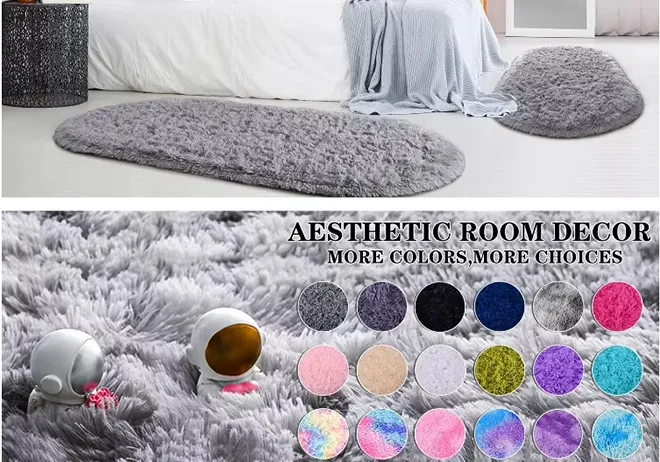
Faux fur carpet, also known as synthetic sheepskin carpet, represents a significant development in the flooring and textile industries. Positioned as a luxury alternative to genuine animal hides, it occupies a unique niche demanding both aesthetic appeal and durable performance characteristics. It differs from traditional pile carpets in its deliberate replication of fur texture, achieved through specialized fiber construction and tufting techniques. The core performance attributes of faux fur carpet center around its thermal insulation, soft tactile sensation, and visual resemblance to natural fur. This guide provides an in-depth technical overview of faux fur carpet, encompassing material science, manufacturing processes, performance metrics, potential failure modes, and relevant industry standards. Understanding these facets is crucial for procurement managers, flooring installers, and textile engineers seeking to optimize product selection, application, and long-term maintenance.
Material Science & Manufacturing
The foundational materials for faux fur carpet typically consist of a ground yarn, backing material, and adhesive. The ground yarn predominantly utilizes modacrylic, acrylic, or polyester fibers, each possessing distinct properties. Modacrylic fibers excel in flame retardancy and dyeability, rendering them ideal for applications prioritizing safety and vibrant coloration. Acrylic fibers offer a soft hand feel and excellent bulk, closely mimicking the texture of natural fur. Polyester fibers provide superior durability, resistance to abrasion, and cost-effectiveness. The backing materials generally comprise woven polypropylene, jute, or latex foam, chosen based on desired levels of structural integrity, cushioning, and cost. The manufacturing process begins with the extrusion of the chosen polymer into fine filaments. These filaments are then crimped to introduce bulk and texture, crucial for achieving the fur-like appearance. Subsequent tufting involves inserting these crimped fibers into the backing material using specialized needle-punching or weaving machinery. Density control (stitches per square inch) is paramount, directly impacting the carpet's pile height, density, and overall aesthetic. The adhesive used to secure the fibers to the backing must exhibit strong bonding properties, shear resistance, and compatibility with the chosen polymers. Critical parameters during manufacturing include polymer molecular weight (influencing fiber strength), denier (fiber thickness), crimp frequency (defining texture), and adhesive viscosity (affecting fiber retention). Quality control measures often involve tensile strength testing of the yarn, visual inspection for defects, and burn testing to verify flame retardancy compliance.
Performance & Engineering
The performance of faux fur carpet is governed by several key engineering principles. Thermal insulation is a primary attribute, directly related to the pile height and fiber density. Higher pile heights trap more air, creating a greater resistance to heat transfer. The carpet's resilience, or its ability to recover from compression, dictates its longevity and resistance to matting. This is assessed through standardized tests measuring pile recovery and compression set. From a force analysis perspective, the carpet’s resistance to tearing and abrasion is critical. These parameters are evaluated using tensile testing and Martindale abrasion tests, respectively. Environmental resistance factors heavily into performance; faux fur carpets are susceptible to degradation from UV exposure, moisture, and temperature fluctuations. UV stabilizers are often incorporated into the fiber formulation to mitigate photolytic degradation. Moisture resistance is dependent on the inherent hydrophobicity of the fiber and the presence of any applied water-repellent treatments. Compliance requirements vary by region, but typically include flammability standards (e.g., NFPA 701 in the US), VOC emission limits (e.g., CARB Section 01867), and lead content restrictions (e.g., CPSIA). Functional implementation considerations involve the carpet’s suitability for various applications, such as residential flooring, decorative throws, or automotive interiors. Each application demands specific performance characteristics tailored to the anticipated load, environmental conditions, and aesthetic requirements.
Technical Specifications
| Parameter | Typical Value (Modacrylic Fiber) | Typical Value (Acrylic Fiber) | Typical Value (Polyester Fiber) |
|---|---|---|---|
| Pile Height (mm) | 25-40 | 20-35 | 15-30 |
| Fiber Density (stitches/10cm) | 8-12 | 7-10 | 6-9 |
| Tensile Strength (N/tex) | 45-60 | 30-45 | 50-70 |
| Abrasion Resistance (cycles to wear) | 15,000-20,000 | 8,000-12,000 | 25,000-35,000 |
| Flammability (burning rate, mm/min) | Self-extinguishing | Slow burning (5-10) | Slow burning (8-12) |
| Water Absorption (%) | 1.5-2.5 | 2.0-3.0 | 0.5-1.5 |
Failure Mode & Maintenance
Faux fur carpets, while durable, are susceptible to several failure modes. Fatigue cracking can occur in high-traffic areas due to repeated compression and deformation of the fibers. Delamination, or separation of the pile from the backing, is often caused by adhesive failure resulting from exposure to moisture or temperature extremes. Degradation of the fibers themselves can occur from prolonged UV exposure, leading to discoloration and reduced tensile strength. Oxidation of the polymers can also result in brittleness and cracking. Matting, or the flattening of the pile, is a common aesthetic issue caused by sustained pressure and lack of proper maintenance. Maintenance protocols are critical for prolonging the carpet’s lifespan. Regular vacuuming is essential to remove loose debris and prevent fiber damage. Spot cleaning with mild detergent and water is recommended for localized stains. Avoid harsh chemicals and abrasive cleaning agents, as these can damage the fibers and accelerate degradation. Professional cleaning, using low-moisture extraction methods, should be performed periodically to remove embedded dirt and restore pile loft. For UV-exposed areas, consider rotating the carpet or using window treatments to minimize light exposure. Promptly address any delamination issues with re-adhesion using a compatible adhesive. Addressing these potential issues proactively will maximize the long-term performance and aesthetic appeal of the faux fur carpet.
Industry FAQ
Q: What is the primary difference between modacrylic and acrylic faux fur carpet in terms of durability?
A: Modacrylic fibers generally exhibit superior durability and resistance to pilling compared to acrylic fibers. While acrylic offers a softer hand feel, modacrylic possesses a higher tensile strength and better resilience, leading to a longer lifespan, particularly in high-traffic areas. However, acrylic is often more cost-effective.
Q: How does the backing material influence the overall performance and longevity of faux fur carpet?
A: The backing material provides structural support and contributes to the carpet’s overall stability. Woven polypropylene offers excellent dimensional stability and resistance to stretching, while jute is a more sustainable but less durable option. Latex foam provides cushioning but can be susceptible to degradation over time. The adhesive bond between the fibers and the backing is also critical; a weak bond will lead to delamination.
Q: What are the key considerations regarding flammability compliance for faux fur carpet intended for commercial use?
A: Commercial applications typically require adherence to stricter flammability standards, such as NFPA 701 in the United States. Modacrylic fibers are inherently flame retardant and often the preferred choice for commercial settings. Acrylic and polyester fibers may require the addition of flame-retardant treatments to meet compliance requirements.
Q: How can I prevent matting and maintain the plush appearance of faux fur carpet over time?
A: Regular vacuuming with a brush attachment is crucial to lift the pile and prevent matting. Avoid walking on the carpet with shoes, especially those with heels. Rotating the carpet periodically can distribute wear evenly. Professional low-moisture cleaning can also help restore pile loft.
Q: What is the impact of UV exposure on faux fur carpet, and how can it be mitigated?
A: Prolonged UV exposure can cause discoloration and degradation of the fibers, leading to brittleness and reduced tensile strength. Using UV stabilizers during the fiber manufacturing process can mitigate this effect. Minimizing direct sunlight exposure through window treatments or rotating the carpet can also help preserve its appearance and longevity.
Conclusion
Faux fur carpet represents a sophisticated flooring solution, offering a blend of aesthetic appeal, comfort, and performance. Its technical characteristics are intimately linked to the chosen materials – modacrylic, acrylic, or polyester – and the intricacies of the manufacturing process, particularly fiber crimping, tufting density, and adhesive bonding. Understanding these parameters is critical for selecting a product optimized for the intended application and anticipating long-term performance.
Future developments in faux fur carpet technology are likely to focus on enhancing durability, improving stain resistance, and incorporating sustainable materials. Increased use of bio-based polymers and recycled fibers will contribute to a reduced environmental footprint. Continued research into fiber modifications and adhesive technologies will further enhance the carpet’s resilience and longevity, solidifying its position as a premium flooring option.