


faux fur hide Performance Analysis
Introduction
Faux fur hide, also known as artificial fur or synthetic fur, represents a manufactured textile designed to mimic the appearance and tactile qualities of animal fur. Positioned within the broader textile industry, it serves as a direct substitute for natural fur in a wide array of applications including fashion apparel, home furnishings, automotive interiors, and specialized industrial uses. Unlike its animal-derived counterpart, faux fur is typically constructed from acrylic, modacrylic, or polyester fibers. Core performance characteristics center around aesthetic similarity to natural fur, durability, ease of care, hypoallergenic properties, and cost-effectiveness. A significant driver for its adoption is the growing ethical and environmental concerns surrounding the sourcing and processing of real fur, leading to increased demand for sustainable alternatives. The industry faces ongoing challenges in replicating the nuanced texture and drape of high-quality natural furs while maintaining affordability and production scalability.
Material Science & Manufacturing
The foundational materials for faux fur hide are predominantly acrylic, modacrylic, and polyester fibers, each possessing distinct physical and chemical properties. Acrylic fibers (typically 60-80% composition) provide a soft hand-feel and good bulk, but exhibit lower abrasion resistance compared to polyester. Modacrylic fibers (often blended at 20-40%) enhance flame retardancy and improve dyeability. Polyester fibers contribute to increased durability, resilience, and resistance to stretching and shrinking. The manufacturing process typically begins with fiber extrusion, where molten polymer is forced through spinnerets to form continuous filaments. These filaments undergo crimping and texturing to create the desired loft and curl mimicking the structure of natural fur. The textured fibers are then knitted or woven into a base fabric, usually a tricot or warp knit construction. Crucially, the pile formation process—where fibers are attached to the base fabric—is critical. This is achieved through techniques such as needle punching, where barbed needles interlock the fibers, or by cutting loops of yarn created during the knitting process. Parameter control during pile formation dictates pile height, density, and fiber orientation, directly influencing the visual and tactile properties of the final product. Dyeing and finishing treatments are applied to achieve the desired color, sheen, and hand-feel. Chemical compatibility of dyes and finishes with the base fiber is paramount to avoid degradation or discoloration. The manufacturing process is increasingly focusing on incorporating recycled materials and reducing water consumption.
Performance & Engineering
Performance characteristics of faux fur hide are heavily influenced by fiber type, construction, and pile density. Tensile strength, measured using ASTM D4157, determines resistance to tearing and stretching; values typically range from 20-50 N/cm depending on the fiber composition. Abrasion resistance, assessed via the Wyzenbeek method (ASTM D4157), indicates the fabric’s ability to withstand wear and tear – a critical parameter for upholstery applications. Environmental resistance, particularly to UV degradation, is a significant concern. Prolonged exposure to sunlight can cause color fading and fiber embrittlement. UV stabilizers are often incorporated during fiber extrusion or finishing to mitigate this effect. Flame retardancy is another vital performance aspect, with standards such as NFPA 701 governing applications in public spaces. Faux fur hides based on modacrylic or treated with flame-retardant chemicals exhibit superior fire resistance. Moisture management properties (moisture vapor transmission rate – MVTR, as per ASTM E96) are generally lower than natural fibers, requiring attention in applications where breathability is important. Furthermore, the weight per unit area (gsm) and pile height significantly impact thermal insulation properties – crucial for garments and bedding. Engineering considerations involve optimizing fiber blending ratios to balance performance attributes like durability, aesthetics, and cost. Dimensional stability – resistance to shrinkage or stretching after washing – is also a key factor, governed by fiber selection and finishing treatments.
Technical Specifications
| Parameter | Acrylic/Polyester Blend (Standard Grade) | Modacrylic/Polyester Blend (Flame Retardant) | High-Pile Polyester (Luxury Grade) | Unit |
|---|---|---|---|---|
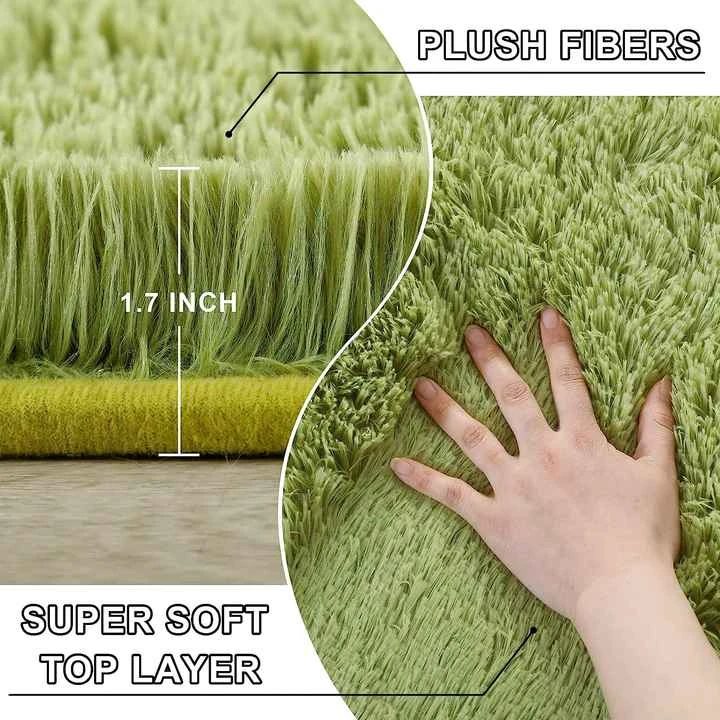
| Pile Height | 20-30 | 25-35 | 40-60 | mm |
| Pile Density | 800-1200 | 900-1300 | 1500-2000 | fibers/cm² |
| Basis Weight | 200-300 | 220-320 | 350-450 | gsm |
| Tensile Strength (Warp) | 30-40 | 25-35 | 40-50 | N/cm |
| Tensile Strength (Weft) | 25-35 | 20-30 | 35-45 | N/cm |
| Abrasion Resistance (Wyzenbeek) | 500-800 | 400-600 | 800-1200 | cycles |
Failure Mode & Maintenance
Faux fur hide, while durable, is susceptible to several failure modes. Matting and fiber collapse occur due to repeated compression and friction, leading to a loss of pile loft and aesthetic appeal. This is exacerbated by low pile density and poor fiber crimp. Fiber shedding is common, particularly during initial use and with abrasive contact. This is more pronounced in lower-quality materials with loosely anchored fibers. UV degradation, as previously mentioned, causes color fading and fiber embrittlement, resulting in a brittle texture and potential tearing. Hydrolytic degradation, particularly in polyester-based faux furs exposed to prolonged moisture and elevated temperatures, leads to chain scission and a reduction in tensile strength. Furthermore, certain dyes and finishes can migrate or bleed during washing, causing discoloration. Maintenance recommendations include regular vacuuming with a soft brush attachment to remove dust and debris. Spot cleaning with mild detergent and water is advisable for localized stains. Machine washing should be performed on a delicate cycle with cold water and a gentle detergent, followed by air drying or tumble drying on a low heat setting. Avoiding harsh chemicals, bleach, and excessive heat is crucial to prolong the lifespan of the faux fur. Professional cleaning may be necessary for heavily soiled or delicate items. Preventative measures include storing faux fur items in a cool, dry place away from direct sunlight and protecting them from excessive abrasion.
Industry FAQ
Q: What is the primary difference in performance between acrylic and polyester faux fur hides regarding abrasion resistance and durability?
A: Polyester faux fur generally exhibits superior abrasion resistance and durability compared to acrylic. Polyester fibers possess higher tensile strength and resistance to pilling, making them better suited for high-traffic applications like upholstery or garments subject to frequent wear. Acrylic, while softer to the touch, is more prone to wear and tear and may show signs of degradation sooner.
Q: How does the pile density influence the thermal insulation properties of faux fur?
A: Pile density directly correlates with thermal insulation. A higher pile density creates more air pockets within the fur structure, trapping air and reducing convective heat loss. This results in a warmer, more insulating material. Conversely, lower pile density offers less insulation and is better suited for applications where breathability is prioritized.
Q: What flame retardancy standards are typically met by faux fur hides intended for use in commercial environments?
A: Faux fur hides intended for commercial applications, particularly in public spaces, commonly need to meet standards like NFPA 701 (Standard Methods of Fire Tests for Flame Propagation of Textiles and Films) and California Technical Bulletin 117 (Flammability of Seating for Use in Public Buildings). Modacrylic blends or treatments with flame-retardant finishes are frequently employed to achieve compliance.
Q: What are the implications of hydrolytic degradation in polyester faux fur, and how can it be mitigated?
A: Hydrolytic degradation occurs when polyester fibers are exposed to prolonged moisture and elevated temperatures, causing the polymer chains to break down, leading to reduced strength and potential fiber failure. Mitigation strategies include minimizing exposure to moisture, avoiding high-temperature washing or drying, and utilizing polyester fibers with enhanced hydrolytic stability.
Q: What is the role of fiber crimp in achieving a realistic fur-like texture and drape?
A: Fiber crimp is crucial for replicating the natural wave and curl found in animal fur. The crimp creates bulk and loft, contributing to the soft hand-feel and visual texture. A higher degree of crimp generally results in a more realistic appearance and a better drape, allowing the fabric to flow and move more naturally.
Conclusion
Faux fur hide represents a sophisticated textile solution that effectively bridges the gap between aesthetic appeal, ethical sourcing, and functional performance. Its manufacturing relies on precise control of fiber properties, textile construction, and finishing treatments to replicate the characteristics of natural fur while addressing concerns surrounding animal welfare and environmental impact. Understanding the interplay between material science, performance metrics (tensile strength, abrasion resistance, UV stability), and potential failure modes is crucial for selecting the appropriate faux fur grade for specific applications.
Looking ahead, innovation in faux fur technology will likely focus on enhancing realism through advanced fiber engineering and pile formation techniques, improving sustainability through the use of recycled materials and biodegradable polymers, and developing novel finishes that enhance durability and resistance to environmental factors. As demand for ethical and sustainable alternatives to natural fur continues to grow, faux fur hide will maintain its position as a vital material within the textile industry.