

faux fur mat Performance Analysis
Introduction
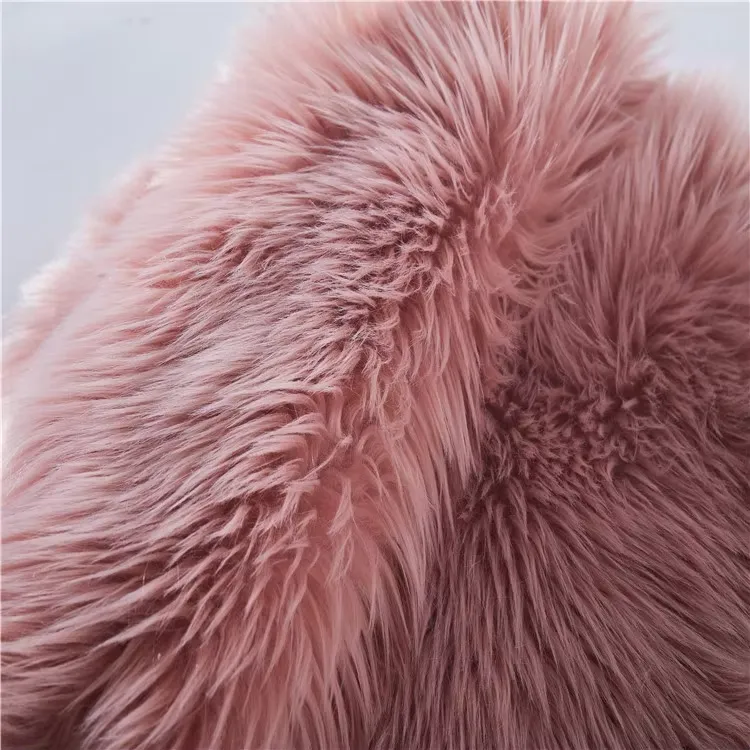
Faux fur mats represent a significant segment within the broader floor covering industry, offering aesthetic and tactile benefits as an alternative to natural animal hides. Technically classified as pile textiles, these mats consist of a backing material with synthetic fibers – typically acrylic, modacrylic, or polyester – mechanically attached to emulate the appearance and feel of animal fur. Their function extends beyond purely decorative applications to encompass thermal insulation, sound dampening, and localized comfort in residential, commercial, and increasingly, industrial settings. The core performance characteristics, including fiber density, pile height, and backing stability, dictate a faux fur mat’s durability, resilience, and suitability for specific environments. This guide provides an in-depth technical analysis of faux fur mat construction, performance, failure modes, and relevant industry standards.
Material Science & Manufacturing
The core material of faux fur mats is the synthetic fiber used to create the pile. Acrylic fibers (polyacrylonitrile) are common due to their relatively low cost and good aesthetic resemblance to natural fur, exhibiting a crimp and bulk that aids in mimicking fur texture. However, acrylics possess lower abrasion resistance and are prone to pilling. Modacrylic fibers, copolymers of acrylonitrile and methyl acrylate, improve flame retardancy and resistance to static electricity, offering enhanced safety features. Polyester (polyethylene terephthalate, PET) fibers offer superior durability, resilience, and colorfastness, but can lack the softness of acrylic. The backing materials typically consist of polypropylene (PP) or polyethylene (PE) fabrics, chosen for their low cost and water resistance. Latex or polyurethane foam is frequently applied to the backing to provide cushioning and prevent delamination. Manufacturing processes involve several key steps: fiber extrusion, crimping and texturing, pile weaving or knitting, dyeing and finishing, and backing application. Pile height is controlled by loop settings during knitting or weaving. Dyeing utilizes reactive dyes for acrylic and disperse dyes for polyester, ensuring color fixation and washfastness. Parameter control during extrusion is critical; variations in denier (fiber thickness) and crimp frequency impact the final product's texture and hand feel. Backing adhesion strength is assessed using peel tests according to ASTM D7767. Fiber content analysis is conducted via Fourier-transform infrared spectroscopy (FTIR).

Performance & Engineering
The performance of faux fur mats is critically dependent on their ability to withstand mechanical stress, environmental factors, and maintain their aesthetic properties. Compression set, a measure of permanent deformation under sustained load, is a key engineering parameter. Higher compression set indicates reduced cushioning and potential structural failure. Testing is performed per ASTM D3574. Tensile strength, measured using ASTM D4157, defines the mat's resistance to tearing and ripping. Abrasion resistance, determined via the Wyzenbeek method (ASTM D4157), indicates the mat’s durability under foot traffic. Flammability is a crucial safety concern. Faux fur mats are typically tested according to the pill test (16 CFR Part 1610) and the surface flammability test (ASTM E84). Environmental resistance encompasses UV stability, assessed via accelerated weathering tests (ASTM G154), and resistance to moisture and mildew. Water absorption is quantified using ASTM D570, and mildew resistance is assessed by exposing samples to a controlled humid environment. Force analysis under load reveals stress distribution within the pile and backing layers. Finite element analysis (FEA) can model these stresses to optimize backing material selection and pile density for specific load-bearing applications. Compliance requirements vary by region; for example, California Proposition 65 restricts the levels of certain chemicals, including formaldehyde, in consumer products.
Technical Specifications
| Parameter | Unit | Typical Range (Acrylic Pile) | Typical Range (Polyester Pile) |
|---|---|---|---|
| Pile Height | mm | 20-50 | 20-60 |
| Pile Density | g/m² | 200-800 | 300-1200 |
| Backing Material | - | Polypropylene (PP) | Polypropylene (PP) or Polyethylene (PE) |
| Tensile Strength (Pile) | N/50mm | 5-15 | 10-25 |
| Abrasion Resistance (Cycles to Wear) | Cycles | 500-1500 | 1000-3000 |
| Compression Set (24 hrs @ 50% Compression) | % | 10-25 | 5-15 |
Failure Mode & Maintenance
Faux fur mats are susceptible to several failure modes. Pilling, the formation of small fiber balls on the surface, is common with acrylic fibers due to their lower abrasion resistance. Delamination, the separation of the pile from the backing, occurs when the adhesive bond weakens due to moisture exposure or mechanical stress. Oxidation of acrylic fibers can lead to discoloration and brittleness over time, especially with prolonged UV exposure. Crushing of the pile, resulting in a loss of loft and cushioning, occurs under sustained compression. Wear and tear from foot traffic leads to fiber breakage and a reduction in pile density. Maintenance strategies include regular vacuuming to remove debris and prevent matting. Spot cleaning with mild detergent and water is recommended for spills. Avoid harsh chemicals or abrasive cleaners, which can damage the fibers. Professional cleaning may be necessary for deep-seated dirt or stains. To mitigate delamination, avoid prolonged exposure to moisture. Rotating the mat periodically can distribute wear evenly and prolong its lifespan. Failure analysis often involves microscopic examination of fiber structure and adhesive bonds to identify the root cause of the failure.
Industry FAQ
Q: What is the primary difference between acrylic and polyester faux fur in terms of lifespan and UV resistance?
A: Polyester faux fur generally exhibits significantly longer lifespan and superior UV resistance compared to acrylic. Acrylic fibers are more susceptible to degradation from sunlight, leading to discoloration and reduced structural integrity. Polyester fibers are inherently more durable and retain their color and texture better over prolonged UV exposure. Therefore, polyester is preferred for outdoor applications or areas with high levels of sunlight.
Q: How does the backing material influence the overall stability and performance of the faux fur mat?
A: The backing material is crucial for providing structural support and preventing delamination. Polypropylene (PP) backings offer good water resistance and are cost-effective. However, they may have lower tear strength. Polyethylene (PE) backings can provide better tear resistance but are less resistant to certain solvents. The adhesive used to bond the pile to the backing is equally important; polyurethane-based adhesives generally offer superior adhesion and flexibility compared to latex-based adhesives.
Q: What flammability standards are typically applied to faux fur mats, and what testing methods are used?
A: Faux fur mats are generally subject to flammability testing to ensure they meet safety regulations. The most common standard is 16 CFR Part 1610 (Standard for Flammability of Carpets and Rugs). Testing involves the pill test, which assesses the surface flammability, and the radiant panel test, which measures the flame spread rate. ASTM E84 (Surface Burning Characteristics of Building Materials) is also frequently used, providing data on flame spread and smoke development.
Q: What is the impact of pile density on the comfort and durability of a faux fur mat?
A: Higher pile density generally translates to increased comfort and improved durability. A denser pile provides greater cushioning and a softer feel underfoot. It also distributes weight more evenly, reducing wear and tear on individual fibers. However, excessively high pile density can make the mat stiffer and less pliable. The optimal pile density depends on the intended application and desired balance between comfort and durability.
Q: How can I prevent pilling on my acrylic faux fur mat?
A: Pilling is a common occurrence with acrylic fibers. Regular vacuuming with a brush attachment can help remove loose pills and prevent them from matting. Avoid excessive friction or abrasion. Using a fabric shaver can carefully remove existing pills without damaging the underlying fibers. Choosing a higher-quality acrylic fiber with longer staple length can also reduce the propensity for pilling.
Conclusion
Faux fur mats represent a versatile flooring solution, balancing aesthetic appeal with practical functionality. Their performance characteristics, from tensile strength and abrasion resistance to flammability and UV stability, are dictated by the selection of materials – primarily synthetic fibers and backing substrates – and the precision of the manufacturing process. Understanding the potential failure modes, such as pilling, delamination, and oxidation, is crucial for implementing effective maintenance strategies and extending the product’s lifespan.
The future of faux fur mat technology lies in the development of more sustainable materials, improved manufacturing techniques, and enhanced performance characteristics. Research into bio-based polymers as alternatives to traditional petrochemical-derived fibers could reduce environmental impact. Advancements in adhesive technology will contribute to stronger and more durable bonding between the pile and backing. Continued innovation will ensure faux fur mats remain a competitive and desirable option within the broader floor covering market.