


faux fur rug 8x10 Performance Analysis

Introduction
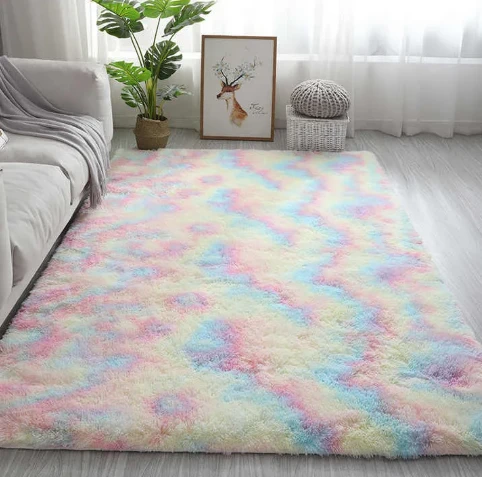
Faux fur rugs, particularly the 8x10 size, represent a significant segment within the broader floor covering industry. Positioned as an alternative to genuine animal fur, these rugs are primarily utilized for aesthetic purposes, offering a luxurious and comfortable texture without the ethical concerns and high cost associated with natural fur. The manufacturing process leverages advancements in synthetic fiber technology, primarily utilizing acrylic and polyester blends to mimic the look and feel of animal pelts. Core performance characteristics center around pile density, fiber length, and overall durability, impacting both visual appeal and longevity. The 8x10 dimension is a standard size catering to common living room and bedroom layouts, maximizing coverage and creating a defined space. This guide provides a comprehensive technical overview of faux fur rugs, covering material science, manufacturing processes, performance parameters, failure modes, and relevant industry standards.
Material Science & Manufacturing
The foundation of a faux fur rug 8x10 lies in the synthetic fibers used to create the pile. The predominant materials are acrylic and polyester, with variations utilizing polypropylene or modacrylic blends. Acrylic fibers (polyacrylonitrile) offer a softer, more wool-like feel, exhibiting excellent bulk and drape. However, acrylic typically possesses lower abrasion resistance and a greater propensity for shedding compared to polyester. Polyester fibers, conversely, boast superior durability, resilience, and resistance to crushing, making them suitable for high-traffic areas. The choice between acrylic and polyester, or a blend thereof, dictates the overall texture, durability, and price point of the rug.
Manufacturing commences with the production of these synthetic fibers via polymerization. These fibers are then processed into yarn through extrusion and spinning. The yarn is subsequently tufted into a primary backing material, commonly polypropylene or jute. Tufting density (stitches per square inch) is a critical parameter controlling pile density and overall rug thickness. Following tufting, a layer of adhesive latex is applied to secure the yarn to the backing, preventing fiber loss. A secondary backing, often felt or foam rubber, is then laminated to the primary backing, providing cushioning and structural integrity. Finally, shearing and brushing processes refine the pile height and create the desired aesthetic appearance. Quality control at each stage focuses on fiber uniformity, tufting consistency, adhesive adhesion, and overall dimensional stability. Parameters such as yarn denier, twist factor, and dye lot consistency are rigorously monitored to ensure product uniformity and performance.
Performance & Engineering
The performance of a faux fur rug 8x10 is evaluated based on several key engineering characteristics. Pile compression resistance is paramount, determining the rug’s ability to recover its shape after being subjected to foot traffic or furniture weight. This is directly linked to the fiber type, yarn denier, and tufting density. Tensile strength of the backing material is also critical, resisting tearing and delamination under stress. Flammability is a significant safety concern, with regulations dictating acceptable burn rates and smoke emission levels. Most faux fur rugs undergo flame retardant treatments to meet these standards. Abrasion resistance, measured via methods like the Wyzenbeek test, indicates the rug’s ability to withstand wear and tear. Colorfastness to light and washing is assessed to prevent fading and bleeding. Static build-up is another performance consideration, particularly in dry climates; anti-static treatments are often applied. Furthermore, environmental resistance – specifically, resistance to mold and mildew – is important for preventing degradation, especially in humid environments. The 8x10 size necessitates sufficient structural support within the backing to prevent sagging or distortion over time.
Technical Specifications
| Parameter | Unit | Typical Value (Acrylic Pile) | Typical Value (Polyester Pile) |
|---|---|---|---|
| Pile Height | mm | 50-65 | 38-50 |
| Pile Density | oz/sq yd | 1200-1800 | 1000-1500 |
| Fiber Denier | dtex | 15-30 | 75-150 |
| Backing Material | - | Polypropylene/Jute | Polypropylene |
| Tensile Strength (Backing) | N/mm | 20-30 | 25-35 |
| Flammability (Burn Rate) | sec | <8 (with treatment) | <8 (with treatment) |
Failure Mode & Maintenance
Faux fur rugs 8x10 are susceptible to several failure modes. Fiber shedding is a common occurrence, particularly with acrylic piles, due to loose fibers becoming dislodged through abrasion. Matting and crushing of the pile can occur in high-traffic areas, reducing the rug’s aesthetic appeal and comfort. Delamination of the backing layers is a more serious failure, often initiated by adhesive breakdown due to moisture exposure or prolonged stress. Oxidation of the fibers, primarily in acrylic rugs exposed to prolonged UV radiation, can lead to discoloration and brittleness. Staining from spills is another prevalent issue, requiring prompt attention to prevent permanent damage. Growth of mold and mildew can occur in humid environments if the rug is not properly ventilated.
Preventative maintenance includes regular vacuuming to remove loose dirt and debris, minimizing abrasive wear. Promptly addressing spills with appropriate cleaning solutions is crucial. Rotating the rug periodically distributes wear evenly. Avoiding direct sunlight exposure can prevent fiber oxidation. Professional cleaning is recommended annually to remove embedded dirt and restore pile loft. For minor staining, a diluted solution of mild detergent and water can be used, followed by thorough rinsing. In cases of significant delamination or fiber damage, professional rug repair services are advisable.
Industry FAQ
Q: What is the difference between acrylic and polyester faux fur in terms of lifespan?
A: Polyester faux fur generally exhibits a longer lifespan than acrylic due to its superior abrasion resistance and resilience. Acrylic fibers are more prone to shedding and matting, leading to a noticeable decline in appearance over time. While acrylic offers a softer feel initially, polyester maintains its texture and structural integrity for a more extended period.
Q: How does the tufting density affect the price of the rug?
A: Higher tufting density translates to a denser, more luxurious pile, requiring significantly more yarn and labor during manufacturing. Consequently, rugs with higher tufting densities command a higher price point. Density directly correlates with perceived quality and durability.
Q: Are faux fur rugs suitable for individuals with allergies?
A: Generally, yes. Faux fur rugs do not harbor allergens like dust mites or pet dander in the same way that natural fur or wool rugs do. However, the synthetic fibers themselves can occasionally trigger sensitivities in highly sensitive individuals. Regular vacuuming and cleaning are essential to minimize dust accumulation.
Q: What fire safety certifications should I look for when purchasing a faux fur rug?
A: Ensure the rug meets relevant flammability standards, such as those established by the California Bureau of Home Furnishings and Thermal Insulation (Cal 117) or similar regulations in your region. Look for labels indicating compliance with these standards, confirming the rug has undergone flame retardant treatment.
Q: Can faux fur rugs be used in high-moisture environments like bathrooms?
A: While some faux fur rugs are treated with moisture-resistant coatings, prolonged exposure to high humidity or direct water contact is not recommended. Moisture can promote mold and mildew growth, compromise the adhesive bond, and damage the fibers. Use a rug pad with a moisture barrier if placement in a bathroom is unavoidable, and ensure thorough drying after any spills or exposure to humidity.
Conclusion
Faux fur rugs, specifically the 8x10 size, represent a technologically advanced alternative to natural fur, offering a balance of aesthetics, comfort, and affordability. The performance and durability of these rugs are intrinsically linked to the material science of the synthetic fibers utilized—primarily acrylic and polyester—and the precision of the manufacturing processes. Understanding parameters like pile density, tufting consistency, and backing strength is crucial for assessing product quality and anticipating long-term performance.
Continued innovation in fiber technology and manufacturing techniques will likely lead to even more durable, realistic, and sustainable faux fur rug options. Emphasis on environmentally friendly materials and production processes, along with improved resistance to wear, staining, and UV degradation, will further enhance the value proposition of these products. Proper maintenance, including regular cleaning and preventative measures, is essential for maximizing the lifespan and aesthetic appeal of a faux fur rug.