

faux fur rugs for living room Performance Analysis

Introduction
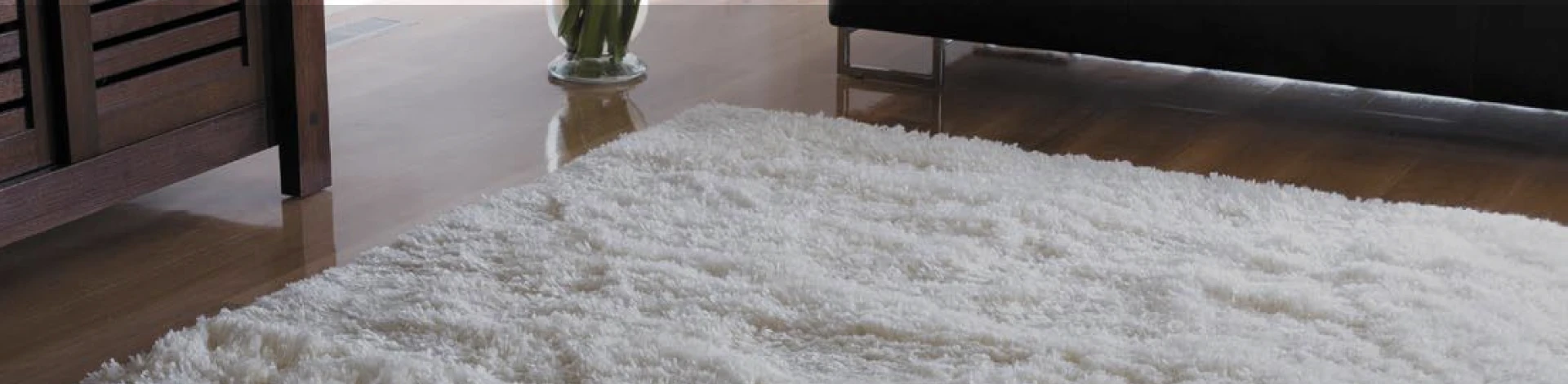
Faux fur rugs for living rooms represent a significant segment of the broader floor covering market, positioned as an accessible and ethically sourced alternative to genuine animal fur. Their technical position lies within the realm of textile engineering, specifically focusing on pile construction and synthetic fiber technology. These rugs are not merely decorative elements; they are engineered products designed to provide thermal insulation, acoustic dampening, and a tactile experience that simulates natural fur. Core performance characteristics include pile density, fiber composition, backing material durability, and resistance to wear, shedding, and staining. A key industry pain point is achieving a realistic aesthetic and soft hand-feel while maintaining acceptable levels of durability and cost-effectiveness. Further complicating matters is the increasing demand for eco-friendly materials and manufacturing processes within the home furnishings sector.
Material Science & Manufacturing
The primary raw material for faux fur rugs is typically a synthetic polymer, most commonly polypropylene (PP) or polyester (PET). Polypropylene is favored for its cost-effectiveness, inherent stain resistance, and relatively low density. Polyester, while slightly more expensive, offers superior softness, dyeability, and resilience. The manufacturing process begins with the extrusion of these polymers into fine filaments. These filaments are then subjected to texturing processes – crimping, curling, or kinking – to create the desired bulk and three-dimensional structure resembling animal fur. This textured fiber is subsequently cut to specific pile lengths. The pile construction method is crucial. Two primary methods are used: cut pile, where the fibers are cut to create a dense, uniform surface, and loop pile, where the fibers are left intact in loops, offering greater durability. The pile is then embedded into a backing material. Common backing materials include jute, polypropylene, or latex. Jute provides a natural, breathable backing but is susceptible to moisture damage. Polypropylene and latex offer superior moisture resistance and dimensional stability. Parameter control is critical throughout this process. Fiber denier (thickness), pile density (weight per unit area, typically measured in grams per square meter - gsm), and backing adhesion strength are all closely monitored to ensure consistent quality and performance. Dyeing occurs either before or after the pile construction, using specialized dyes that adhere effectively to the synthetic fibers. Post-dyeing treatments may include softening agents to enhance the tactile feel and anti-static treatments to reduce dust attraction.
Performance & Engineering
The performance of faux fur rugs is assessed across several key engineering parameters. Compressive strength is vital; the rug must withstand foot traffic and furniture weight without significant deformation. This is directly related to pile density and backing material stiffness. Tensile strength, measuring the resistance to tearing, is particularly important along the edges of the rug. Abrasion resistance, tested using methods like the Taber abrasion test, determines the rug’s ability to withstand surface wear. Flammability is a critical safety concern, and faux fur rugs must meet relevant flammability standards (see standards section). Moisture absorption is generally low for polypropylene and polyester-based rugs, contributing to stain resistance. However, backing materials can absorb moisture, potentially leading to mold growth if exposed to prolonged dampness. Colorfastness, measured by exposure to light and washing, determines the rug’s resistance to fading. Acoustic performance is another important consideration; the dense pile structure effectively absorbs sound, reducing noise levels in a living room environment. Thermal insulation is also significant, with faux fur rugs providing a noticeable increase in underfoot warmth. Force analysis reveals that the pile fibers distribute load, minimizing pressure points and enhancing comfort. Environmental resistance requires consideration of UV exposure (leading to potential color fading) and chemical resistance to common household cleaning agents.
Technical Specifications
| Parameter | Polypropylene (PP) Faux Fur | Polyester (PET) Faux Fur | Jute Backing |
|---|---|---|---|
| Pile Material | 100% Polypropylene | 100% Polyester | N/A |
| Pile Density (gsm) | 800-1200 | 1000-1500 | N/A |
| Pile Height (mm) | 20-40 | 25-50 | N/A |
| Backing Material | Polypropylene/Latex | Polypropylene/Latex | Jute |
| Tensile Strength (N/5cm) | 150-250 | 200-300 | 80-120 |
| Abrasion Resistance (cycles) | 5,000-10,000 | 8,000-15,000 | 2,000-5,000 |
Failure Mode & Maintenance
Faux fur rugs are susceptible to several failure modes. Shedding is a common issue, particularly with lower-quality rugs, resulting from fiber breakage and loose pile attachment. Pile crushing occurs under sustained pressure, reducing the rug’s thickness and softness. Delamination, the separation of the pile from the backing, is a more severe failure, often caused by inadequate adhesive bonding or exposure to moisture. Matting occurs when fibers become tangled and flattened, diminishing the aesthetic appeal. Oxidation, particularly in polypropylene fibers exposed to prolonged UV radiation, can lead to color fading and embrittlement. Staining, while generally resistant, can occur with oil-based or strongly pigmented substances. Maintenance is crucial for extending the lifespan of a faux fur rug. Regular vacuuming (using a brush attachment to avoid damaging the fibers) removes dust and debris. Spot cleaning with a mild detergent and water is recommended for spills. Avoid harsh chemicals or abrasive cleaners. Professional cleaning is advisable for deep cleaning and stain removal. To prevent pile crushing, rotate the rug periodically and avoid placing heavy furniture directly on the pile for extended periods. Storing the rug in a cool, dry place when not in use protects against moisture damage and oxidation.
Industry FAQ
Q: What is the primary difference between polypropylene and polyester faux fur in terms of longevity?
A: Polyester generally exhibits superior longevity compared to polypropylene. While polypropylene is more cost-effective, polyester possesses inherently better resilience, abrasion resistance, and resistance to UV degradation. This translates to a rug that maintains its pile height, color, and structural integrity for a longer period under typical use conditions.
Q: How does the backing material impact the overall performance and lifespan of the rug?
A: The backing material plays a crucial role. Jute, while breathable, is vulnerable to moisture damage and lacks dimensional stability. Polypropylene and latex backings provide superior moisture resistance and adhesion strength, preventing delamination and maintaining the rug's shape. A higher-quality backing material significantly extends the rug's lifespan.
Q: What are the key considerations for stain resistance in faux fur rugs?
A: Both polypropylene and polyester are inherently stain-resistant, especially to water-based spills. However, oil-based stains can be more challenging to remove. Applying a stain protectant treatment can enhance resistance. Prompt cleaning is crucial; the longer a stain remains, the more difficult it becomes to remove.
Q: What flammability standards are typically applied to faux fur rugs?
A: Faux fur rugs are generally required to meet flammability standards such as ASTM D326 and California Proposition 65 (for formaldehyde emissions). These standards specify limits on flame spread and smoke development to ensure consumer safety. Compliance is essential for retail sale.
Q: How does pile density (gsm) correlate with the rug's performance and price?
A: Pile density (gsm) is a strong indicator of rug quality and performance. Higher gsm values generally correlate with a denser, softer, and more durable rug. A higher gsm also implies a greater amount of fiber used in construction, thus typically resulting in a higher price point.
Conclusion
Faux fur rugs for living rooms represent a sophisticated blend of textile engineering and aesthetic design. The selection of appropriate materials – polypropylene or polyester fibers combined with robust backing options – is critical for achieving desired performance characteristics, including durability, stain resistance, and comfort. Understanding the manufacturing processes, particularly pile construction techniques and parameter control, is paramount for ensuring consistent product quality.
The long-term viability of faux fur rugs relies on continued innovation in sustainable materials and manufacturing processes. Addressing the failure modes – shedding, pile crushing, and delamination – through improved fiber bonding and backing technologies will enhance product lifespan and reduce environmental impact. Adherence to relevant safety standards, such as flammability regulations, remains a non-negotiable aspect of product development and market acceptance.