

faux fur rugs Performance Analysis
Introduction
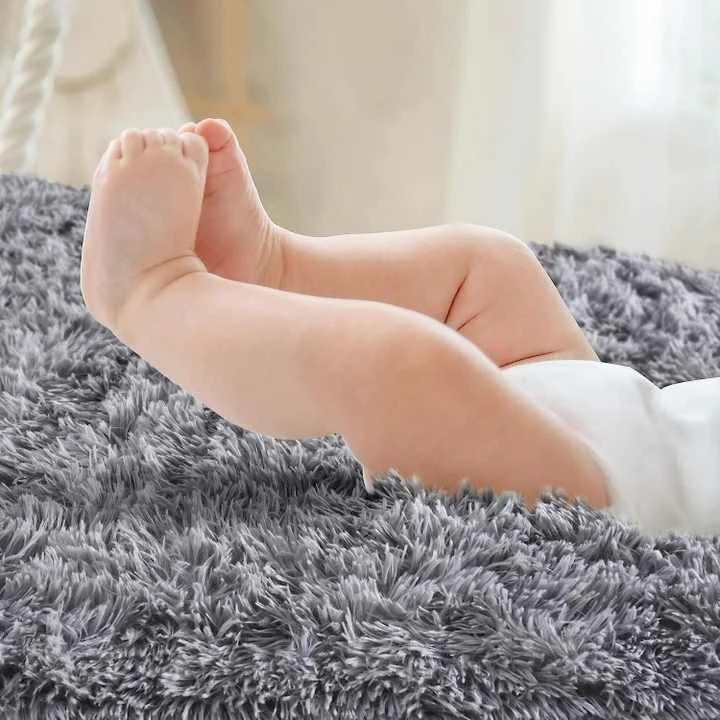
Faux fur rugs represent a significant segment within the broader floor covering industry, functioning as both decorative and comfort-enhancing elements in residential and commercial spaces. Unlike traditional animal-hide rugs, faux fur is manufactured utilizing synthetic fibers designed to mimic the appearance and texture of animal fur. Technologically, these rugs reside at the intersection of textile engineering, polymer chemistry, and coating technologies. Their primary performance characteristic revolves around thermal insulation, aesthetic appeal, and perceived luxury, offering a cruelty-free alternative to genuine fur. The increasing demand for sustainable and ethically sourced products has positioned faux fur rugs as a key growth area, driving innovation in fiber composition and manufacturing processes. A core industry pain point is balancing cost-effectiveness with achieving a realistic fur-like texture and durability that withstands prolonged foot traffic and cleaning cycles. This guide provides a comprehensive technical overview of faux fur rug construction, performance characteristics, failure modes, and relevant industry standards.
Material Science & Manufacturing
The foundational material for faux fur rugs is typically a synthetic polymer, most commonly polypropylene (PP) or polyester (PET). Polypropylene offers superior resilience, stain resistance, and is generally more cost-effective. Polyester, on the other hand, provides a softer hand-feel and better color retention. The manufacturing process begins with the production of these polymer fibers via melt spinning or solution spinning. These fibers are then cut to specific lengths, often mimicking the staple length of natural fur. The core manufacturing process involves a specialized knitting or weaving technique. ‘Wefting’ creates the backing structure, typically a robust jute or polypropylene fabric to provide dimensional stability. Subsequently, the cut fibers are ‘tufted’ or ‘flocked’ into the backing material. Tufting involves inserting loops of fiber through the backing, which can be left looped or shear-cut to create a pile. Flocking uses an electrostatic charge to adhere fibers to an adhesive-coated backing. A critical parameter is the pile height (the length of the fibers), ranging from short-pile shags to long-pile, luxurious textures. Density, measured in ounces per square yard or grams per square meter, influences the perceived quality and durability. Post-tufting or flocking, a latex or polyurethane coating is applied to secure the fibers and provide further dimensional stability. Finally, a secondary backing material, such as felt or non-woven fabric, is often laminated to the rug for enhanced cushioning and protection of the primary backing. Chemical compatibility of dyes and backing adhesives with the chosen polymer is vital to prevent color bleed or delamination.
Performance & Engineering
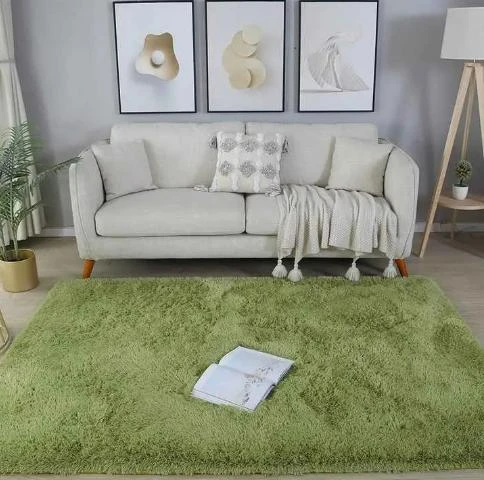
The performance of faux fur rugs is defined by several key engineering properties. Thermal Resistance (R-value) is a critical parameter, influenced by pile height and fiber density; higher values indicate greater insulation. Compressive strength, the ability to withstand sustained weight without permanent deformation, is dependent on the backing material and fiber type. Abrasion resistance, measured using methods like the Wyzenbeek test, determines the rug’s ability to withstand wear and tear from foot traffic. Colorfastness to light and washing is crucial to prevent fading or color transfer. The rug’s flammability is regulated by standards (discussed in the footer) and relies on flame-retardant treatments applied to the fibers and backing. Static electricity buildup is a common issue with synthetic fibers, requiring the incorporation of anti-static treatments. From a force analysis perspective, the rug experiences both static loads (weight of furniture, occupants) and dynamic loads (foot traffic). The backing material must distribute these loads evenly to prevent premature wear or fiber displacement. Environmental resistance includes resistance to moisture, UV degradation (particularly for outdoor use), and microbial growth. Compliance requirements often dictate the use of low-VOC (Volatile Organic Compound) adhesives and dyes to meet indoor air quality standards. The structural integrity of the tufting or flocking process directly affects the rug’s long-term durability and resistance to shedding.
Technical Specifications
| Parameter | Polypropylene (PP) | Polyester (PET) | Acrylic | Typical Range |
|---|---|---|---|---|
| Fiber Denier (grams/9000m) | 2.0 - 5.0 | 2.0 - 7.0 | 1.5 - 3.0 | 1.5 - 7.0 |
| Pile Height (mm) | 20 - 60 | 20 - 80 | 15 - 40 | 15 - 80 |
| Pile Density (g/m²) | 800 - 2000 | 1000 - 2500 | 600 - 1500 | 600 - 2500 |
| Backing Material | Jute/PP Composite | Jute/PP Composite | Latex/Felt | Jute, Polypropylene, Latex, Felt |
| R-Value (Thermal Resistance) | 0.8 - 1.2 | 0.9 - 1.5 | 0.7 - 1.0 | 0.7 - 1.5 |
| Abrasion Resistance (Wyzenbeek cycles) | 5,000 - 15,000 | 8,000 - 20,000 | 3,000 - 8,000 | 3,000 - 20,000 |
Failure Mode & Maintenance
Faux fur rugs are susceptible to several failure modes. Fiber shedding is a common issue, particularly during initial use, stemming from loosely anchored fibers. Pile crush, the permanent flattening of fibers, occurs due to sustained pressure and foot traffic. Delamination, the separation of the pile from the backing, is often caused by adhesive failure or deterioration of the backing material. UV degradation, specifically for rugs exposed to sunlight, leads to color fading and fiber brittleness. Matting, the loss of pile definition and a flattened appearance, results from repeated compression and friction. Stain penetration is a concern, particularly with oil-based stains, and depends on the fiber’s inherent stain resistance. Maintenance involves regular vacuuming with a suction-only attachment to remove loose debris and prevent matting. Spot cleaning with a mild detergent solution is recommended for spills; aggressive cleaning agents can damage the fibers. Professional cleaning, using a low-moisture extraction method, is advised for thorough cleaning. Avoid excessive exposure to direct sunlight to minimize UV degradation. To mitigate delamination, avoid dragging heavy objects across the rug and consider using rug pads to distribute weight. Regular rotation of the rug can help equalize wear and prevent localized pile crush.
Industry FAQ
Q: What is the primary difference in durability between polypropylene and polyester faux fur rugs?
A: Polypropylene generally exhibits superior abrasion resistance and resilience compared to polyester. This translates to better performance in high-traffic areas and a longer lifespan under consistent use. Polyester, however, tends to offer a softer texture and better color retention, making it preferable for rugs where comfort and aesthetics are prioritized over extreme durability.
Q: How does pile height affect the performance characteristics of a faux fur rug?
A: Pile height significantly impacts several performance characteristics. Higher pile heights generally provide greater thermal insulation and a more luxurious feel, but they are also more susceptible to matting and may require more frequent cleaning. Lower pile heights are more durable and easier to maintain, but offer less cushioning and insulation.
Q: What are the common causes of delamination in faux fur rugs, and how can it be prevented?
A: Delamination is typically caused by adhesive failure between the pile fibers and the backing material, often exacerbated by moisture or physical stress. Prevention involves selecting high-quality adhesives during manufacturing, avoiding excessive moisture exposure, and using rug pads to distribute weight and reduce stress on the backing.
Q: Are faux fur rugs inherently flame resistant? If not, what treatments are typically applied?
A: Faux fur rugs, being synthetic, are typically not inherently flame resistant. Flame-retardant treatments, often based on halogenated or phosphorus-based compounds, are applied to both the fibers and the backing material to meet flammability standards. The effectiveness of these treatments can diminish over time with cleaning.
Q: What role do rug pads play in extending the lifespan and improving the performance of faux fur rugs?
A: Rug pads serve multiple crucial functions. They provide cushioning, preventing premature pile crush and enhancing comfort. They also prevent slippage, improving safety. Most importantly, they distribute weight evenly, reducing stress on the rug backing and minimizing the risk of delamination. Choosing the appropriate pad material (felt, rubber, or combined materials) is essential based on the rug’s weight and the floor surface.
Conclusion
Faux fur rugs represent a sophisticated intersection of materials science, manufacturing technology, and design considerations. Their performance characteristics—thermal insulation, aesthetic appeal, and durability—are directly governed by the selection of polymer fibers (polypropylene, polyester, acrylic), the intricacies of the tufting or flocking process, and the properties of the backing materials. Understanding the potential failure modes – shedding, pile crush, delamination, and UV degradation – is paramount for both manufacturers and consumers to optimize product lifespan and maintain aesthetic quality.
Looking forward, innovations in bio-based polymers and sustainable manufacturing processes will likely become increasingly important in the faux fur rug industry. Further research into advanced adhesive technologies and fiber treatments will focus on enhancing durability, stain resistance, and flame retardancy while minimizing environmental impact. Continued development of testing methodologies and standardization efforts will be crucial for ensuring consistent product quality and meeting evolving consumer expectations.