

faux fur rugs sale Performance Analysis
Introduction
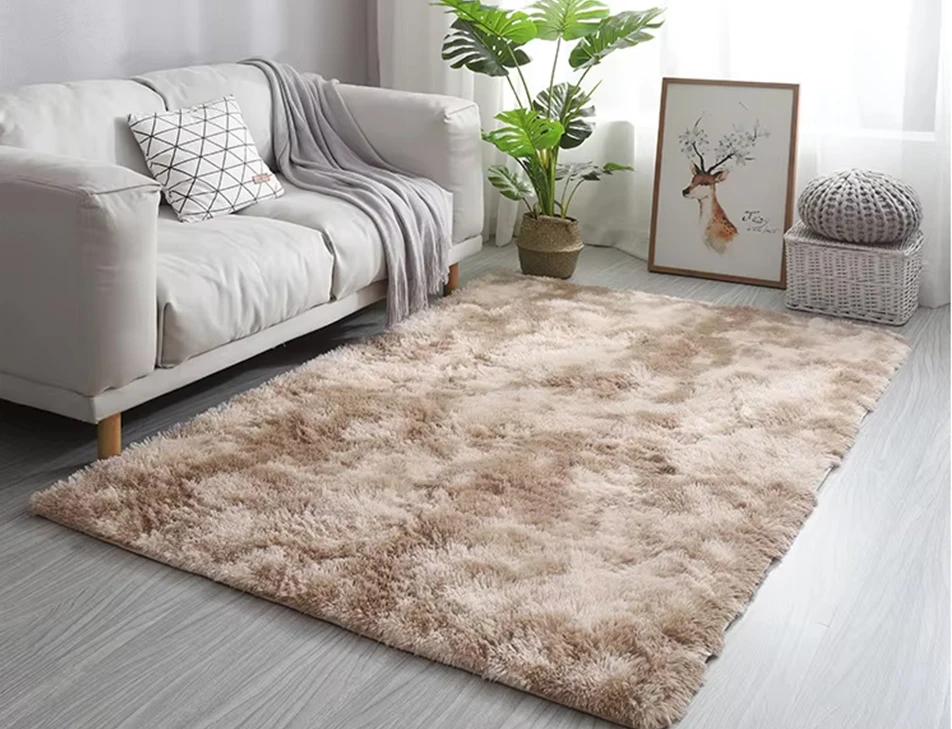
Faux fur rugs represent a significant segment within the broader floor covering industry, offering an aesthetic alternative to genuine animal fur. Their market position is defined by a confluence of factors including affordability, ethical considerations related to animal welfare, and advancements in fiber technology that mimic the texture and appearance of natural fur. Technically, these rugs consist of a pile layer composed of synthetic fibers attached to a backing material, generally jute, polypropylene, or latex. Core performance characteristics include pile height, density, fiber type (typically acrylic, polyester, or modacrylic), and resistance to shedding, crushing, and staining. The industry currently faces challenges related to sustainability – specifically microplastic shedding during washing – and consumer demand for increasingly realistic and luxurious textures. Understanding the nuances of material composition, manufacturing processes, and performance metrics is crucial for both manufacturers and end-users seeking durable, aesthetically pleasing, and responsible flooring solutions.
Material Science & Manufacturing
The production of faux fur rugs begins with the selection of synthetic fibers, predominantly acrylic, polyester, and modacrylic. Acrylic fibers (polyacrylonitrile) are favored for their wool-like feel and relatively low cost, although they exhibit lower abrasion resistance and a propensity for pilling. Polyester offers superior durability and resilience, resisting crushing and maintaining its shape, but can feel less soft. Modacrylic blends combine the benefits of both, offering a balance of softness, durability, and flame retardancy. The manufacturing process typically involves several stages: fiber extrusion, yarn formation, tufting, and finishing. Fiber extrusion dictates the denier (fineness) and cross-sectional shape of the fibers, crucial for achieving desired texture and bulk. Yarn formation involves twisting and plying the fibers to create a continuous strand. Tufting, the primary method for creating the pile, involves inserting the yarn into a backing material using needles. Pile height, density, and tufting gauge are meticulously controlled. The backing material provides structural integrity and prevents unraveling; jute is common for natural feel and biodegradability, while polypropylene and latex offer enhanced durability and water resistance. Finishing processes include brushing, shearing, dyeing, and applying anti-shedding treatments. Critical parameters include dye uptake uniformity, fiber crimp consistency, and adhesive bond strength between the pile and the backing. Quality control at each stage is vital to ensure consistent product performance and aesthetic appeal.
Performance & Engineering
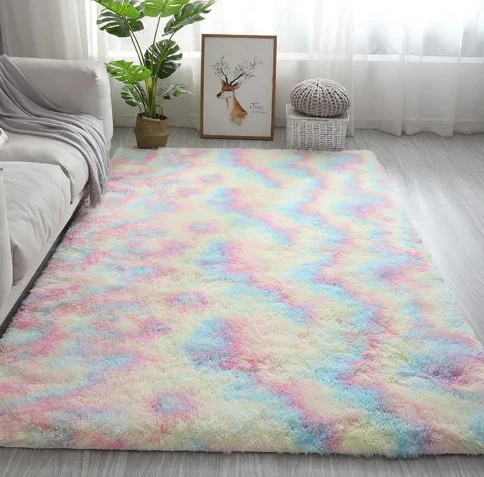
The performance of faux fur rugs is governed by several engineering principles. Pile density, measured in ounces per square yard, directly correlates to the rug’s perceived luxury and resistance to crushing. Higher density piles provide greater resilience and maintain their appearance under foot traffic. Fiber tensile strength, typically assessed through ASTM D2256, determines the rug’s ability to withstand stress and abrasion. The backing material's tensile strength and elongation characteristics (ASTM D4157) are equally important, influencing dimensional stability and resistance to tearing. Environmental resistance is another key consideration. Exposure to UV radiation can cause fiber degradation and color fading; UV stabilizers are incorporated during the fiber extrusion process to mitigate this. Moisture absorption can lead to mold and mildew growth, particularly with jute backings; therefore, water-resistant treatments are often applied. Flammability is addressed through the use of flame-retardant finishes, tested according to standards like ASTM E84. The rug’s overall performance is also impacted by its interaction with furniture – point loading from furniture legs can cause permanent compression and matting. Force analysis, utilizing techniques like finite element analysis (FEA), can be employed to optimize pile height, density, and backing construction to minimize these effects and ensure long-term durability and aesthetic appeal. Compliance with regulations like Proposition 65 in California, regarding phthalates and other potentially harmful substances, is paramount.
Technical Specifications
| Parameter | Acrylic Fiber | Polyester Fiber | Modacrylic Fiber | Jute Backing |
|---|---|---|---|---|
| Tensile Strength (MPa) | 40-60 | 60-80 | 50-70 | 80-120 |
| Elongation at Break (%) | 20-30 | 15-25 | 25-35 | 10-15 |
| Pile Height (mm) | 20-50 | 20-50 | 20-50 | N/A |
| Pile Density (oz/yd²) | 800-1200 | 1000-1500 | 900-1300 | N/A |
| Water Absorption (%) | 10-15 | 1-3 | 5-10 | 50-60 |
| UV Resistance (Rating 1-5, 5=Excellent) | 2 | 3 | 3 | 1 |
Failure Mode & Maintenance
Faux fur rugs are susceptible to several failure modes. Shedding, particularly in acrylic rugs, is a common issue resulting from fiber breakage during use. Pilling occurs as loose fibers tangle and form small balls on the surface. Crushing, caused by prolonged pressure from furniture or foot traffic, results in a flattened pile and loss of resilience. Degradation from UV exposure leads to fading and embrittlement of the fibers. Delamination, separation of the pile from the backing, is a critical failure mode often stemming from inadequate adhesive bonding or excessive moisture. Microplastic shedding during washing poses a significant environmental concern, contributing to plastic pollution in waterways. Maintenance is crucial for extending the rug’s lifespan. Regular vacuuming with a suction-only cleaner (avoiding beater bars) removes loose debris and minimizes shedding. Spot cleaning with a mild detergent and water addresses spills promptly. Professional cleaning is recommended annually to deep clean the fibers and restore pile loft. Avoiding direct sunlight and excessive moisture prolongs the rug’s aesthetic appeal and structural integrity. For rugs with jute backing, minimizing exposure to dampness is particularly important to prevent mold growth. Regular rotation of the rug distributes wear and tear evenly, mitigating crushing and maintaining a consistent appearance.
Industry FAQ
Q: What is the primary difference between acrylic and polyester faux fur rugs in terms of durability?
A: Polyester generally exhibits superior durability compared to acrylic. While acrylic offers a softer feel, polyester fibers possess higher tensile strength and abrasion resistance, resulting in a rug that is less prone to pilling, crushing, and fiber breakage. This translates to a longer lifespan, particularly in high-traffic areas.
Q: How can I minimize microplastic shedding from my faux fur rug during washing?
A: Microplastic shedding is a significant concern. Using a laundry bag specifically designed to capture microfibers is a crucial first step. Washing the rug on a gentle cycle with cold water and a liquid detergent (powder detergents can be more abrasive) helps reduce shedding. Air drying is preferable to machine drying, as the heat from the dryer can exacerbate fiber breakdown. Consider washing the rug as infrequently as possible.
Q: What backing material provides the best moisture resistance?
A: Polypropylene backing offers the best moisture resistance. Unlike jute, which readily absorbs water and is susceptible to mold growth, polypropylene is inherently hydrophobic. Latex backings offer some moisture resistance, but are not as effective as polypropylene. Choosing a rug with a polypropylene backing is particularly important in areas prone to spills or humidity.
Q: How does pile height affect the rug’s performance and comfort?
A: Pile height significantly influences both performance and comfort. Higher pile heights (e.g., 50mm) generally provide a more luxurious and plush feel underfoot but are more susceptible to crushing and may require more frequent maintenance. Lower pile heights (e.g., 20mm) are more resilient and easier to clean but offer less cushioning.
Q: Are there any industry standards for flammability testing of faux fur rugs?
A: Yes, flammability is a critical safety concern. ASTM E84 is a widely used standard for evaluating surface burning characteristics. This test measures flame spread and smoke development. Compliance with this standard, and potentially other regional standards, is essential for ensuring product safety.
Conclusion
Faux fur rugs, while offering a compelling aesthetic and ethical alternative to natural fur, present a complex interplay of material science, manufacturing processes, and performance considerations. The selection of appropriate fibers – acrylic, polyester, or modacrylic – and backing materials – jute, polypropylene, or latex – dictates the rug’s durability, resilience, and environmental impact. Understanding these parameters, along with relevant performance metrics such as tensile strength, pile density, and UV resistance, is critical for informed decision-making.
The future of faux fur rug technology lies in developing more sustainable materials and manufacturing processes. Addressing the issue of microplastic shedding is paramount, requiring innovation in fiber composition and washing techniques. Further research into bio-based and biodegradable synthetic fibers will also be essential for minimizing the environmental footprint of these products. Ultimately, a holistic approach that considers both performance and sustainability will drive the evolution of the faux fur rug industry.