

faux fur runner Performance Analysis
Introduction
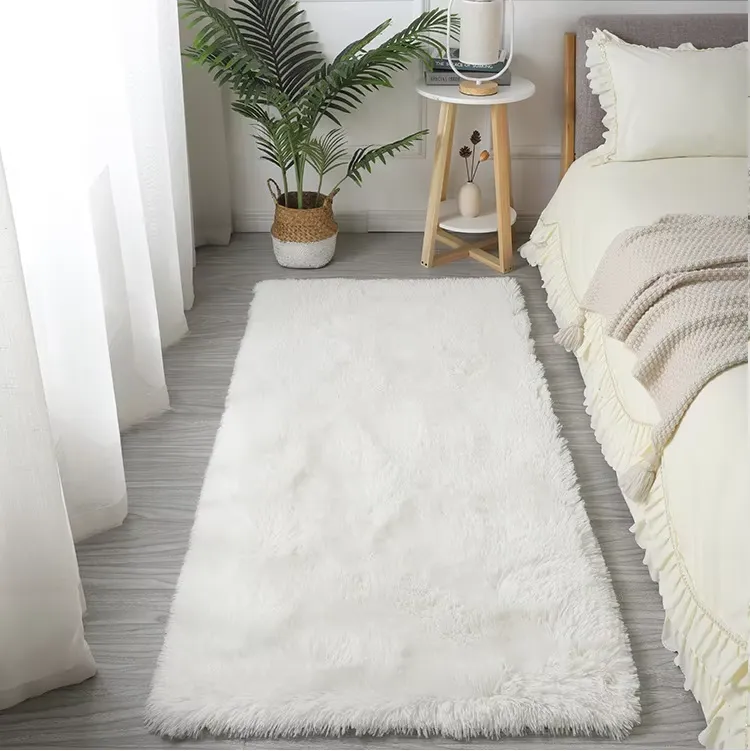
Faux fur runners are decorative textile floor coverings designed to provide warmth, comfort, and aesthetic appeal. Positioned within the broader home furnishings industry, faux fur runners represent a synthetic alternative to natural fur, addressing ethical concerns and cost sensitivities. They typically function as accent pieces within living spaces, hallways, or bedrooms, offering a tactile and visual enhancement. Core performance characteristics include pile height, fiber composition, backing material, and durability – all influencing the product’s longevity, cleanability, and overall sensory experience. The demand for faux fur runners is driven by increasing consumer preference for animal-friendly products and versatile interior design solutions, necessitating a rigorous understanding of the materials science and manufacturing processes involved in their production. The industry faces challenges in balancing cost-effectiveness with achieving a realistic fur-like texture and minimizing shedding.
Material Science & Manufacturing
The foundation of a faux fur runner lies in its synthetic fiber composition, primarily utilizing acrylic or polyester. Acrylic fibers (polyacrylonitrile) are favored for their wool-like feel and ability to retain shape, offering good resilience and dyeability. Polyester provides greater durability and stain resistance but often lacks the same level of softness. The manufacturing process begins with polymer production – acrylic monomers or polyester precursors are polymerized into long chains. These polymers are then extruded through spinnerets to form fibers. Fiber denier (thickness) and crimp (waviness) are critical parameters, directly impacting the pile’s texture and density. The fibers undergo cutting to the desired pile length. The core manufacturing method is typically a tufting process, where the fibers are inserted into a primary backing material (typically polypropylene or jute). A secondary backing, often latex or polyurethane foam, is applied for increased cushioning, stability, and dimensional integrity. Pile density is regulated by stitch rate and yarn feed. Quality control involves rigorous testing of fiber strength, colorfastness, and shedding propensity. Further processing includes shearing to achieve a consistent pile height and brushing to enhance the fur-like appearance. Parameter control during extrusion, tufting, and backing application is essential to prevent defects such as uneven pile, backing delamination, and fiber breakage.
Performance & Engineering
The performance of a faux fur runner is dictated by its resistance to compression, abrasion, and environmental factors. Force analysis reveals that the pile’s resilience is crucial for maintaining its plushness and recovering from foot traffic. Pile height and density directly correlate with compression set – lower pile heights and higher densities generally exhibit better recovery. Abrasion resistance, evaluated using methods like the Taber abrasion test, determines the runner’s ability to withstand wear and tear. Environmental resistance is particularly important, considering exposure to varying temperatures, humidity, and light levels. Polyester fibers demonstrate superior UV resistance compared to acrylic, minimizing fading and degradation. Chemical resistance is also a key consideration, especially regarding common household cleaning agents. Backing material selection significantly impacts slip resistance; latex backings provide adequate grip on smooth surfaces, while non-slip rubberized backings are recommended for tile or hardwood floors. Compliance requirements pertain to flammability (meeting standards such as California Proposition 65 regarding formaldehyde emissions) and heavy metal content, ensuring consumer safety. Functional implementation involves proper anchoring of the runner to prevent shifting or bunching, contributing to user safety and aesthetic presentation.
Technical Specifications
| Parameter | Acrylic Fiber | Polyester Fiber | Typical Range |
|---|---|---|---|
| Fiber Denier (dtex) | 50-300 | 75-400 | 100-350 |
| Pile Height (mm) | 20-60 | 20-60 | 30-50 |
| Pile Density (oz/sq yd) | 800-1500 | 1000-2000 | 1200-1800 |
| Tensile Strength (N/50mm) | 20-40 | 40-60 | 30-50 |
| Colorfastness to Light (Gray Scale) | 4-5 | 6-7 | 5-7 |
| Shedding Rate (% weight loss after abrasion) | 2-5 | 1-3 | 1-4 |
Failure Mode & Maintenance
Faux fur runners are susceptible to several failure modes. Shedding, a common issue, arises from fiber breakage at the tuft lock or through abrasion during use. This is exacerbated by lower fiber quality and improper tufting techniques. Pile crushing, or compression set, occurs under sustained load, reducing the runner’s plushness. Delamination of the backing, where the secondary backing separates from the primary backing, compromises structural integrity. Fiber degradation, particularly in acrylic fibers exposed to prolonged UV radiation, leads to discoloration and brittleness. Oxidation can also occur over time, causing the fibers to become stiff and lose their soft texture. Maintenance is critical for extending lifespan. Regular vacuuming with a brush attachment removes loose fibers and debris. Spot cleaning with a mild detergent and water is recommended for spills. Avoid harsh chemicals and excessive water, which can damage the fibers and backing. Professional cleaning may be necessary for deep-seated stains. Proper storage in a dry, well-ventilated area prevents mildew growth and fiber deterioration. Replacing runners exhibiting significant delamination or widespread fiber degradation is crucial for maintaining safety and aesthetic appeal.
Industry FAQ
Q: What is the primary difference between acrylic and polyester faux fur in terms of long-term durability?
A: While acrylic offers a more realistic ‘fur’ feel, polyester generally exhibits superior durability, particularly regarding abrasion resistance and resistance to crushing. Polyester fibers are inherently stronger and less prone to degradation from sunlight exposure compared to acrylic, making them a better choice for high-traffic areas or environments with significant light exposure.
Q: How does the backing material influence the runner's slip resistance and lifespan?
A: The backing material is critical. Latex backings offer moderate slip resistance and cushioning but are prone to cracking and degradation over time. Polyurethane foam provides enhanced durability and cushioning, but may be more expensive. Rubberized backings provide the highest level of slip resistance and are preferred for safety, especially on hard surfaces.
Q: What is the significance of pile density in determining the quality and comfort of a faux fur runner?
A: Pile density, measured in ounces per square yard, directly influences the runner’s plushness and overall comfort. Higher pile densities generally result in a softer, more luxurious feel and better resistance to flattening under foot traffic. However, excessively high densities can also increase production costs and potentially limit breathability.
Q: What flammability standards should manufacturers adhere to when producing faux fur runners for the US market?
A: Manufacturers must comply with California Proposition 65, which regulates formaldehyde emissions, and ensure the runner meets relevant flammability standards, such as those established by the Consumer Product Safety Commission (CPSC). Testing according to ASTM E84 (Surface Burning Characteristics) is commonly employed to assess flammability.
Q: What steps can be taken to minimize shedding in faux fur runners?
A: Minimizing shedding requires a multi-faceted approach. Utilizing high-quality fibers with minimal fiber breakage during production is crucial. Proper tufting techniques, including secure tuft lock and appropriate yarn tension, are essential. Applying a latex or polyurethane coating to the backing helps anchor the fibers. Regular vacuuming with a brush attachment removes loose fibers and reduces visible shedding.
Conclusion
Faux fur runners represent a significant segment within the home furnishings market, driven by consumer demand for ethical and aesthetically pleasing floor coverings. Understanding the interplay between material science – specifically the properties of acrylic and polyester – and manufacturing processes, such as tufting and backing application, is paramount to producing high-quality, durable products. Careful consideration of performance characteristics, including abrasion resistance, compression set, and environmental stability, alongside adherence to relevant safety standards, ensures consumer satisfaction and product longevity.
Future advancements in faux fur technology will likely focus on developing more sustainable fiber sources, improving fiber locking mechanisms to further reduce shedding, and enhancing the tactile realism of the fur-like texture. Addressing the challenges of balancing cost-effectiveness with enhanced performance and sustainability will be key to maintaining the competitiveness of faux fur runners in the evolving home furnishings landscape. Continued research into innovative backing materials and improved manufacturing techniques will further solidify the position of faux fur runners as a versatile and desirable flooring solution.