

faux hide rug Performance Engineering
Introduction
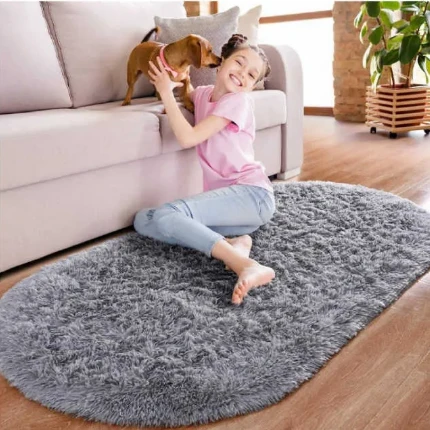
Faux hide rugs, also known as artificial animal skin rugs, represent a synthetic alternative to genuine animal hide rugs. Positioned within the broader floor coverings industry, these products bridge the gap between aesthetic appeal and ethical/economic considerations. Typically constructed from acrylic, polyester, or a blend of both, they are designed to mimic the texture and appearance of natural hides like cowhide or sheepskin. Core performance characteristics center around durability, stain resistance, ease of maintenance, and visual fidelity. A key distinction lies in their cost-effectiveness and avoidance of animal welfare concerns, driving significant market demand, particularly in residential and light commercial applications. The industry currently faces challenges in improving the tactile realism of these products and addressing concerns about microplastic shedding during wear and washing.
Material Science & Manufacturing
The primary raw materials for faux hide rugs are synthetic polymers, predominantly acrylic and polyester. Acrylic fibers offer a softer hand feel and better wool-like characteristics, stemming from their higher crimp and bulk. However, polyester provides superior durability, abrasion resistance, and inherent stain resistance due to its smooth fiber surface and greater tensile strength. Manufacturing typically involves several key stages. First, polymer pellets are melted and extruded into fibers. These fibers are then processed through carding and spinning to create yarn. The yarn undergoes knitting or weaving to form a base fabric, often a loop pile construction for added texture. The crucial stage involves the application of a surface treatment – often a flocking process where short fibers are adhered to an adhesive-coated substrate, or a more advanced printing technique that replicates the patterns and color variations of natural hides. Parameter control during extrusion is paramount, regulating fiber denier, length, and crimp. Yarn tension and loop density are critical during knitting/weaving, influencing the rug's pile height and overall density. Adhesive application uniformity and fiber density during flocking directly impact the realism and durability of the hide imitation. Colorfastness is achieved through the use of durable dyes and post-treatment processes to prevent fading from UV exposure or washing.
Performance & Engineering
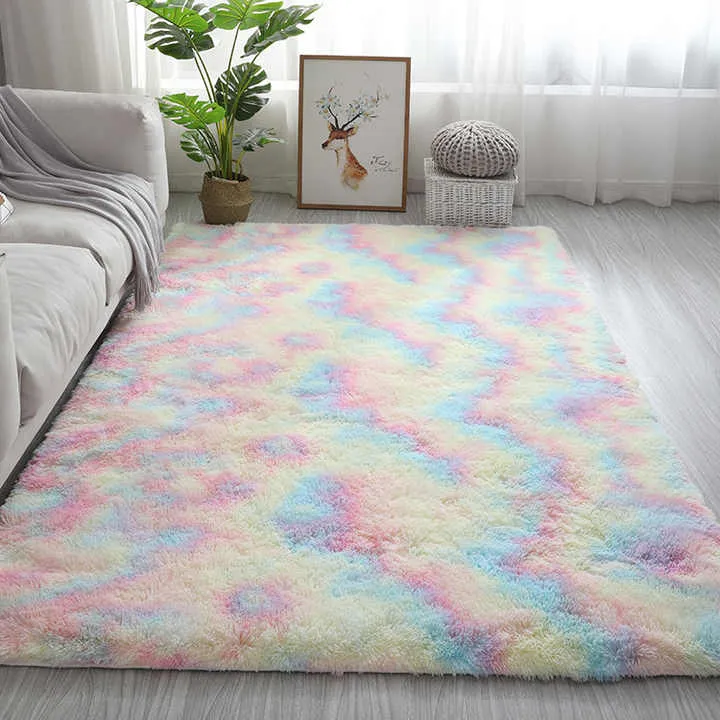
The performance of faux hide rugs is heavily reliant on the interaction between material properties and construction techniques. Force analysis focuses on tensile strength (ASTM D2256), tear resistance (ASTM D2261), and pile compression recovery. A significant engineering consideration is dimensional stability; the rug must resist shrinkage, stretching, and distortion under varying temperature and humidity conditions. Environmental resistance is critical, particularly regarding UV stability (ASTM D4459) to prevent color fading and degradation of the polymer fibers. Abrasion resistance (ASTM D3886) dictates the rug's lifespan and ability to withstand foot traffic. Flammability is a critical safety factor, and compliance with standards like the Federal Flammability Standard DOC-FF 1-70 is essential for sale in the US market. The backing material (typically jute or polypropylene) significantly impacts slip resistance (ASTM D2047), preventing accidents. The backing also influences the rug’s ability to lay flat and resist curling. The overall design and pile height influence the rug's thermal insulation properties and sound absorption characteristics, relevant for comfort and noise reduction.
Technical Specifications
| Parameter | Acrylic Faux Hide | Polyester Faux Hide | Genuine Cowhide (Typical) |
|---|---|---|---|
| Fiber Composition | 100% Acrylic | 100% Polyester | Collagen & other Proteins |
| Pile Height (mm) | 20-30 | 15-25 | Variable, 5-15 |
| Density (g/m²) | 800-1200 | 600-1000 | Variable, 1200-2000 |
| Tensile Strength (N/cm) | 40-60 | 60-80 | 80-120 |
| Abrasion Resistance (Cycles) | 10,000-20,000 | 20,000-30,000 | 50,000+ |
| Water Absorption (%) | 1.5-3.0 | 0.5-1.5 | Variable, 10-15 |
Failure Mode & Maintenance
Faux hide rugs are susceptible to several failure modes. Fiber shedding is common, particularly with acrylic varieties, resulting from abrasion and repeated foot traffic. Pile crushing occurs due to prolonged compression, leading to a loss of loft and textural integrity. Delamination, where the pile separates from the backing, can result from adhesive failure or wear. UV degradation causes color fading and fiber embrittlement, especially in direct sunlight. Microplastic shedding, a growing concern, arises from the breakdown of synthetic fibers during washing and use. Oxidation can occur in polyester fibers over extended periods, leading to yellowing and loss of strength. Maintenance typically involves regular vacuuming to remove loose debris and prevent fiber matting. Spot cleaning with mild detergent and water is recommended for spills. Avoid harsh chemicals or abrasive cleaners. For more significant stains, professional cleaning is advised. To mitigate shedding, avoid excessive agitation during washing. Rotating the rug periodically can distribute wear evenly and prolong its lifespan. Proper underlayment can reduce pile crushing and improve dimensional stability. Preventing prolonged exposure to direct sunlight minimizes UV degradation.
Industry FAQ
Q: What are the primary differences in performance between acrylic and polyester faux hides, and how does this impact application suitability?
A: Polyester faux hides generally exhibit superior abrasion resistance, stain resistance, and dimensional stability compared to acrylic. This makes them more suitable for high-traffic areas or environments prone to spills. Acrylic provides a softer, more wool-like feel, prioritizing comfort and aesthetic appeal, making them preferable for bedrooms or living rooms where durability is less critical. Cost is also a factor; acrylic is often less expensive.
Q: How does the backing material contribute to the overall performance and longevity of a faux hide rug?
A: The backing material provides structural support and influences slip resistance. Jute backings offer good breathability but are susceptible to moisture damage and mildew. Polypropylene backings are more durable, water-resistant, and inherently mold-resistant. A high-quality backing prevents delamination, maintains dimensional stability, and enhances safety by reducing the risk of slipping.
Q: What testing standards are used to evaluate the flammability and fire resistance of faux hide rugs?
A: The primary standard used in the US is the Federal Flammability Standard DOC-FF 1-70, which assesses the surface flammability of carpets and rugs. Other relevant standards include the California Technical Bulletin 117, which focuses on smolder resistance. European standards like EN 13501-1 provide a classification system for building materials based on their fire performance.
Q: What is the impact of microplastic shedding from faux hide rugs, and are there mitigation strategies?
A: Microplastic shedding is a growing environmental concern, as these particles can enter waterways and impact aquatic ecosystems. Mitigation strategies include selecting rugs with tightly woven pile construction to minimize fiber release, using laundry bags designed to capture microplastics during washing, and employing gentler washing cycles. Research is ongoing to develop more durable synthetic fibers that are less prone to shedding.
Q: How can you distinguish a high-quality faux hide rug from a lower-quality one?
A: Examine the pile density and construction. A high-quality rug will have a dense, evenly distributed pile with a realistic texture. Inspect the backing for secure attachment and durability. Check for colorfastness by rubbing a white cloth against the surface; minimal color transfer indicates good dye quality. Assess the overall weight and feel; a heavier, more substantial rug generally indicates higher material content and quality.
Conclusion
Faux hide rugs offer a compelling balance of aesthetics, affordability, and ethical considerations within the floor coverings market. Their performance characteristics are directly tied to the selection of raw materials – primarily acrylic and polyester – and the precision of manufacturing processes including fiber extrusion, yarn construction, and surface treatment. Understanding the interplay between these factors is crucial for selecting a rug that meets specific application requirements, considering factors such as foot traffic, environmental exposure, and desired aesthetic.
The industry faces ongoing challenges related to improving tactile realism, reducing microplastic shedding, and enhancing overall durability. Future innovations will likely focus on developing more sustainable synthetic fibers, optimizing manufacturing techniques to minimize fiber loss, and exploring advanced surface treatments to replicate the nuanced textures and patterns of genuine animal hides. Continued adherence to industry standards and rigorous testing protocols will be essential for ensuring product safety and performance.