

faux rabbit fur rug 8x10 Performance Analysis
Introduction
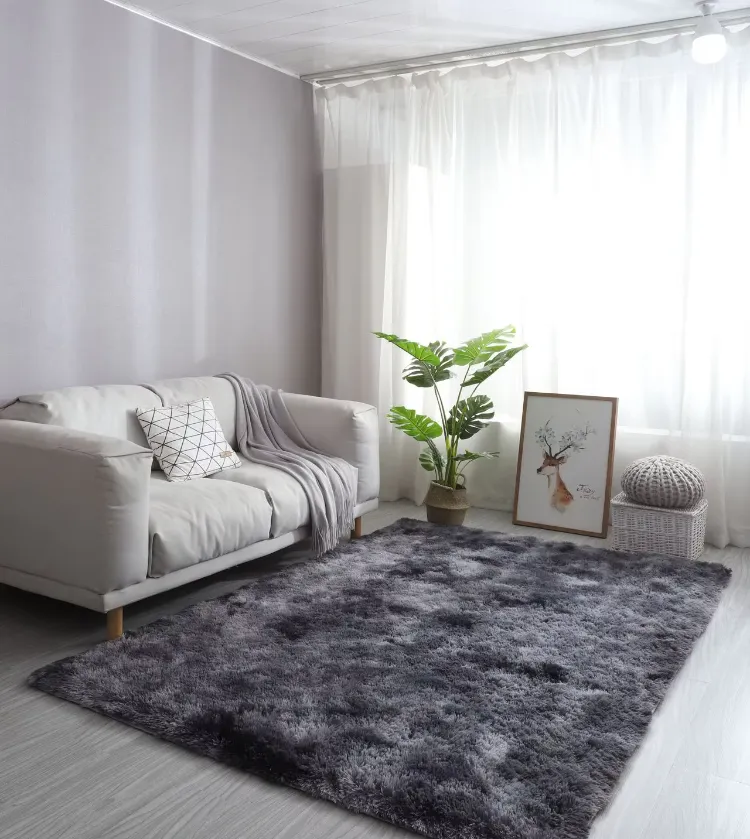
Faux rabbit fur rugs, specifically the 8x10 format, represent a significant segment of the decorative floor covering market. Positioned as an ethical and cost-effective alternative to genuine rabbit fur, these rugs are predominantly utilized in residential applications focusing on comfort and aesthetics. Technically, they constitute a class of pile fabrics engineered to mimic the tactile and visual characteristics of natural rabbit fur. Core performance characteristics center around pile density, fiber composition, backing material durability, and resistance to shedding. The industry faces challenges related to consumer perception of quality, sustainable sourcing of synthetic fibers, and maintaining consistent texture and appearance across production batches. This guide provides an in-depth analysis of the materials, manufacturing processes, performance parameters, potential failure modes, and relevant industry standards pertaining to faux rabbit fur rugs of this size.
Material Science & Manufacturing
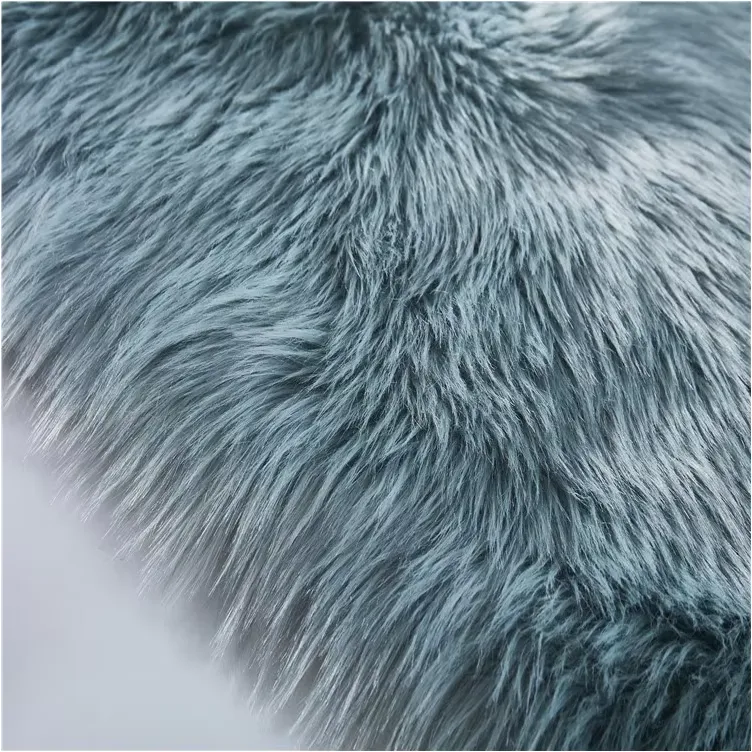
The foundation of a faux rabbit fur rug is the synthetic fiber used to create the pile. Predominantly, these are constructed from modacrylic, acrylic, or polyester fibers. Modacrylic is favored for its inherent flame retardancy and soft hand feel, while acrylic offers cost-effectiveness and good bulk. Polyester provides enhanced durability and resistance to abrasion. The denier (fiber thickness) typically ranges from 0.5 to 2.0 D, influencing the fineness and softness of the fur. The backing material is crucial for structural integrity and often consists of a woven polypropylene or jute base. Manufacturing begins with fiber extrusion, followed by crimping to introduce texture and volume. These crimped fibers are then tufted or woven into the backing material. Tufting, the more common method, involves inserting loops of fiber through the backing, which are subsequently sheared to create a dense pile. Weaving creates a more robust and dimensionally stable rug but is generally more expensive. Key process parameters include tufting gauge (fiber density), pile height (typically 1.5-2.5 inches), and shearing blade sharpness, directly impacting the final product's aesthetic and tactile qualities. Dyeing is typically performed on the fiber before tufting or weaving, utilizing acid dyes for modacrylic and disperse dyes for polyester. Fiber blends are increasingly common, combining the benefits of different materials, e.g., polyester for durability and modacrylic for softness. Chemical compatibility between the fiber, dyes, and backing materials is paramount to prevent discoloration or degradation. Quality control centers on assessing pile density, colorfastness, and backing integrity.
Performance & Engineering
The performance of a faux rabbit fur rug is largely dictated by its ability to withstand mechanical stresses and environmental factors. From an engineering perspective, the rug experiences compression forces from foot traffic and furniture loading. The pile's resilience, quantified by its compression set (the permanent deformation after compression), is a critical performance indicator. Tensile strength of both the pile fibers and the backing material contribute to overall durability and resistance to tearing. Environmental resistance is primarily focused on moisture resistance, UV stability, and resistance to staining. Polyester exhibits superior UV resistance compared to acrylic. The backing material’s moisture absorption rate impacts the risk of mildew growth. Pile fibers are often treated with stain-resistant finishes (e.g., fluorocarbon-based coatings) to repel liquids and simplify cleaning. Compliance requirements vary geographically, but generally involve flammability testing (meeting standards like California Technical Bulletin 117) and ensuring the absence of harmful chemicals (compliance with REACH regulations). Force analysis reveals that localized stress concentrations occur at areas of high foot traffic. Therefore, optimizing pile density and fiber anchoring strength are vital for preventing premature wear. A key aspect of functional implementation is ensuring the rug lies flat and remains dimensionally stable over time, resisting curling or buckling. This relies on the backing material’s inherent stiffness and the uniform distribution of pile fibers.
Technical Specifications
| Parameter | Acrylic Pile | Modacrylic Pile | Polyester Pile | Polypropylene Backing |
|---|---|---|---|---|
| Pile Height (inches) | 1.75 - 2.25 | 1.5 - 2.0 | 1.8 - 2.5 | N/A |
| Fiber Denier (dtex) | 1.5 - 2.0 | 1.0 - 1.5 | 0.8 - 1.2 | N/A |
| Pile Density (oz/sq yd) | 800 - 1200 | 900 - 1400 | 1000 - 1600 | N/A |
| Tensile Strength (lbs/in) | 4 - 6 | 3 - 5 | 6 - 8 | 15 - 25 |
| Compression Set (%) (24 hrs @ 50% compression) | 8 - 12 | 5 - 8 | 6 - 10 | N/A |
| Water Absorption (%) (24 hrs) | 2 - 4 | 1 - 3 | 0.5 - 2 | 0.1 - 0.5 |
Failure Mode & Maintenance
Faux rabbit fur rugs are susceptible to several failure modes. Shedding is a common issue, particularly during the initial use period, resulting from loose fibers detaching from the pile. Fiber breakage occurs due to repeated flexing and abrasion, weakening the fibers and causing them to split or fray. Pile crushing develops under sustained compressive loads, reducing the rug’s loft and softness. Delamination, the separation of the pile from the backing, is a more severe failure, often initiated by wear and tear around the edges. Oxidation, caused by UV exposure, can lead to color fading and fiber embrittlement, predominantly impacting acrylic-based piles. Static electricity buildup is also prevalent, attracting dust and debris. Maintenance is critical to prolonging the rug’s lifespan. Regular vacuuming (using a suction-only attachment) removes loose fibers and surface dirt. Spot cleaning with a mild detergent and water is recommended for spills. Avoid excessive moisture, as it can damage the backing and promote mildew growth. Professional cleaning is advisable every 12-18 months. To mitigate shedding, consider using a rug pad to provide cushioning and reduce fiber stress. Protecting the rug from direct sunlight minimizes UV degradation. Addressing delamination requires professional repair, often involving re-gluing the pile to the backing. Preventive measures, like rotating the rug periodically, distribute wear more evenly and enhance durability.
Industry FAQ
Q: What is the primary difference in durability between an acrylic and polyester faux fur rug?
A: Polyester generally exhibits superior abrasion resistance and tensile strength compared to acrylic. This translates to a longer lifespan, particularly in high-traffic areas. Acrylic is softer to the touch but more prone to fiber breakage and pilling over time.
Q: How does the backing material impact the rug's overall performance?
A: The backing provides structural support and prevents stretching or distortion. Polypropylene backing is cost-effective and resists moisture, while jute provides greater stability but is susceptible to water damage. Backing thickness and weave density contribute to durability.
Q: What flammability standards are typically required for faux fur rugs sold in the US?
A: The primary flammability standard is California Technical Bulletin 117, which assesses the rug’s resistance to ignition and flame spread. Compliance ensures the rug meets minimum safety requirements for residential use.
Q: How can I minimize shedding in a new faux fur rug?
A: Initial shedding is normal. Regular vacuuming (suction only, no beater bar) will remove loose fibers. Using a rug pad provides cushioning and reduces stress on the fibers, minimizing shedding over time. Avoid vigorous shaking or pulling on the fibers.
Q: Are there any environmentally friendly options for faux fur rugs?
A: While most faux fur rugs utilize synthetic fibers derived from petroleum, some manufacturers are exploring the use of recycled polyester fibers. Look for rugs certified by organizations like OEKO-TEX Standard 100, which ensures the absence of harmful chemicals.
Conclusion
Faux rabbit fur rugs offer a viable alternative to natural fur, providing a blend of aesthetic appeal and affordability. Their performance characteristics are intrinsically linked to the material selection—acrylic, modacrylic, and polyester each offering unique trade-offs in terms of softness, durability, and UV resistance. Manufacturing process control, particularly regarding pile density and fiber anchoring, is paramount to ensuring product quality and longevity. Understanding the potential failure modes—shedding, fiber breakage, delamination—and implementing appropriate maintenance practices are essential for maximizing the lifespan of these rugs.
Future development in this sector is likely to focus on sustainable materials, utilizing recycled content and bio-based polymers. Advancements in fiber technology could lead to faux fur with improved tactile properties and enhanced durability. Moreover, integration of smart technologies, such as self-cleaning coatings or embedded sensors for monitoring wear and tear, could further elevate the performance and value proposition of faux rabbit fur rugs.