

faux rabbit rug Performance Analysis
Introduction
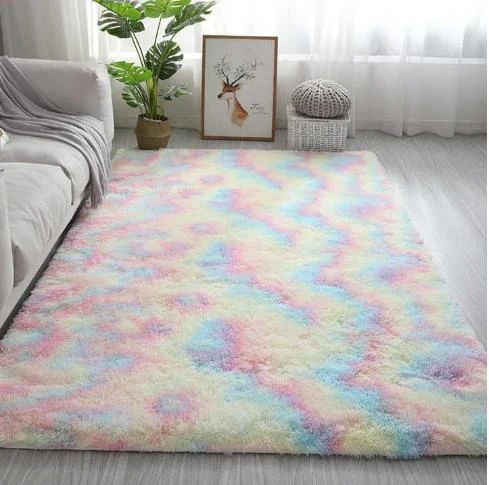
Faux rabbit rugs represent a synthetic alternative to traditional rugs crafted from rabbit fur. Positioned within the broader textile and floor coverings industry, these rugs serve primarily as decorative elements, providing warmth and aesthetic appeal. Their increasing prevalence is driven by ethical concerns surrounding animal welfare, coupled with advancements in fiber technology enabling realistic texture and appearance replication. Core performance characteristics encompass softness, durability, ease of maintenance, and visual similarity to genuine rabbit fur, differentiating them from materials like wool, cotton, and synthetic blends commonly used in rug manufacturing. The industry faces ongoing challenges in achieving tactile fidelity, minimizing shedding, and ensuring colorfastness, aspects critical for consumer satisfaction and long-term product performance.
Material Science & Manufacturing
Faux rabbit rugs are predominantly constructed from synthetic fibers, most commonly acrylic and modacrylic. Acrylic fibers, derived from acrylonitrile through polymerization, offer a cost-effective solution exhibiting moderate durability and a relatively soft hand feel. Modacrylic fibers, copolymers of acrylonitrile and other monomers, enhance flame retardancy and provide improved resistance to pilling. The manufacturing process begins with fiber extrusion, where molten polymer is forced through spinnerets to form continuous filaments. These filaments are then drawn (stretched) to increase tensile strength and oriented for improved uniformity. The resulting yarn undergoes a crimping process to introduce bulk and create the illusion of fur-like texture. Manufacturing commonly employs tufting or weaving techniques. Tufting involves inserting yarn loops into a primary backing material, typically polypropylene, followed by coating with a secondary backing for stability. Weaving creates a more robust structure, interlacing warp and weft yarns. Critical parameters during manufacturing include fiber denier (fineness), yarn twist, pile height, and density. Maintaining consistent dye uptake during coloration is essential for achieving accurate color matching and preventing fading. Post-processing often includes shearing to achieve the desired pile length and density, alongside quality control inspections for defects like uneven tufting or color variations.
Performance & Engineering
The performance of faux rabbit rugs is governed by several engineering principles. Pile density directly correlates with the rug’s perceived softness and insulating properties. Higher density increases thermal resistance (R-value), enhancing warmth. Tensile strength of the fibers determines resistance to tearing and abrasion, crucial for high-traffic areas. Fiber elongation at break impacts resilience; a moderate elongation allows the pile to recover from compression. Environmental resistance is critical, especially concerning UV exposure and moisture. Acrylic and modacrylic fibers are susceptible to degradation from prolonged UV radiation, leading to color fading and reduced strength. Moisture absorption, while relatively low, can contribute to mildew growth if the rug is not properly dried. Force analysis reveals that the primary stresses during use are compressive (foot traffic) and shear (dragging objects across the surface). The backing material plays a vital role in distributing these stresses and preventing delamination. Compliance requirements vary by region but generally encompass flammability standards (e.g., California Proposition 65 for formaldehyde emissions) and VOC (volatile organic compound) limits. Adhesive bonding used for secondary backing must meet stringent safety standards to prevent off-gassing and potential health hazards.
Technical Specifications
| Parameter | Acrylic Fiber | Modacrylic Fiber | Polypropylene Backing |
|---|---|---|---|
| Denier (dtex) | 1.5 – 3.0 | 1.5 – 3.0 | 800 – 2000 |
| Tensile Strength (cN/tex) | 40 – 70 | 50 – 80 | 30 – 50 |
| Elongation at Break (%) | 20 – 30 | 25 – 35 | 150 – 250 |
| Pile Height (mm) | 20 – 50 | 20 – 50 | N/A |
| Pile Density (g/m²) | 800 – 1500 | 800 – 1500 | N/A |
| Colorfastness to Light (Grade 1-5) | 3 – 4 | 4 – 5 | N/A |
Failure Mode & Maintenance
Faux rabbit rugs are susceptible to several failure modes. Shedding, resulting from fiber breakage at the yarn ends, is a common issue, particularly with lower-quality acrylic fibers. Pilling occurs due to abrasion and fiber entanglement, creating small balls of fiber on the surface. UV degradation leads to color fading and reduced fiber strength, manifesting as discoloration and brittleness. Delamination of the backing can occur if adhesive bonding fails, causing the pile to separate. Compaction of the pile, resulting from sustained pressure, diminishes the rug’s softness and insulating properties. Maintenance is critical for prolonging lifespan. Regular vacuuming (using a suction-only nozzle to avoid damaging the fibers) removes dust and debris. Spot cleaning with a mild detergent and water addresses spills. Avoid excessive moisture, as it can promote mildew growth. Professional cleaning is recommended every 12-18 months to restore pile loft and remove embedded dirt. Exposure to direct sunlight should be minimized to prevent UV degradation. Rotating the rug periodically distributes wear evenly, extending its service life. Repairing localized damage, such as small tears, can be achieved with fiber bonding adhesives or professional rug repair services.
Industry FAQ
Q: What is the primary difference in durability between acrylic and modacrylic faux rabbit rugs?
A: Modacrylic fibers generally exhibit superior durability to acrylic, particularly concerning flame retardancy and resistance to pilling. The incorporation of different monomers into the polymer chain of modacrylic results in a stronger, more resilient fiber less prone to degradation under stress. While acrylic offers a lower cost point, modacrylic provides a longer service life in high-traffic areas.
Q: How does the backing material impact the overall performance of a faux rabbit rug?
A: The backing material, typically polypropylene, provides structural integrity and distributes weight and stress. A higher-quality backing offers improved resistance to delamination and maintains the rug’s shape and dimensions over time. The backing’s density and weave pattern influence its resistance to stretching and tearing. The adhesive used to bond the pile to the backing is also crucial; a strong, flexible adhesive is essential for long-term performance.
Q: What are the environmental considerations related to faux rabbit rug manufacturing and disposal?
A: The production of acrylic and modacrylic fibers relies on fossil fuels, contributing to carbon emissions. Disposal of these rugs presents challenges, as synthetic fibers are not readily biodegradable. Recycling options are limited, though advancements in fiber-to-fiber recycling technologies are emerging. Choosing rugs with recycled content and exploring end-of-life recycling programs can mitigate environmental impact.
Q: What are the typical flammability standards that faux rabbit rugs must meet?
A: Flammability standards vary by region. In the United States, faux rabbit rugs must generally comply with the Federal Flammability Standard DOC FF 1-70, which assesses the rug's resistance to ignition and flame spread. California Proposition 65 also regulates formaldehyde emissions. European standards, such as EN 13501-1, classify building materials based on their reaction to fire.
Q: How can consumers differentiate between high-quality and low-quality faux rabbit rugs?
A: Key indicators of quality include pile density, fiber type (modacrylic generally being superior), backing material robustness, and colorfastness. A higher pile density results in a softer, more luxurious feel. A tight weave and secure backing prevent shedding and delamination. Rubbing a white cloth against the pile can reveal dye transfer, indicating poor colorfastness. A reputable manufacturer will provide detailed technical specifications and certifications.
Conclusion
Faux rabbit rugs represent a sophisticated advancement in textile technology, offering a viable and ethical alternative to natural fur. Their performance is dictated by the interplay of material science, manufacturing processes, and engineering principles, influencing characteristics like durability, softness, and environmental resistance. Understanding these factors is crucial for manufacturers, retailers, and consumers seeking to optimize product selection and lifespan.
Ongoing research and development focus on enhancing fiber properties, improving manufacturing efficiency, and addressing environmental concerns related to production and disposal. Future innovations may include bio-based synthetic fibers, closed-loop recycling systems, and advancements in fiber bonding technologies, further solidifying the position of faux rabbit rugs as a sustainable and aesthetically pleasing floor covering option.