

faux rug Performance Analysis

Introduction
Faux rugs, also known as artificial rugs, represent a significant segment within the broader floor covering industry. Positioned as a cost-effective and ethically sourced alternative to natural fiber rugs (wool, silk, cotton), they primarily utilize synthetic polymers to replicate the aesthetic and tactile properties of their natural counterparts. Their industrial chain position is downstream from petrochemical production, involving polymer synthesis, fiber extrusion, weaving or tufting, and finishing processes. Core performance characteristics include durability, stain resistance, ease of cleaning, and aesthetic versatility. The growing demand for faux rugs is driven by increasing consumer awareness of animal welfare concerns related to wool production, affordability constraints, and the need for low-maintenance flooring solutions in both residential and commercial spaces. Understanding the material composition, manufacturing techniques, performance limitations, and failure modes of faux rugs is crucial for informed procurement and optimal product lifespan.
Material Science & Manufacturing
The predominant raw material in faux rug production is polypropylene (PP), valued for its low cost, high tensile strength, and inherent resistance to moisture and stains. Polyester (PET) and nylon (PA6/PA66) are also frequently utilized, offering varying degrees of softness, durability, and aesthetic appeal. Polypropylene is typically produced via the Ziegler-Natta polymerization process from propylene monomer, while polyester is commonly derived from ethylene glycol and terephthalic acid through esterification and polymerization. Nylon involves the polymerization of caprolactam or hexamethylenediamine and adipic acid. The manufacturing process begins with polymer extrusion to create fibers. These fibers undergo texturizing to enhance bulk and resilience. The core manufacturing techniques employed are tufting and weaving. Tufting involves inserting fibers through a primary backing material, secured by a secondary latex or polyurethane backing. Weaving, while less common for mass-produced faux rugs, involves interlacing warp and weft yarns to create a more robust and intricate structure. Key parameter control during production includes denier (fiber thickness), pile height, pile density, yarn twist, and backing adhesion strength. Dyeing is typically performed using solution dyeing (adding pigment to the polymer melt) or yarn dyeing. Finishing treatments, such as anti-static coatings and stain repellents, are applied to enhance performance characteristics.
Performance & Engineering
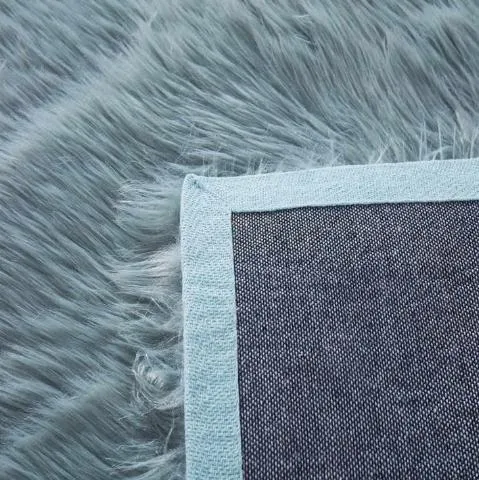
The performance of a faux rug is intricately linked to its construction and material properties. Force analysis is crucial in evaluating pile resilience and resistance to crushing. Pile height and density directly correlate with the rug's ability to withstand foot traffic and maintain its appearance. Tensile strength, measured according to ASTM D2256, determines the rug’s resistance to tearing and delamination. Environmental resistance encompasses UV stability, which dictates colorfastness upon exposure to sunlight (assessed using ASTM D4365), and resistance to temperature fluctuations, impacting dimensional stability. Compliance requirements vary by region, but commonly include flammability standards (e.g., California Technical Bulletin 117 for residential applications), VOC emission limits (e.g., CARB Section 93120), and labeling regulations regarding fiber content. The backing material plays a critical role in preventing slippage and providing structural integrity. Backing materials are commonly tested for peel adhesion strength (ASTM D4597) to ensure long-term durability. Engineering considerations include the selection of appropriate backing materials based on intended use (e.g., latex for general residential use, polyurethane for higher-traffic commercial areas) and the implementation of anti-static treatments to minimize dust attraction and static shock.
Technical Specifications
| Parameter | Polypropylene (PP) | Polyester (PET) | Nylon (PA6/PA66) | Units |
|---|---|---|---|---|
| Tensile Strength | 70-100 | 60-80 | 80-120 | MPa |
| Elongation at Break | 150-300 | 30-60 | 20-40 | % |
| Pile Height | 5-15 | 5-15 | 5-15 | mm |
| Pile Density | 800-1500 | 1000-2000 | 1200-2500 | grams/m² |
| Water Absorption | 0.1-0.5 | 0.4-0.8 | 1.5-2.5 | % |
| UV Resistance (Colorfastness) | Moderate | Good | Excellent | Rating (1-7, 7 being highest) |
Failure Mode & Maintenance
Common failure modes in faux rugs include pile shedding, fiber breakage, delamination of the backing, and color fading. Pile shedding is often attributed to low yarn twist or inadequate fiber locking during manufacturing. Fiber breakage can result from excessive wear and tear, particularly in high-traffic areas, or exposure to sharp objects. Delamination occurs when the adhesive bond between the pile and the backing weakens, often due to moisture exposure or manufacturing defects. Color fading is primarily caused by UV degradation, especially in rugs exposed to direct sunlight. Oxidation of the polymer chains over time can also contribute to brittleness and cracking. Maintenance practices significantly impact a faux rug’s lifespan. Regular vacuuming (2-3 times per week) removes abrasive dirt and debris. Spot cleaning with mild detergent and water is recommended for spills. Avoid harsh chemicals or abrasive cleaners, as these can damage the fibers. Professional cleaning every 12-18 months is advisable for deep cleaning and restoration. Preventing prolonged exposure to direct sunlight and rotating the rug periodically can help minimize fading and uneven wear. Addressing any initial signs of delamination with rug adhesive can extend the rug’s usability.
Industry FAQ
Q: What is the difference between polypropylene and polyester in terms of stain resistance?
A: Polypropylene generally exhibits superior inherent stain resistance compared to polyester due to its hydrophobic nature. While both materials resist water-based stains, polypropylene is less prone to absorbing oil-based stains, making it a preferred choice for high-traffic areas or homes with pets and children. However, advancements in polyester fiber technology are narrowing this gap, with some polyester rugs now incorporating stain-resistant treatments.
Q: How does the pile density affect the durability of a faux rug?
A: Higher pile density generally correlates with increased durability. A denser pile indicates more fibers per unit area, distributing wear and tear more evenly. This reduces the likelihood of individual fibers breaking or becoming dislodged, leading to a longer-lasting rug. Lower pile density rugs are more susceptible to matting and visible wear in high-traffic zones.
Q: What is the significance of the backing material?
A: The backing material provides structural integrity and prevents the rug from slipping. Latex backings are common and cost-effective, suitable for general residential use. Polyurethane backings offer enhanced durability and are often used in commercial applications or for rugs intended for areas with high foot traffic. The adhesive strength between the pile and the backing is a critical factor in preventing delamination.
Q: How do I determine if a faux rug meets flammability standards?
A: Reputable manufacturers will provide documentation demonstrating compliance with relevant flammability standards, such as California Technical Bulletin 117 or similar regional regulations. Look for labels or product specifications that clearly state compliance. Independent testing reports are also a valuable resource for verifying safety standards.
Q: What is the expected lifespan of a typical faux rug?
A: The lifespan of a faux rug varies depending on the material, construction, and level of use. A well-maintained polypropylene or polyester rug in a low-traffic residential setting can last 5-10 years. Nylon rugs, with their superior durability, may last 10-15 years. Rugs in high-traffic areas or commercial spaces will likely have a shorter lifespan, typically 3-7 years, even with regular maintenance.
Conclusion
Faux rugs represent a viable and increasingly sophisticated alternative to natural fiber rugs, offering a blend of aesthetic appeal, cost-effectiveness, and practical performance characteristics. The selection of appropriate materials – polypropylene, polyester, or nylon – coupled with optimized manufacturing processes, significantly influences durability, stain resistance, and overall longevity. Understanding the potential failure modes, such as pile shedding and delamination, and implementing preventative maintenance strategies, is essential for maximizing the lifespan and value of these floor coverings.
The future of faux rug technology will likely focus on advancements in sustainable materials, such as recycled polymers, and the development of more sophisticated fiber structures and backing materials to enhance performance and reduce environmental impact. Continued research into UV stabilization technologies and improved adhesive systems will further improve the durability and aesthetic appeal of faux rugs, solidifying their position as a dominant force within the floor covering industry.