


faux sheepskin Material Science Manufacturing
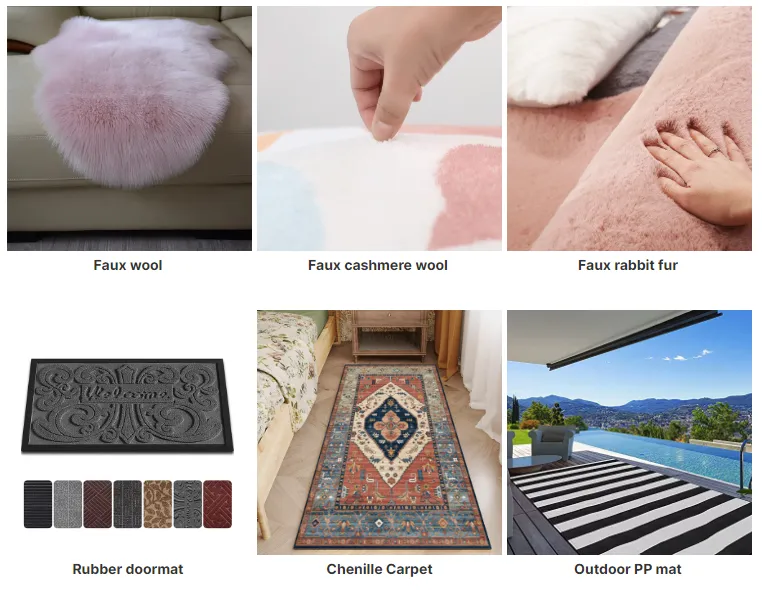
Introduction
Faux sheepskin, also commonly known as synthetic sheepskin or plush fleece, represents a textile engineered to mimic the tactile properties and aesthetic appearance of genuine sheepskin. Its position within the broader textile industry chain is as a value-added finishing material, typically applied to apparel, upholstery, automotive interiors, and industrial protective coverings. Unlike natural sheepskin which originates from animal husbandry, faux sheepskin relies on petrochemical-derived polymer fibers, primarily acrylic, polyester, and modacrylic blends. Core performance characteristics center around thermal insulation, surface softness, and aesthetic realism. However, these properties are intrinsically linked to fiber composition, pile height, density, and the manufacturing processes employed. The increasing demand for cruelty-free alternatives and cost-effectiveness has fueled significant growth in the faux sheepskin market, creating a need for detailed understanding of its material properties, manufacturing nuances, and long-term performance limitations.
Material Science & Manufacturing
The foundational material of faux sheepskin is typically a knitted or woven base fabric, most often polyester or polypropylene. This substrate provides structural integrity. The defining characteristic – the ‘pile’ – is created through a variety of methods utilizing primarily acrylic, polyester, or modacrylic fibers. Acrylic fibers, valued for their wool-like hand feel and relatively low cost, often constitute a significant portion of the blend. Polyester contributes to durability and resistance to pilling. Modacrylic, known for its flame retardancy and softness, is frequently incorporated in applications requiring enhanced safety characteristics. Manufacturing begins with fiber extrusion and drawing. These fibers are then processed through techniques such as tufting, where loops of fiber are inserted into the base fabric. The resulting loop pile is then sheared to achieve the desired pile height and density. Another method involves needle-punching, where barbed needles interlock fibers into the base fabric, creating a non-woven structure. Key parameter control during manufacturing includes fiber denier (fineness), pile height (typically ranging from 15mm to 40mm), pile density (measured in ounces per square yard), and the application of brushing or napping to enhance softness. Dyeing and finishing treatments are applied to impart color, water repellency, or anti-static properties. Chemical compatibility of dyes and finishes with the constituent polymers is critical to prevent degradation and colorfastness issues.

Performance & Engineering
The primary engineering consideration for faux sheepskin revolves around balancing thermal insulation, durability, and tactile comfort. Thermal resistance is directly proportional to pile height and density, with higher values providing greater insulation. However, increased pile density can also lead to reduced breathability. Force analysis is relevant to assessing the compressive strength of the pile and its resistance to matting under sustained pressure. This is particularly important in upholstery and automotive applications. Environmental resistance is a significant concern. Exposure to ultraviolet (UV) radiation can cause polymer degradation, leading to discoloration and loss of fiber strength. Hydrolytic stability, the resistance to degradation from moisture, is also crucial, particularly for acrylic fibers. Compliance requirements depend heavily on the end-use application. For children's apparel, flame retardancy standards (e.g., 16 CFR Part 1610 in the US) must be met. For automotive applications, stringent requirements relating to abrasion resistance, colorfastness, and chemical resistance to cleaning agents apply. Functional implementation also considers the need for adequate backing materials to prevent delamination and maintain structural integrity. Electrostatic discharge (ESD) control is important in certain industrial applications to prevent damage to sensitive electronic components.
Technical Specifications
| Parameter | Acrylic/Polyester Blend (Standard Grade) | High-Density Polyester (Automotive Grade) | Modacrylic Blend (Flame Retardant) | Units |
|---|---|---|---|---|
| Pile Height | 20 mm | 18 mm | 25 mm | mm |
| Pile Density | 15 oz/yd² | 22 oz/yd² | 18 oz/yd² | oz/yd² |
| Fiber Denier | 3-4 | 2-3 | 3-4 | dtex |
| Tensile Strength (Base Fabric) | 80 N/5cm | 120 N/5cm | 70 N/5cm | N/5cm |
| UV Resistance (AATCC 163) | Rating 3 (Moderate) | Rating 4 (Good) | Rating 2 (Poor) | Rating (1-5) |
| Flame Retardancy (16 CFR 1610) | Does not meet standard | Does not meet standard | Meets standard | Pass/Fail |
Failure Mode & Maintenance
Faux sheepskin is susceptible to several failure modes. Pilling – the formation of small fiber balls on the surface – is a common occurrence, particularly with acrylic blends due to lower fiber tenacity. Matting – a flattening of the pile – results from compressive forces and repeated use, reducing the insulating properties and aesthetic appeal. Fiber Degradation occurs due to UV exposure, causing discoloration and embrittlement of the fibers. Hydrolysis, particularly affecting acrylic fibers, leads to a reduction in tensile strength and increased susceptibility to tearing. Delamination – the separation of the pile from the base fabric – can occur due to inadequate bonding during manufacturing or repeated stress. Maintenance is crucial to prolonging the lifespan of faux sheepskin. Regular vacuuming with a soft brush attachment removes dust and debris, reducing pilling. Spot cleaning with mild detergent and water is recommended for spills, avoiding harsh chemicals that can damage the fibers. Machine washing should be done on a gentle cycle with cold water and a mild detergent, followed by air drying. Avoid direct sunlight exposure to minimize UV degradation. For severe matting, careful brushing with a wire brush can help restore some pile height, although this may not fully reverse the damage.
Industry FAQ
Q: What is the primary difference between acrylic and polyester faux sheepskin in terms of durability?
A: Polyester generally exhibits superior durability and abrasion resistance compared to acrylic. Acrylic fibers are softer and more wool-like in feel, but they are more prone to pilling and fiber breakdown under stress. Polyester retains its shape and pile structure better over time, making it more suitable for high-traffic applications like automotive interiors.
Q: How does UV exposure affect the longevity of faux sheepskin materials?
A: UV radiation causes polymer chain scission in both acrylic and polyester fibers, leading to discoloration, loss of tensile strength, and embrittlement. Acrylic is particularly susceptible to UV degradation. UV stabilizers can be added during manufacturing to mitigate this effect, but they do not eliminate it entirely. Consistent exposure will ultimately lead to material failure.
Q: What are the implications of using faux sheepskin in applications requiring flame retardancy?
A: Standard acrylic and polyester faux sheepskin typically do not meet flame retardancy standards such as 16 CFR Part 1610. To achieve flame retardancy, modacrylic fibers or flame-retardant treatments must be incorporated into the material composition. It is crucial to verify compliance with relevant safety regulations for the intended application.
Q: Can faux sheepskin be effectively cleaned with standard industrial cleaning agents?
A: The chemical compatibility of faux sheepskin with cleaning agents varies depending on the fiber composition. Harsh solvents and alkaline cleaners can damage the fibers, causing discoloration or degradation. Mild detergents and water are generally recommended. It's vital to consult the manufacturer's specifications for cleaning recommendations and perform spot tests before applying any cleaning agent to the entire surface.
Q: How does pile density influence the thermal insulation properties of faux sheepskin?
A: Higher pile density generally equates to greater thermal insulation. A denser pile traps more air, creating a more effective barrier against heat transfer. However, increasing pile density can also reduce breathability, potentially leading to moisture build-up. A balance between insulation and breathability is crucial for optimal comfort.
Conclusion
Faux sheepskin represents a versatile textile solution offering a compelling combination of aesthetic appeal, thermal comfort, and cost-effectiveness. Its material composition, primarily relying on acrylic, polyester, and modacrylic fibers, dictates its performance characteristics, susceptibility to failure modes, and appropriate maintenance protocols. Understanding the nuances of manufacturing processes – including fiber extrusion, tufting/needle-punching, and finishing treatments – is paramount to ensuring consistent quality and desired performance attributes.
Looking ahead, advancements in polymer chemistry and fiber engineering will likely lead to the development of faux sheepskin materials with enhanced durability, UV resistance, and flame retardancy. The integration of sustainable and bio-based polymers represents a key area of innovation, addressing growing environmental concerns. Continued refinement of manufacturing techniques will further optimize performance and reduce production costs, solidifying faux sheepskin's position as a leading textile alternative.