


faux sheepskin rug Performance Analysis
Introduction
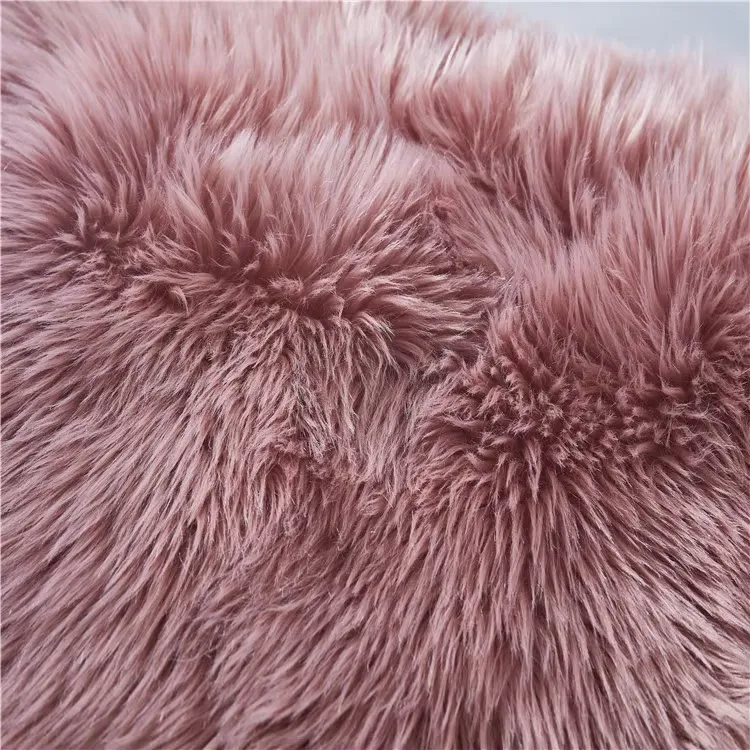
Faux sheepskin rugs represent a synthetic alternative to natural sheepskin, constructed primarily from acrylic, polyester, or a blend of both. Positioned within the broader textile and floor covering industry, they serve as decorative and comfort-enhancing elements for residential and commercial spaces. Unlike natural sheepskin, which is an animal product with inherent variability, faux sheepskin offers consistent texture, color, and performance characteristics. Core performance attributes include aesthetic appeal (simulating the look and feel of genuine sheepskin), durability, ease of maintenance, hypoallergenic properties, and cost-effectiveness. A significant industry challenge lies in replicating the thermal regulation and moisture wicking properties of natural wool while simultaneously addressing consumer concerns regarding microplastic shedding and overall environmental impact. This guide provides a comprehensive technical overview of faux sheepskin rug manufacturing, properties, performance, and lifecycle considerations.
Material Science & Manufacturing
The primary raw materials for faux sheepskin rugs are acrylic and polyester fibers. Acrylic fibers (polyacrylonitrile) are valued for their wool-like texture and bulk, offering good resistance to sunlight and weathering but possessing lower resilience and abrasion resistance compared to polyester. Polyester (polyethylene terephthalate) provides superior durability, resilience, and resistance to stretching and shrinking. The manufacturing process typically involves several key stages. First, the polymer resin (acrylic or polyester) is extruded into fibers. Fiber denier (thickness) is a critical parameter, generally ranging from 0.5 to 3.0 denier for achieving a soft hand feel. Second, these fibers undergo crimping, a mechanical process introducing bends and waves to enhance bulk and loft. Crimping frequency and amplitude influence the final pile density and aesthetic quality. Third, the fibers are tufted into a primary backing material, usually polypropylene or jute. Tufting density (stitches per square inch) directly impacts pile height and durability. Fourth, a latex or polyurethane adhesive is applied to secure the tufted fibers. The viscosity and open time of the adhesive are crucial parameters for ensuring secure fiber lock and preventing delamination. Fifth, a secondary backing (often felt or foam) is laminated to provide cushioning, dimensional stability, and improved slip resistance. Finally, the rug undergoes shearing to achieve the desired pile height and uniform appearance. Dyeing can occur at the fiber stage (solution dyeing for superior colorfastness) or after tufting (piece dyeing), with colorfastness evaluated according to AATCC standards. Quality control focuses on fiber uniformity, tuft density, adhesive bond strength, and dimensional stability.

Performance & Engineering
The performance of faux sheepskin rugs is dictated by several engineering considerations. Pile height, ranging from 20mm to 60mm, influences the perceived softness and comfort. Higher pile heights generally offer a more luxurious feel but are more susceptible to matting and compaction. Fiber density (weight per unit area, expressed in grams per square meter) is a key determinant of durability and resistance to wear. Higher density rugs exhibit greater resilience and maintain their appearance longer. Compressive strength and recovery, measured using ASTM D3884, indicate the rug's ability to withstand repeated foot traffic and retain its shape. Abrasion resistance, assessed via the Wyzenbeek test (ASTM D4157), quantifies the fiber’s resistance to surface wear. Environmental resistance is a critical factor. Faux sheepskin rugs are generally resistant to staining and fading, but prolonged exposure to direct sunlight can cause UV degradation, leading to color loss and fiber embrittlement. Flammability is addressed through treatments with flame retardants, ensuring compliance with fire safety standards like California Technical Bulletin 117. Slip resistance, crucial for safety, is enhanced by the secondary backing and can be further improved with the application of latex or PVC coatings. Static electricity buildup can be minimized through the incorporation of antistatic fibers or treatments. The tensile strength and elongation properties of the backing materials directly impact the rug’s overall structural integrity and resistance to tearing.
Technical Specifications
| Parameter | Acrylic Fiber | Polyester Fiber | Typical Range (Faux Sheepskin Rug) |
|---|---|---|---|
| Fiber Denier (dtex) | 0.9 – 2.2 | 1.5 – 3.0 | 1.5 – 2.5 |
| Pile Height (mm) | 20 – 50 | 20 – 60 | 30 – 50 |
| Pile Weight (g/m²) | 800 – 1500 | 1000 – 2000 | 1200 – 1800 |
| Tuft Density (stitches/in²) | 60 – 100 | 80 – 150 | 80 – 120 |
| Tensile Strength (N/50mm) | 4 – 8 | 7 – 12 | 6 – 10 |
| Abrasion Resistance (Wyzenbeek cycles) | 5,000 – 10,000 | 10,000 – 25,000 | 12,000 – 20,000 |
Failure Mode & Maintenance
Faux sheepskin rugs are susceptible to several failure modes. Matting and compaction of the pile are common, resulting from repeated foot traffic and pressure. This is exacerbated by lower pile densities and fiber crimp characteristics. Delamination, the separation of the pile from the backing, occurs when the adhesive bond weakens due to age, humidity, or mechanical stress. Fiber shedding is an inherent characteristic, particularly during initial use, and can be minimized through proper manufacturing and finishing processes. UV degradation causes color fading and fiber embrittlement, especially with prolonged exposure to direct sunlight. Microplastic shedding, a growing environmental concern, arises from the breakdown of synthetic fibers during wear and washing. To mitigate these failures, regular vacuuming is essential to remove dust and debris. Spot cleaning with mild detergent and water is recommended for stain removal, avoiding harsh chemicals that can damage the fibers. Professional cleaning is advisable for deep cleaning and restoration. Avoid excessive exposure to direct sunlight and high humidity. Periodic rotation of the rug can help distribute wear evenly. Addressing microplastic shedding requires employing washing bags designed to capture microfibers or opting for rugs made with higher-quality, less-prone-to-shedding materials.
Industry FAQ
Q: What is the primary difference in durability between acrylic and polyester faux sheepskin rugs?
A: Polyester generally exhibits superior durability compared to acrylic. Polyester fibers possess higher tensile strength, abrasion resistance, and resilience, meaning they are less prone to matting, stretching, and tearing. Acrylic, while offering a softer feel, is more susceptible to wear and tear over time, particularly in high-traffic areas.
Q: How does the tuft density impact the lifespan of a faux sheepskin rug?
A: Higher tuft density (stitches per square inch) directly correlates with increased lifespan. A denser pile provides greater structural integrity, distributes weight more evenly, and resists compaction. Rugs with lower tuft densities tend to flatten more quickly and exhibit premature wear.
Q: What is the significance of solution dyeing in faux sheepskin rug manufacturing?
A: Solution dyeing involves adding color pigments to the molten polymer before the fibers are extruded. This process results in superior colorfastness compared to piece dyeing (dyeing the fibers after tufting). Solution-dyed rugs are more resistant to fading and bleaching from sunlight or cleaning agents.
Q: What standards are used to assess the flammability of faux sheepskin rugs?
A: Flammability is typically assessed based on standards like California Technical Bulletin 117 (TB 117) for residential applications. This standard evaluates the ignitability of the rug materials and their resistance to flame spread. Compliance with TB 117 ensures a minimum level of fire safety.
Q: What steps can be taken to minimize microplastic shedding from faux sheepskin rugs?
A: Minimizing microplastic shedding involves several approaches. Using a washing bag specifically designed to capture microfibers during laundering is effective. Selecting rugs made from higher-quality polyester fibers with tighter weaves can also reduce shedding. Gentle washing cycles and avoiding high-heat drying are recommended. Exploring rugs made from recycled polyester materials may offer a more sustainable option.
Conclusion
Faux sheepskin rugs represent a viable and aesthetically appealing alternative to natural sheepskin, offering advantages in terms of cost, consistency, and ease of maintenance. Understanding the interplay between material science (acrylic vs. polyester), manufacturing processes (fiber denier, tuft density, adhesive properties), and performance characteristics (durability, abrasion resistance, flammability) is critical for selecting the appropriate rug for a given application. The industry continues to grapple with challenges related to microplastic shedding and UV degradation, necessitating ongoing research and development of more sustainable and durable materials and manufacturing techniques.
Future advancements will likely focus on incorporating recycled materials, developing novel fiber structures to minimize shedding, and enhancing UV resistance through innovative coating technologies. A holistic lifecycle assessment, considering environmental impact from raw material sourcing to end-of-life disposal, will become increasingly important as consumer awareness and regulatory scrutiny intensify. The ability to accurately quantify and mitigate microplastic release will be paramount to ensuring the long-term viability of faux sheepskin rugs in a environmentally conscious market.