


faux sheepskin runner Performance Analysis
Introduction
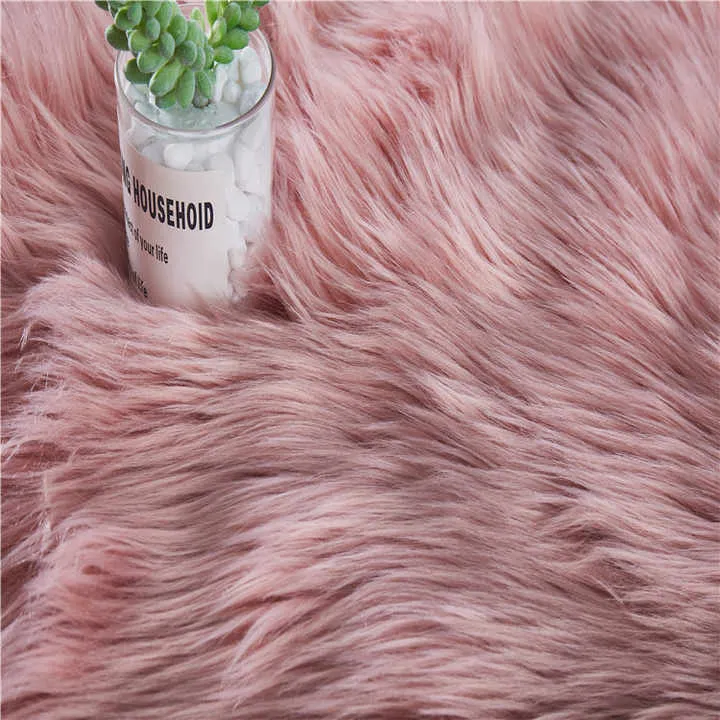
Faux sheepskin runners are synthetic floor coverings designed to mimic the luxurious feel and aesthetic of genuine sheepskin. Positioned within the broader textile and home furnishings industry, these runners serve a primarily decorative and comfort-enhancing function. They are utilized in residential and light commercial settings, offering a soft underfoot experience and a perceived upscale appearance. Core performance characteristics revolve around simulating the thermal insulation, softness, and visual appeal of natural sheepskin, while addressing concerns regarding animal welfare and cost. The manufacture involves complex fiber bonding and surface treatment processes to achieve the desired pile height, density, and texture. Increasingly, performance demands focus on durability, stain resistance, and ease of cleaning, differentiating products based on their constituent materials and manufacturing techniques. Understanding the composition and production of faux sheepskin runners is critical for optimizing performance, addressing common failure modes, and ensuring adherence to relevant safety and environmental standards.
Material Science & Manufacturing
The core material of faux sheepskin runners typically consists of a base layer – often polypropylene (PP), polyester, or a blend – providing structural support. Polypropylene is favored for its cost-effectiveness and resilience, while polyester offers improved stain resistance. Above this base lies a layer of adhesive, typically a hot-melt adhesive based on styrene-butadiene rubber (SBR) or polyurethane (PU), used to bond the pile fibers. The ‘sheepskin’ effect is achieved through the application of high-pile acrylic or modacrylic fibers. Acrylic provides a soft, wool-like texture and good colorfastness, but has lower abrasion resistance. Modacrylic offers enhanced flame retardancy and is often blended with acrylic to balance properties. Manufacturing begins with the extrusion of the base material, followed by coating with the adhesive. Pile fibers are then tufted or woven into the adhesive layer, and the resulting fabric undergoes a shearing process to achieve the desired pile height and density. Further treatments may include brushing to enhance softness, dyeing for aesthetic customization, and application of stain-resistant finishes, such as fluorocarbon-based coatings. Parameter control during extrusion (temperature, die pressure) is crucial for base layer consistency. Adhesive application must be precise to ensure uniform fiber bonding. Fiber denier (fineness) and crimp frequency significantly impact the texture and feel. Dyeing processes require careful control of pH and temperature to avoid fiber degradation and color bleeding.
Performance & Engineering
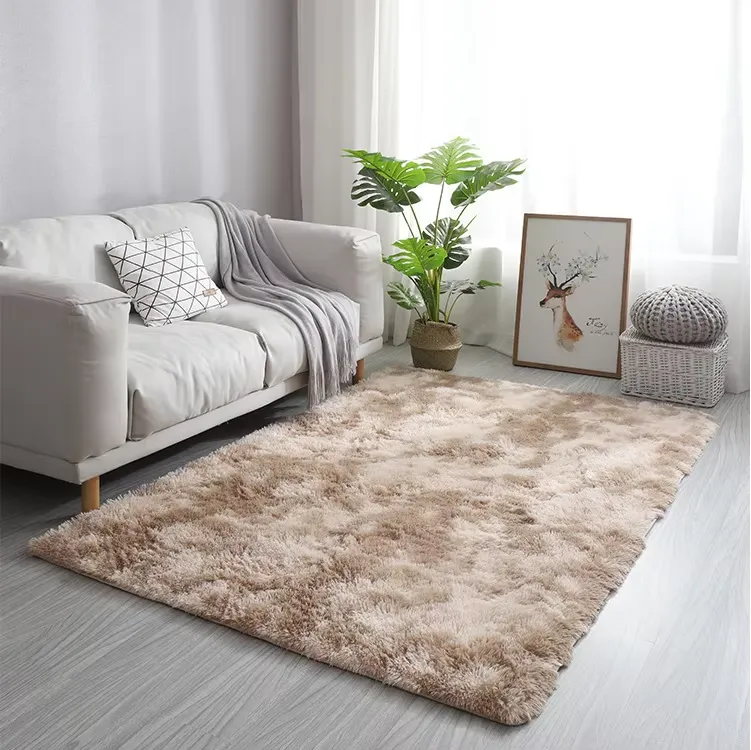
Performance of faux sheepskin runners is evaluated across several key engineering parameters. Compressive strength, determined via ASTM D3574, assesses the runner's ability to withstand sustained pressure without permanent deformation – critical for high-traffic areas. Tensile strength, measured according to ISO 527-1, indicates resistance to tearing and abrasion. Slip resistance is paramount for safety, tested using methods like ASTM D2047. Thermal insulation (R-value) is a major selling point, influenced by pile height, fiber density, and base material thickness. Environmental resistance encompasses resistance to UV degradation (ASTM G154), moisture absorption (ASTM D2047), and fading. Compliance requirements include flammability standards, such as California Technical Bulletin 117 for residential use and NFPA 701 for commercial applications. Functional implementation considerations involve edge finishing (binding, serging) to prevent unraveling, and backing materials (latex, rubber) to enhance grip and prevent slippage on hard surfaces. Force analysis reveals that shear forces are dominant during foot traffic, requiring strong fiber-to-adhesive bonding. Long-term performance necessitates consideration of creep and fatigue behavior under repeated loading.
Technical Specifications
| Parameter | Unit | Typical Range | Test Method |
|---|---|---|---|
| Pile Height | mm | 20-60 | ASTM D3574 |
| Pile Density | g/m² | 800-2000 | ISO 307 |
| Tensile Strength (Warp) | N/50mm | 150-300 | ISO 527-1 |
| Tensile Strength (Weft) | N/50mm | 100-250 | ISO 527-1 |
| Slip Resistance (Static Coefficient of Friction) | - | 0.6-0.8 | ASTM D2047 |
| Flammability (Pass/Fail) | - | Pass (relevant standard) | California TB 117 / NFPA 701 |
Failure Mode & Maintenance
Common failure modes in faux sheepskin runners include fiber shedding, matting, adhesive failure, and discoloration. Fiber shedding typically arises from low-quality fibers or insufficient bonding. Matting results from repeated compression and abrasion, causing fibers to become entangled and lose their loft. Adhesive failure, a critical issue, manifests as delamination of the pile from the base, often triggered by temperature fluctuations or moisture exposure. Discoloration can occur due to UV exposure or staining. Oxidation of the acrylic or polypropylene fibers leads to brittleness and fading over time. Fatigue cracking in the base layer can occur under sustained load. Maintenance involves regular vacuuming to remove loose debris and prevent fiber matting. Spot cleaning with a mild detergent is recommended for stain removal, avoiding harsh chemicals that can damage the fibers. Professional cleaning using dry cleaning methods may be necessary for deep cleaning. Preventive measures include rotating the runner to distribute wear evenly, using rug pads to provide cushioning and reduce abrasion, and avoiding direct sunlight exposure. Repair options for minor delamination include re-applying adhesive, but extensive damage usually necessitates replacement.
Industry FAQ
Q: What is the difference between acrylic and modacrylic fibers used in faux sheepskin runners, and how does it impact performance?
A: Acrylic fibers offer a superior soft hand-feel and excellent colorfastness, making them desirable for aesthetic appeal. However, they exhibit lower abrasion resistance and are more prone to shedding. Modacrylic fibers, conversely, offer enhanced flame retardancy and improved durability but can feel less plush. Often, a blend of acrylic and modacrylic is used to achieve a balance between softness, durability, and safety characteristics. The proportion of each fiber type directly influences the runner’s overall performance and suitability for different applications.
Q: How does the type of adhesive used impact the longevity of the runner, specifically regarding delamination?
A: The adhesive is a critical component, and its performance directly influences the runner’s lifespan. SBR-based adhesives are cost-effective but can become brittle over time, leading to delamination, especially with temperature fluctuations. Polyurethane (PU) adhesives offer superior flexibility and adhesion, providing better resistance to cracking and delamination. The quality and application technique of the adhesive are equally important; insufficient or uneven application compromises bonding strength.
Q: What stain resistance treatments are commonly used, and what are their limitations?
A: Fluorocarbon-based coatings are widely used to impart stain resistance to faux sheepskin runners. These coatings create a barrier that prevents liquids from penetrating the fibers. However, fluorocarbon treatments can wear off over time with repeated cleaning and abrasion. Furthermore, certain solvents and aggressive cleaning agents can degrade the coating. Newer, more durable stain-resistant technologies are emerging, but they often come at a higher cost.
Q: How does UV exposure affect the performance and appearance of these runners, and what mitigation strategies are recommended?
A: Prolonged UV exposure causes fading and degradation of the acrylic or polypropylene fibers, leading to discoloration and reduced strength. UV radiation breaks down the polymer chains, causing brittleness and loss of elasticity. Mitigation strategies include minimizing direct sunlight exposure, using window coverings, and selecting runners treated with UV stabilizers. Darker colors generally exhibit better UV resistance than lighter shades.
Q: What are the key differences between tufted and woven faux sheepskin runners, and how do these manufacturing methods impact durability and cost?
A: Tufted runners involve inserting fibers through a primary backing material, creating a pile surface. This method is generally more cost-effective and allows for higher pile heights. However, tufted runners are often less durable and prone to shedding. Woven runners, on the other hand, are created by interlacing fibers, resulting in a more robust and tightly constructed fabric. Woven runners offer superior durability and dimensional stability but are more expensive to manufacture and typically have lower pile heights.
Conclusion
Faux sheepskin runners represent a viable alternative to genuine sheepskin, offering a combination of aesthetic appeal, comfort, and cost-effectiveness. Understanding the interplay between material science, manufacturing processes, and performance characteristics is paramount for selecting the appropriate runner for a given application. The choice of fiber type (acrylic, modacrylic, or blends), adhesive formulation, and manufacturing method (tufted vs. woven) significantly impacts the runner's durability, stain resistance, and overall lifespan.
Future advancements are likely to focus on developing more sustainable materials, enhancing stain resistance through nanotechnology, and improving manufacturing techniques to reduce production costs and environmental impact. Optimizing the balance between performance, cost, and aesthetics will remain a key driver of innovation in this segment of the textile industry. Careful consideration of potential failure modes and implementation of appropriate maintenance practices are essential for maximizing the service life of faux sheepskin runners.