


faux sheepskin throw Performance Analysis
Introduction
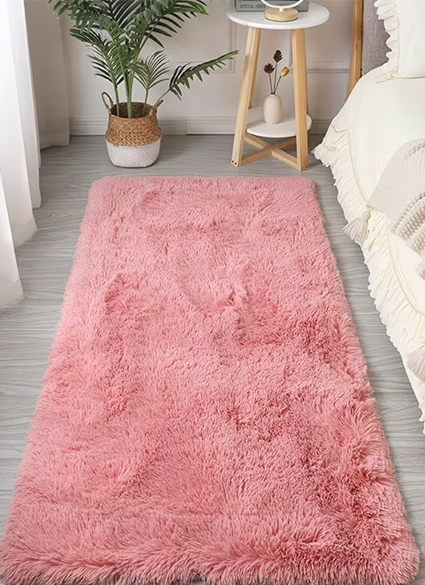
Faux sheepskin throws, also known as synthetic sheepskin throws, are textile products designed to mimic the appearance and tactile sensation of genuine sheepskin. Positioned within the home textiles industry, they serve as decorative and functional elements providing warmth, comfort, and aesthetic appeal. Unlike natural sheepskin, these throws utilize manufactured fibers, typically acrylic, polyester, or modacrylic, offering a cost-effective and animal-friendly alternative. Core performance characteristics center around thermal insulation, durability, ease of maintenance, and aesthetic fidelity to natural sheepskin. The market demands consistent pile height, colorfastness, and resistance to shedding, demanding stringent quality control in manufacturing. A key differentiating factor is the ability to tailor fiber blends and manufacturing processes to achieve specific performance targets, making faux sheepskin throws versatile for diverse applications – from bedding and furniture accents to baby products and automotive interiors.
Material Science & Manufacturing
The foundation of faux sheepskin lies in synthetic fiber technology. Predominantly, acrylic and polyester fibers are employed, selected for their ability to replicate the texture and bulk of natural wool. Acrylic fibers, derived from acrylonitrile through polymerization, offer a softer hand feel and superior warmth retention but exhibit lower abrasion resistance compared to polyester. Polyester, a thermoplastic polymer formed from ethylene glycol and terephthalic acid, provides excellent durability, wrinkle resistance, and colorfastness. Modacrylic fibers, a copolymer of acrylonitrile and methyl acrylate, are often blended to improve flame retardancy and enhance the softness of the final product. Manufacturing typically involves a knitting or weaving process to create a fabric base, followed by a specialized pile formation technique. This can include lock-needling, where fibers are interlocked into the base fabric using barbed needles, or cut-pile weaving, where loops of yarn are cut to create a dense, plush surface. Key parameter control during manufacturing focuses on fiber denier (fineness), pile height, pile density, and yarn twist. Dyeing and finishing processes utilize specialized techniques to achieve realistic color variations and enhance the softness and suppleness of the faux sheepskin. The backing material, usually a non-woven fabric like polypropylene or canvas, provides structural integrity and prevents shedding. Careful control of backing adhesion is crucial for long-term performance.
Performance & Engineering
The performance of faux sheepskin throws is critically evaluated across several key engineering parameters. Thermal insulation, quantified by the R-value (thermal resistance), depends on fiber type, pile height, and density. Polyester generally provides lower insulation than acrylic. Tensile strength, measured according to ASTM D4157, determines the fabric's resistance to tearing and is impacted by the weave or knit structure and fiber tenacity. Abrasion resistance, assessed using the Martindale test (ISO 12947-2), reflects the fabric's durability under repeated friction – a vital consideration for high-traffic areas. Colorfastness to light, washing, and crocking (rubbing) is evaluated according to AATCC standards (American Association of Textile Chemists and Colorists) to ensure long-lasting aesthetic appeal. Environmental resistance encompasses flammability (tested per FAR 25.853 for aviation applications, if relevant), resistance to mildew and mold growth (ASTM G21), and UV degradation. For applications involving direct skin contact, hypoallergenic properties are paramount, requiring adherence to OEKO-TEX Standard 100 guidelines. Pile retention is another critical factor, assessed through visual inspection and laboratory tests to determine the extent of fiber loss over time and after repeated use. Force analysis during manufacturing includes tension control within the knitting/weaving process to prevent fabric distortion and ensure dimensional stability.
Technical Specifications
| Parameter | Acrylic Fiber (Typical) | Polyester Fiber (Typical) | Modacrylic Fiber (Typical) |
|---|---|---|---|
| Denier (dtex) | 1.5 – 3 | 1 – 2.5 | 1 – 3 |
| Pile Height (mm) | 20 – 40 | 15 – 30 | 25 – 35 |
| Pile Density (g/m²) | 200 – 400 | 150 – 300 | 220 – 380 |
| Tensile Strength (N/50mm) | 8 – 15 | 12 – 20 | 6 – 12 |
| Abrasion Resistance (Martindale cycles) | 5,000 – 10,000 | 15,000 – 25,000 | 8,000 – 15,000 |
| Flammability (Oxygen Index %) | 18 – 22 | 20 – 24 | 24 – 28 |
Failure Mode & Maintenance
Faux sheepskin throws are susceptible to several failure modes. Fiber shedding is a common issue, particularly during initial use and after repeated washing, stemming from inadequate fiber anchorage within the base fabric. Pile crush, characterized by a reduction in loft and softness, occurs due to compression and wear, impacting thermal insulation. Matting and tangling of fibers, resulting from friction and physical stress, degrades the aesthetic appearance and tactile feel. Color fading, caused by prolonged exposure to UV radiation, compromises the visual appeal. Hydrolytic degradation of polyester fibers, accelerated by exposure to moisture and heat, leads to a loss of strength and elasticity. Delamination of the pile from the backing fabric can occur due to poor adhesion or mechanical stress. Maintenance protocols should include regular vacuuming with a soft brush attachment to remove dust and debris. Machine washing is generally permissible, but cold water and a gentle cycle are recommended to minimize fiber damage and color loss. Avoid harsh detergents, bleach, and fabric softeners. Tumble drying on a low heat setting or air drying is preferred. Periodic brushing with a wire brush can help restore pile loft. Promptly address spills to prevent staining and discoloration. Proper storage, away from direct sunlight and moisture, is crucial for long-term preservation.
Industry FAQ
Q: What is the primary difference in durability between acrylic and polyester faux sheepskin throws?
A: Polyester generally exhibits superior abrasion resistance and tensile strength compared to acrylic. This means polyester throws are better suited for high-traffic areas and withstand repeated use with less fiber breakdown. However, acrylic provides a softer hand feel and better thermal insulation.
Q: How does the pile height affect the thermal performance of a faux sheepskin throw?
A: Generally, a higher pile height traps more air, increasing thermal resistance (R-value) and improving insulation. However, very high pile heights can be prone to matting and may require more frequent maintenance. The optimal pile height depends on the intended application and desired balance between comfort and durability.
Q: What standards are relevant to assessing the flammability of faux sheepskin throws?
A: Several standards are relevant. FAR 25.853 is crucial for aviation applications. For general household use, standards like NFPA 701 (Standard Methods for Fire Tests for Flame-Propagating Characteristics of Textiles and Films) and California Technical Bulletin 117 are commonly referenced. Modacrylic fiber blends are often used to improve flame retardancy.
Q: How can I minimize fiber shedding in a newly purchased faux sheepskin throw?
A: Initial shedding is common. Regular vacuuming with a soft brush attachment for the first few weeks can help remove loose fibers. Avoid excessive washing during the initial period. Consider a gentle pre-wash with a mild detergent to help lock in loose fibers.
Q: What is the impact of UV exposure on the longevity of a faux sheepskin throw?
A: Prolonged UV exposure can cause color fading and degradation of the fibers, particularly in acrylic materials. Storing the throw away from direct sunlight when not in use is crucial. UV protectant finishes can be applied during manufacturing to enhance resistance, but these will eventually diminish over time.
Conclusion
Faux sheepskin throws represent a versatile and cost-effective alternative to natural sheepskin, offering a compelling combination of aesthetic appeal, thermal comfort, and ease of maintenance. The selection of appropriate fiber blends – acrylic, polyester, or modacrylic – and meticulous control of manufacturing parameters are critical to achieving desired performance characteristics. Understanding the inherent failure modes, such as fiber shedding, pile crush, and UV degradation, is essential for implementing effective maintenance protocols and maximizing product lifespan.
Continued innovation in fiber technology and manufacturing processes will further enhance the performance and sustainability of faux sheepskin throws. Future developments may focus on utilizing recycled fibers, improving flame retardancy without compromising softness, and developing more durable pile retention techniques. A comprehensive understanding of material science, engineering principles, and relevant industry standards is paramount for both manufacturers and consumers to ensure optimal product selection and long-term satisfaction.