


faux skin rug Performance Analysis
Introduction
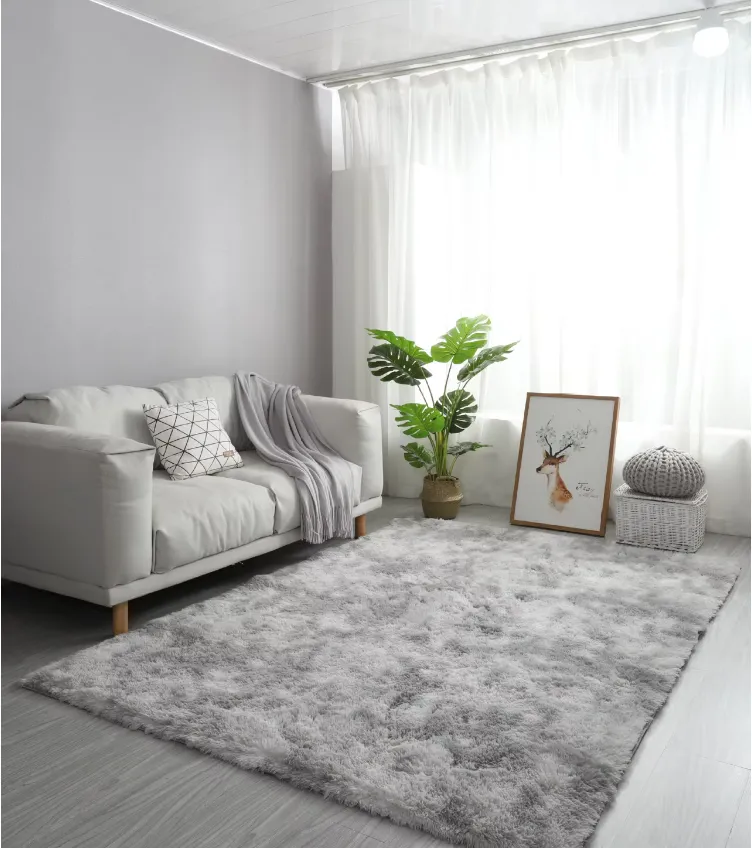
Faux skin rugs, also known as synthetic sheepskin rugs, are floor coverings designed to replicate the aesthetic and tactile qualities of genuine sheepskin. Unlike natural sheepskin, these rugs are constructed from manufactured fibers, primarily acrylic, polyester, or a blend thereof. Positioned within the broader textile and home furnishings industry, faux skin rugs represent a cost-effective and ethically sourced alternative, serving a significant market segment driven by aesthetic preference, animal welfare concerns, and ease of maintenance. Core performance characteristics include pile density, fiber durability, stain resistance, and thermal insulation. A critical industry pain point revolves around achieving a realistic texture and appearance comparable to natural sheepskin while maintaining long-term resilience and colorfastness, particularly under consistent foot traffic and cleaning regimes. The manufacturing process and resultant product properties directly impact perceived value and longevity.
Material Science & Manufacturing
The foundational materials of faux skin rugs dictate their performance and aesthetic qualities. Acrylic fibers, commonly employed due to their wool-like texture and affordability, exhibit good resistance to sunlight and moths but possess relatively lower abrasion resistance compared to polyester. Polyester, conversely, boasts superior durability and resilience, maintaining shape and resisting crushing, but can exhibit a less-natural feel. Blends of acrylic and polyester attempt to leverage the benefits of both. The base material is typically a woven or non-woven polypropylene backing, providing structural integrity and preventing unraveling. Manufacturing commences with fiber extrusion – melting the polymer (acrylic or polyester) and forcing it through spinnerets to create filaments. These filaments are then crimped to enhance bulk and simulate natural fiber waviness. The crimped fibers are subsequently tufted or woven into a backing material, creating the rug pile. Pile density, measured in ounces per square yard (oz/yd²), is a critical parameter. A higher pile density generally translates to a plusher, more luxurious feel. Following tufting or weaving, the rug undergoes shearing to achieve a consistent pile height and aesthetic. Dyeing processes, employing acrylic or disperse dyes depending on the fiber composition, impart color. Quality control involves assessing colorfastness to washing and light exposure (ISO 105 standards), pile retention, and dimensional stability. Parameter control during extrusion (temperature, flow rate) and tufting/weaving (stitch rate, yarn tension) are paramount for consistent product quality.

Performance & Engineering
Performance evaluation of faux skin rugs centers on several key engineering considerations. Abrasion resistance, measured using the Taber Abraser (ASTM D4966), determines the rug's ability to withstand foot traffic without significant fiber breakdown. Pile compression resistance is crucial for maintaining a luxurious feel over time; testing involves applying a defined load and measuring the resulting pile height reduction. Tensile strength of the backing material, assessed via ASTM D751, ensures structural integrity and prevents tearing. Environmental resistance encompasses evaluating colorfastness to light (ASTM D1654), wash fastness (ISO 105 C06), and resistance to common household chemicals (stain resistance). Flammability testing (ASTM D2859) is essential for compliance with safety regulations. Furthermore, thermal insulation (R-value) is a performance attribute, particularly important for rugs intended for use in colder climates. The R-value is influenced by pile height, density, and fiber type. From an engineering perspective, achieving a balance between cost, durability, and aesthetic appeal presents a significant challenge. The structural integrity of the rug is dependent on the adhesion between the pile fibers and the backing. Delamination, a common failure mode, can be mitigated through the use of robust adhesives and optimized tufting/weaving processes.
Technical Specifications
| Parameter | Acrylic Fiber Rug | Polyester Fiber Rug | Acrylic/Polyester Blend (80/20) |
|---|---|---|---|
| Pile Height (mm) | 20-60 | 20-60 | 25-65 |
| Pile Density (oz/yd²) | 800-1200 | 1000-1500 | 900-1300 |
| Abrasion Resistance (Taber Cycles to Moderate Wear) | 300-500 | 500-800 | 400-600 |
| Tensile Strength (Backing - lbs/in) | 60-80 | 70-90 | 65-85 |
| Colorfastness to Light (Rating 1-5, 5=Excellent) | 4 | 4-5 | 4-5 |
| Flammability (Pass/Fail - ASTM D2859) | Pass | Pass | Pass |
Failure Mode & Maintenance
Faux skin rugs are susceptible to several failure modes. Fiber shedding is a common occurrence, particularly in acrylic rugs, resulting from abrasion and fiber breakage. Pile crushing, caused by prolonged compression, reduces the rug's plushness and aesthetic appeal. Delamination, the separation of the pile from the backing, is often a result of adhesive failure or inadequate tufting/weaving. Color fading, due to UV exposure, can significantly alter the rug's appearance. Staining, while typically easier to address in synthetic fibers than in natural wool, can occur with oil-based or deeply pigmented substances. Oxidation, although slower than in natural fibers, can lead to brittleness and discoloration over extended periods. Maintenance protocols are crucial for maximizing longevity. Regular vacuuming (at least twice weekly) removes dirt and debris that contribute to abrasion. Spot cleaning with a mild detergent and water is recommended for spills. Avoid harsh chemicals and excessive moisture. Professional cleaning, utilizing dry cleaning methods or low-moisture extraction, is advisable every 12-18 months. Rotation of the rug can distribute wear more evenly, mitigating localized crushing. To prevent delamination, avoid aggressive scrubbing during cleaning. Proper storage in a cool, dry environment when not in use minimizes the risk of oxidation and mildew growth.
Industry FAQ
Q: What is the primary difference in durability between acrylic and polyester faux skin rugs?
A: Polyester generally exhibits superior abrasion resistance and resilience compared to acrylic. Acrylic fibers tend to pill and shed more readily under consistent foot traffic, while polyester maintains its shape and texture for a longer duration. However, acrylic offers a softer, more wool-like feel initially.
Q: How does the pile density impact the overall performance and cost of a faux skin rug?
A: Higher pile densities contribute to a plusher, more luxurious feel and increased thermal insulation. However, a higher pile density requires more fiber, consequently increasing the manufacturing cost. It also impacts the vacuuming frequency required to maintain a clean appearance.
Q: What is the best method for removing oil-based stains from a faux skin rug?
A: Gently blot the stain with a clean cloth to remove excess oil. Apply a small amount of dish soap diluted in water, and gently work it into the stain with a soft brush. Rinse thoroughly with clean water and blot dry. Avoid using harsh solvents, as these can damage the fibers.
Q: What backing materials are typically used, and how does the backing influence the rug's longevity?
A: Polypropylene is the most common backing material due to its cost-effectiveness and durability. However, latex or rubber backings are sometimes used for added grip. A high-quality backing material, properly adhered to the pile, is crucial for preventing delamination and ensuring the rug maintains its structural integrity over time.
Q: Are faux skin rugs considered environmentally friendly compared to genuine sheepskin?
A: Faux skin rugs eliminate the ethical concerns associated with animal welfare inherent in sheepskin production. However, the production of synthetic fibers relies on petrochemicals. Assessing the overall environmental impact requires considering factors such as fiber sourcing, manufacturing processes, and end-of-life recyclability, which are continuously evolving.
Conclusion
Faux skin rugs represent a versatile and increasingly sophisticated segment of the floor coverings market. Their performance is fundamentally linked to the material science of the constituent fibers – acrylic, polyester, or their blends – and the precision of the manufacturing processes employed. Understanding parameters like pile density, abrasion resistance, and colorfastness is critical for evaluating quality and predicting longevity. Addressing the challenges of replicating the tactile experience of natural sheepskin while ensuring durability and environmental responsibility remains a key focus for manufacturers.
The future of faux skin rug technology will likely involve advancements in fiber engineering, such as the development of bio-based synthetic fibers and improved fiber crimping techniques to enhance texture and appearance. Sustainable manufacturing practices, including reduced water consumption and waste generation, will gain increasing importance. Furthermore, innovations in backing materials and adhesive technologies will contribute to enhanced structural integrity and reduced delamination risk. Continued refinement in these areas will solidify the position of faux skin rugs as a viable and attractive alternative to genuine sheepskin.