

faux wool rug Technical Analysis
Introduction
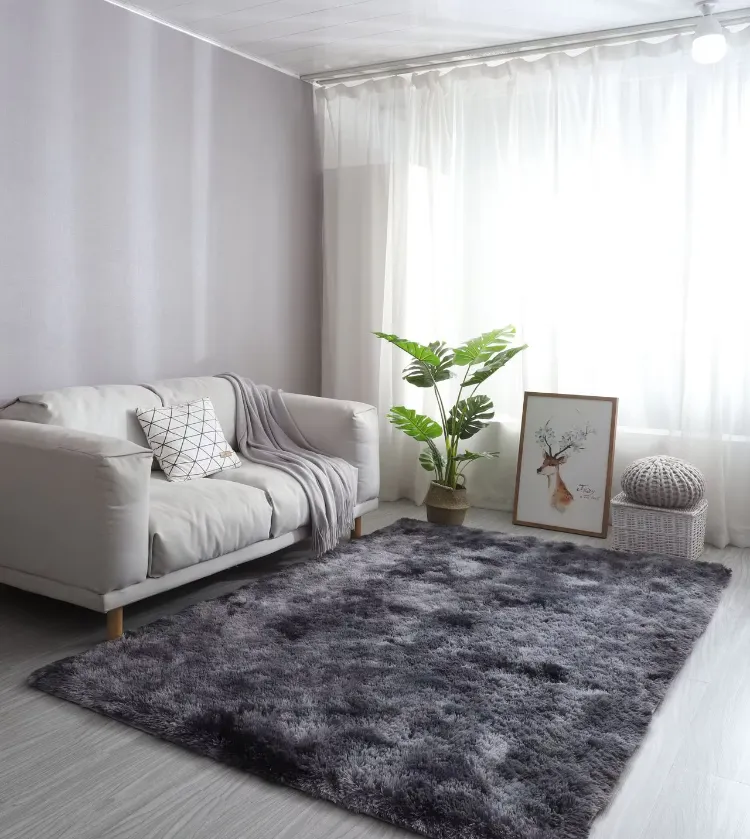
Faux wool rugs, also known as synthetic wool rugs, represent a significant category within the floor covering industry. These rugs are manufactured to mimic the aesthetic and tactile qualities of genuine wool, utilizing materials such as polypropylene, polyester, and acrylic fibers. Positioned as a cost-effective and often more durable alternative to natural wool, faux wool rugs serve both residential and commercial applications. Their primary performance characteristics center around providing warmth, comfort, and aesthetic appeal while mitigating concerns related to allergies, shedding, and high maintenance costs associated with natural wool. The increasing demand for sustainable and easily maintained flooring solutions has driven considerable growth within the faux wool rug sector, creating a need for detailed understanding of their material science, manufacturing processes, and long-term performance capabilities. A core industry pain point is achieving a realistic wool-like texture and appearance while balancing durability, stain resistance, and cost-effectiveness. This guide provides an in-depth technical overview of faux wool rugs, encompassing their composition, production, performance, failure modes, and relevant industry standards.
Material Science & Manufacturing
The foundation of faux wool rug manufacturing lies in the selection and processing of synthetic polymers. Polypropylene (PP), a thermoplastic polymer produced through the polymerization of propylene, is the most prevalent material due to its inherent stain resistance, affordability, and ability to be textured to resemble wool fibers. Polyester (PET), derived from ethylene glycol and terephthalic acid, offers enhanced softness and color retention but generally exhibits lower resilience than PP. Acrylic fibers, a copolymer of acrylonitrile and methyl acrylate, are known for their wool-like hand feel and excellent dyeability.
Manufacturing typically begins with polymer extrusion, where molten polymer is forced through spinnerets to create continuous filaments. These filaments undergo stretching and crimping to enhance bulk and create a more textured surface. The fibers are then cut to a specific length, typically ranging from 30-50mm, and undergo a heat-setting process to stabilize their shape and prevent deformation.
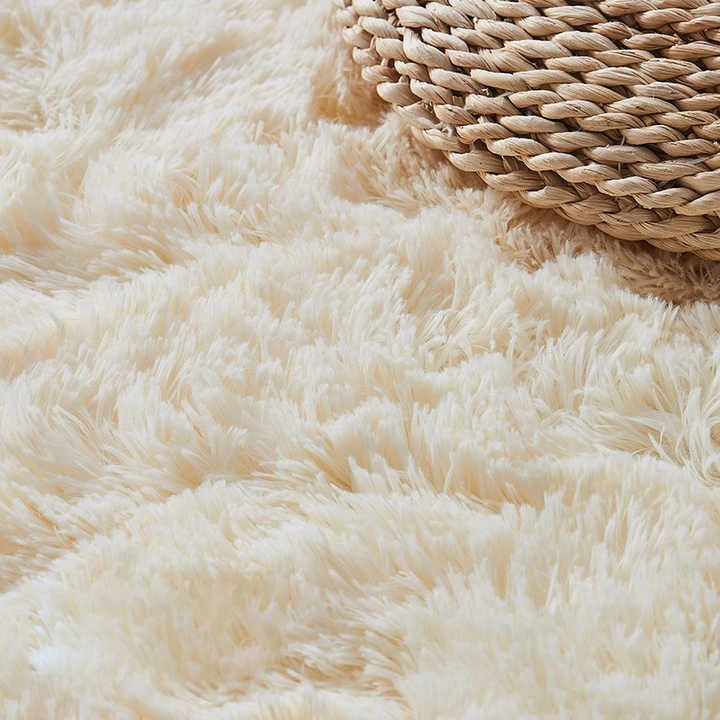
Rug construction methods vary. Tufting, the most common technique, involves inserting fibers through a primary backing material, typically polypropylene, using needles. The primary backing is then coated with a layer of adhesive and a secondary backing, often made of jute or synthetic materials, is applied for added stability and durability. Woven faux wool rugs, though less common due to higher production costs, offer superior durability and intricate designs. These are manufactured on looms, interweaving warp and weft yarns to create a dense and robust fabric. Key parameters controlling the final product quality include polymer molecular weight (influencing fiber strength), denier (fiber thickness impacting softness), yarn twist (affecting pile definition), and backing adhesive composition (determining long-term adhesion and stability). Process control of these parameters is critical to achieving the desired performance characteristics and minimizing manufacturing defects.
Performance & Engineering
The performance of faux wool rugs is assessed through a variety of engineering metrics. Abrasion resistance, measured using methods like the Taber Abraser test (ASTM D3886), is crucial for evaluating the rug's ability to withstand foot traffic and maintain its appearance. Tensile strength, determined according to ASTM D2256, indicates the rug's resistance to tearing and stretching under load. Pile compression recovery, assessed via dynamic indentation testing, reflects the rug's ability to retain its thickness and resilience after repeated compression. Environmental resistance is another key factor. Faux wool rugs are generally resistant to mildew and moth damage, unlike natural wool, but can be susceptible to UV degradation, causing fading and fiber embrittlement, especially in outdoor applications.
Stain resistance is a significant performance advantage of many faux wool rugs, particularly those made from polypropylene. However, oil-based stains can be more difficult to remove than water-based stains. Flammability is a critical safety consideration. Faux wool rugs typically undergo flammability testing according to standards like DOC-FF1-70 (US Federal Flammability Standard) and EN 13501-1 (European Classification System). Compliance with these standards is essential for ensuring consumer safety and market access. Force analysis during foot traffic simulates the stress distribution within the rug structure. Finite element analysis (FEA) can be employed to optimize backing material and fiber density to minimize wear and deformation.
Technical Specifications
| Parameter | Polypropylene (PP) | Polyester (PET) | Acrylic | Wool (Comparative) |
|---|---|---|---|---|
| Fiber Density (g/cm³) | 0.90 - 0.92 | 1.38 | 1.14 - 1.18 | 1.32 |
| Tensile Strength (MPa) | 40 - 70 | 60 - 80 | 45 - 65 | 100 - 200 |
| Abrasion Resistance (Cycles to Failure) | 50,000 - 100,000 | 30,000 - 60,000 | 20,000 - 40,000 | 150,000+ |
| Moisture Absorption (%) | 0.1 - 0.5 | 0.4 - 0.8 | 1.0 - 2.0 | 15-18 |
| UV Resistance (Rating 1-5, 5=Excellent) | 2-3 | 3-4 | 2-3 | 4-5 |
| Cost per kg (USD) | $2 - $4 | $3 - $6 | $4 - $8 | $15 - $30 |
Failure Mode & Maintenance
Faux wool rugs are susceptible to several failure modes. Delamination, the separation of the pile from the backing, is a common issue, often caused by adhesive failure due to moisture exposure or inadequate adhesive application. Fiber shedding, while less pronounced than with natural wool, can occur due to abrasion and wear. Crushing of the pile fibers, leading to a loss of resilience and aesthetic appeal, results from prolonged compression. UV degradation can cause fading and embrittlement of the fibers, particularly in rugs exposed to direct sunlight. Oxidation, triggered by exposure to air and light, can contribute to fiber discoloration and weakening.
Regular vacuuming is essential for removing loose dirt and debris, preventing abrasive wear. Spot cleaning with a mild detergent and water is recommended for spills, avoiding harsh chemicals that can damage the fibers. Professional cleaning, using appropriate extraction methods, should be performed periodically to remove deeply embedded dirt and restore pile loft. To mitigate delamination, avoid excessive moisture exposure and use rug pads to provide cushioning and reduce stress on the backing. For UV protection, rotating the rug periodically or using window coverings can help minimize fading. Regular inspection for wear and tear allows for timely repairs, extending the rug's lifespan. Addressing issues promptly, like re-gluing loose areas, prevents minor problems from escalating into significant failures.
Industry FAQ
Q: What is the primary difference in durability between polypropylene and polyester faux wool rugs?
A: Polypropylene generally exhibits superior abrasion resistance and is less prone to crushing under heavy foot traffic compared to polyester. Polyester, while softer and offering better color retention, tends to flatten more quickly and shows wear more visibly over time. Therefore, for high-traffic areas, polypropylene is typically the preferred choice.
Q: How does the backing material affect the overall performance and longevity of a faux wool rug?
A: The backing material provides structural support and stability. A high-quality backing, typically made from durable polypropylene or a combination of synthetic and natural fibers like jute, significantly enhances the rug’s lifespan. Proper adhesion between the pile and backing is crucial; inadequate adhesion leads to delamination. The density and weight of the backing also contribute to the rug’s overall feel and performance.
Q: What are the limitations of faux wool rugs regarding stain resistance compared to genuine wool?
A: While polypropylene-based faux wool rugs offer excellent resistance to water-based stains, they can be more susceptible to oil-based stains which penetrate the fibers more readily. Genuine wool contains lanolin, a natural oil that provides inherent stain repellency. Prompt treatment of stains with appropriate cleaning agents is crucial for both faux and real wool rugs, but faux wool often requires more aggressive cleaning for oil-based spills.
Q: What flammability standards are commonly applied to faux wool rugs, and how do they impact material selection?
A: Commonly applied flammability standards include DOC-FF1-70 in the US and EN 13501-1 in Europe. These standards dictate requirements for flame spread and smoke development. Material selection is heavily influenced by these standards; polypropylene, for example, is inherently flame retardant, while polyester may require the addition of flame retardant additives to meet regulatory requirements.
Q: Can faux wool rugs be effectively cleaned using steam cleaning methods?
A: Steam cleaning is generally not recommended for most faux wool rugs, particularly those made of polypropylene. The high heat can cause the fibers to melt or distort, leading to irreversible damage. Dry cleaning or extraction cleaning with cool water and a mild detergent are the preferred methods. Always check the manufacturer’s cleaning instructions before attempting any cleaning method.
Conclusion
Faux wool rugs represent a versatile and cost-effective alternative to natural wool, offering a balance of aesthetic appeal, durability, and ease of maintenance. Their manufacturing relies on sophisticated polymer processing techniques and careful control of key parameters like fiber denier, yarn twist, and backing adhesion. While exhibiting limitations in certain performance areas, such as UV resistance and inherent stain repellency, advancements in material science and manufacturing processes are continually improving their performance characteristics. A thorough understanding of the material properties, manufacturing processes, and potential failure modes is crucial for selecting the appropriate faux wool rug for a given application.
The future of faux wool rug technology will likely focus on developing more sustainable and environmentally friendly materials, enhancing UV resistance through fiber coatings and additives, and improving the realism of the wool-like texture. The integration of smart technologies, such as embedded sensors for monitoring wear and tear, may also emerge. Continued adherence to stringent industry standards and quality control measures will be paramount in ensuring the long-term performance and reliability of these increasingly popular floor coverings.