


Floor Rugs Material Science and Performance Analysis

Introduction
Floor rugs represent a critical component in interior design and functional flooring systems. Categorized by construction, material composition, and intended application, they serve not only aesthetic purposes but also provide essential properties such as thermal insulation, acoustic dampening, and impact absorption. The rug industry encompasses a diverse range of products, from hand-knotted Persian rugs utilizing natural fibers to mass-produced synthetic pile carpets. This guide provides an in-depth technical analysis of different rug types, focusing on material science, manufacturing processes, performance characteristics, failure modes, and relevant industry standards. The selection of an appropriate rug type is driven by factors including foot traffic volume, environmental conditions, desired lifespan, budget constraints, and specific performance requirements for residential, commercial, and industrial applications. Core industry challenges include maintaining consistent material quality, optimizing manufacturing efficiency, and ensuring durability in high-wear environments.
Material Science & Manufacturing
Rug construction fundamentally relies on the properties of both the pile fiber and the backing material. Common pile fibers include wool, nylon, polypropylene (olefin), polyester, and acrylic. Wool, a natural protein fiber, offers excellent resilience, inherent flame resistance, and moisture absorption, but is susceptible to moth damage and relatively expensive. Nylon demonstrates superior abrasion resistance and strength, making it ideal for high-traffic areas. Polypropylene is cost-effective, stain-resistant, and suitable for both indoor and outdoor applications but exhibits lower resilience and heat sensitivity. Polyester provides good color clarity and stain resistance but lacks the durability of nylon. Acrylic offers a wool-like feel at a lower cost, but possesses limited abrasion resistance. Backing materials commonly include jute, polypropylene, and synthetic latex. Jute is a natural fiber providing structural support, but is vulnerable to moisture degradation. Polypropylene backings are moisture-resistant and durable. Manufacturing processes vary significantly based on rug type. Hand-knotted rugs involve intricate weaving techniques requiring skilled artisans. Tufted rugs are produced by inserting pile fibers through a primary backing using needles, followed by secondary backing application. Woven rugs are created by interlacing warp and weft yarns, offering high durability. Needle-punch rugs utilize barbed needles to interlock fibers, resulting in a non-woven construction commonly used for industrial mats. Parameter control during manufacturing is crucial, encompassing fiber density, yarn twist, gauge (stitches per inch), and backing adhesion. Consistent quality requires stringent monitoring of these variables. For example, precise control of dye uptake during fiber coloration prevents uneven fading and ensures colorfastness.
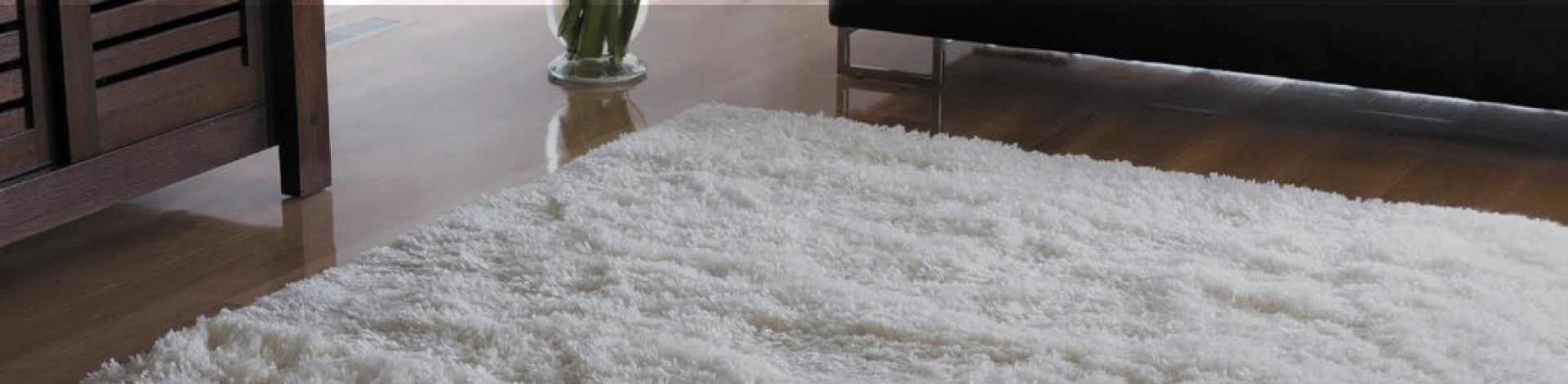
Performance & Engineering
Rug performance is dictated by a combination of factors including pile height, density, fiber crimp, and backing structure. Force analysis considers compressive strength (resistance to flattening under load), tensile strength (resistance to pulling forces), and shear strength (resistance to lateral forces). Higher pile heights generally provide greater comfort but are more prone to matting and wear. Fiber density directly correlates with durability and resilience. Environmental resistance is a critical consideration. Exposure to ultraviolet (UV) radiation can cause fading and degradation of synthetic fibers. Moisture absorption can lead to mold and mildew growth, particularly in natural fiber rugs. Rugs used in commercial environments must meet fire safety regulations, requiring inherent flame resistance or treatment with flame retardants. Compliance requirements are stringent. The Americans with Disabilities Act (ADA) mandates that floor surfaces, including rugs, must be stable, firm, and slip-resistant to ensure accessibility for individuals with disabilities. Coefficient of friction (COF) testing is used to assess slip resistance. Rug installation methods, such as direct glue-down, double-sided tape, or rug pads, impact overall performance and longevity. Improper installation can lead to buckling, shifting, and premature wear. For instance, a rug pad not only provides cushioning but also prevents direct contact between the rug and the floor, reducing abrasion and prolonging lifespan.
Technical Specifications
| Rug Type | Primary Fiber Material | Pile Height (mm) | Density (stitches/inch²) | Moisture Absorption (%) | Abrasion Resistance (cycles to wear) |
|---|---|---|---|---|---|
| Hand-Knotted Persian | Wool | 5-20 | 100-500 | 30-40 | 20,000-100,000 |
| Tufted Nylon | Nylon 6,6 | 8-15 | 80-300 | 1-2 | 50,000-200,000 |
| Polypropylene (Olefin) | Polypropylene | 3-10 | 60-200 | 0.1-0.5 | 20,000-80,000 |
| Polyester Shag | Polyester | 20-40 | 50-150 | 0.5-1 | 15,000-50,000 |
| Acrylic Cut Pile | Acrylic | 10-18 | 70-250 | 2-3 | 10,000-40,000 |
| Needle-Punch Jute | Jute | 2-5 | N/A (Non-woven) | 60-70 | 5,000-20,000 |
Failure Mode & Maintenance
Common failure modes in floor rugs include pile crushing, fiber shedding, color fading, delamination (separation of backing), and staining. Pile crushing results from prolonged compressive stress, leading to a loss of resilience and aesthetic appeal. Fiber shedding is inherent in cut-pile constructions, but excessive shedding indicates fiber degradation or poor manufacturing quality. Color fading is caused by UV exposure and can be mitigated by using UV-stabilized fibers or limiting direct sunlight exposure. Delamination occurs when the adhesive bond between the pile and backing fails, often due to moisture intrusion or adhesive degradation. Staining is a frequent issue, particularly with natural fiber rugs, and requires prompt attention with appropriate cleaning agents. Maintenance strategies vary based on rug type. Regular vacuuming removes dirt and debris, preventing abrasive wear. Professional cleaning, utilizing hot water extraction or dry cleaning methods, is recommended periodically. For wool rugs, mothproofing treatments are essential. Spot cleaning should be performed immediately to prevent stains from setting. Rotation of rugs helps distribute wear evenly. Repair options include re-tufting damaged areas, re-gluing delaminated backing, and color restoration. Preventative measures, such as using rug pads and entrance mats, can significantly extend rug lifespan.
Industry FAQ
Q: What is the optimal pile height for a high-traffic commercial entrance?
A: For high-traffic commercial entrances, a low pile height (3-6mm) is recommended. This minimizes compression, reduces the accumulation of dirt and debris, and enhances ease of cleaning. A durable fiber like nylon is also crucial to withstand the constant abrasion.
Q: How does the backing material affect a rug’s suitability for use over radiant floor heating?
A: Rugs used over radiant floor heating must have a backing material that is heat-resistant and allows for efficient heat transfer. Jute backings are generally not recommended, as they can degrade with prolonged exposure to heat. Polypropylene or synthetic latex backings are more suitable, but it’s essential to check the manufacturer’s specifications to confirm compatibility.
Q: What are the key considerations for selecting a rug with low volatile organic compound (VOC) emissions?
A: When selecting a rug with low VOC emissions, look for certifications such as CRI Green Label Plus or Label PLUS. These certifications verify that the rug has been tested and meets stringent VOC emission standards. Also, consider rugs made from natural fibers like wool, which generally have lower VOC levels than synthetic materials.
Q: How can the abrasion resistance of a rug be objectively assessed?
A: Abrasion resistance is typically assessed using the Taber Abraser test (ASTM D4157). This test measures the weight loss of the rug pile after a specified number of abrasive cycles. Higher weight loss indicates lower abrasion resistance. The test results are reported in cycles to wear.
Q: What is the significance of rug density (stitches per square inch) in determining its durability?
A: Rug density is a crucial indicator of durability. A higher stitch density generally translates to a more tightly woven rug with greater resistance to wear and tear. More stitches per square inch mean more fibers are holding the structure together, reducing the likelihood of fiber shedding and pile deformation.
Conclusion
The selection of a floor rug necessitates a comprehensive understanding of material properties, manufacturing techniques, and performance characteristics. Different rug types offer varying levels of durability, comfort, and aesthetic appeal, making it critical to match the rug to the specific application requirements. Addressing the core industry challenges of maintaining consistent quality, optimizing manufacturing processes, and ensuring long-term performance requires adherence to rigorous testing standards and a commitment to continuous improvement.
Future developments in rug technology will likely focus on sustainable materials, advanced fiber engineering, and innovative manufacturing processes. The incorporation of recycled materials and bio-based polymers will reduce environmental impact. Enhanced fiber treatments will improve stain resistance, flame retardancy, and UV protection. Automated manufacturing systems will increase efficiency and reduce production costs. Ultimately, the evolution of floor rug technology will be driven by the demand for high-performance, sustainable, and aesthetically pleasing flooring solutions.