

gray carpet for bedroom Performance Analysis
Introduction
Gray carpet for bedrooms represents a significant segment within the broader flooring market, valued for its aesthetic versatility and perceived comfort. This technical guide will provide an in-depth analysis of gray bedroom carpet, covering its material composition, manufacturing processes, performance characteristics, potential failure modes, and relevant industry standards. Unlike hard surface flooring, carpet offers enhanced sound absorption and thermal insulation, key considerations for bedroom environments. The increasing demand for sustainable and hypoallergenic options is driving innovation in fiber selection and manufacturing techniques. Gray’s neutrality aligns with contemporary design trends, making it a popular choice for a wide range of interior styles. This analysis focuses on tufted and woven construction commonly found in residential applications, detailing the impact of pile height, density, and fiber type on overall performance and longevity. We will address critical factors impacting indoor air quality, stain resistance, and wear resistance, essential for informed procurement decisions.
Material Science & Manufacturing
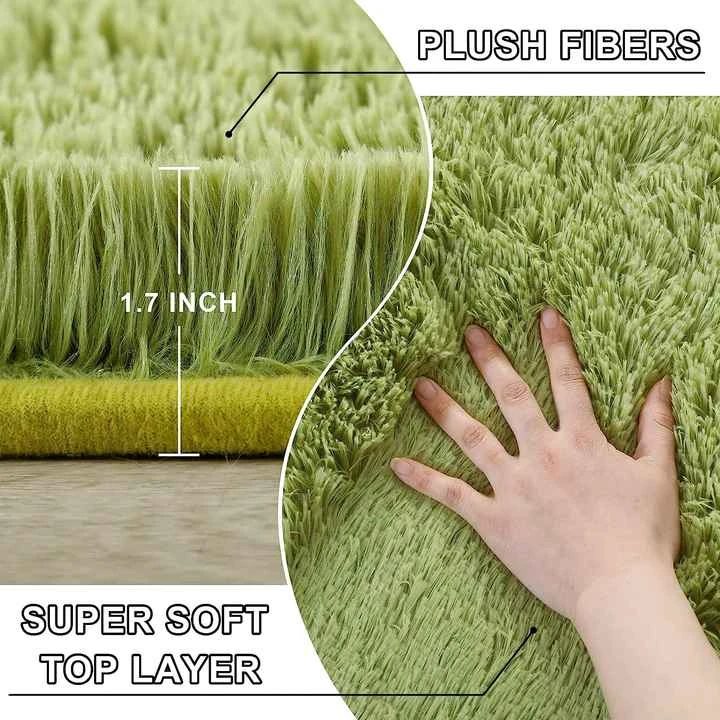
The predominant fiber used in gray bedroom carpet is polypropylene (olefin), accounting for approximately 60% of production due to its cost-effectiveness, inherent stain resistance, and colorfastness. Polyester (PET) comprises another significant portion (25%), offering superior softness and bulk, but generally lower resilience than polypropylene. Nylon (polyamide 6 or 6,6) – while more expensive – is valued for its exceptional durability and ability to retain its appearance under heavy foot traffic (10%). A smaller percentage (5%) utilizes natural fibers such as wool, known for its luxurious feel, inherent flame resistance, and biodegradable properties, but requiring specialized cleaning and exhibiting susceptibility to moths. The dyeing process for achieving the gray coloration typically involves solution dyeing (adding pigment to the polymer before fiber extrusion) or yarn dyeing. Solution dyeing provides superior colorfastness. Manufacturing predominantly utilizes tufting technology, where yarns are inserted through a primary backing material (typically polypropylene woven or non-woven fabric). Tuft density, measured in tufts per square inch (TPI), directly correlates to carpet durability and appearance retention. The secondary backing, often a layer of latex or polyurethane foam, provides cushioning and structural integrity. Pile height, ranging from 0.375 to 0.75 inches for bedroom applications, impacts comfort and aesthetic appeal. Key parameter control during manufacturing includes maintaining consistent yarn tension, ensuring proper tuft lock (preventing yarn pull-out), and achieving uniform backing adhesion. Variations in these parameters lead to premature wear and aesthetic defects.
Performance & Engineering
The performance of gray bedroom carpet is fundamentally governed by its ability to withstand compressive forces from foot traffic and furniture, resist abrasion, and maintain its aesthetic qualities over time. Force analysis reveals that the pile fiber bears the primary load, with the backing system providing support and preventing deformation. The resilience of the fiber, measured by its recovery from compression (measured in terms of fiber recovery percentage), determines the carpet's ability to bounce back from indentation. Environmental resistance is critical; prolonged exposure to UV radiation can cause fading, particularly in solution-dyed carpets if the UV stabilizers are insufficient. Moisture absorption is another key concern; high humidity can promote mold and mildew growth within the carpet structure, impacting indoor air quality. Flammability is addressed through the application of flame retardant treatments, adhering to stringent safety standards. Compliance with VOC emission regulations (see Standards & Regulations section) is paramount to ensure a healthy indoor environment. Functional implementation considers aspects like underlayment selection to enhance cushioning and sound absorption. The choice of underlayment material (e.g., foam, rubber, felt) impacts the overall performance characteristics. Static electricity build-up can be mitigated through the incorporation of conductive fibers or anti-static treatments. The carpet's ability to resist crushing and matting is directly related to its pile weight and fiber denier.
Technical Specifications
| Parameter | Polypropylene (Olefin) | Polyester (PET) | Nylon 6,6 | Wool |
|---|---|---|---|---|
| Fiber Denier (dtex) | 500-800 | 700-1200 | 800-1500 | 16-30 |
| Pile Weight (oz/sq yd) | 20-30 | 25-35 | 30-50 | 35-60 |
| Tuft Density (tufts/sq in) | 400-600 | 450-700 | 500-800 | 600-900 |
| Pile Height (inches) | 0.375-0.75 | 0.375-0.75 | 0.375-0.75 | 0.5-1.0 |
| Water Absorption (%) | 0.1 | 0.5 | 1.4 | 33 |
| Resilience (%) | 40-50 | 60-70 | 70-85 | 65-80 |
Failure Mode & Maintenance
Common failure modes in gray bedroom carpet include fiber breakage due to wear and tear, delamination of the backing system, and staining. Fiber breakage is often initiated at stress concentrations, such as around embedded soil particles. Delamination occurs when the adhesive bond between the primary and secondary backing fails, often exacerbated by moisture exposure and cyclical loading. Staining can be categorized as water-based, oil-based, or tannin-based, each requiring specific cleaning agents. Fatigue cracking in the fibers can occur over extended periods of sustained compression, particularly in high-traffic areas. Oxidation of polypropylene fibers, though slow, can lead to discoloration and brittleness. Preventive maintenance is crucial: regular vacuuming (at least twice weekly) removes abrasive soil particles that accelerate wear. Spot cleaning with appropriate solutions immediately after spills minimizes staining. Professional hot water extraction (steam cleaning) every 12-18 months removes deeply embedded dirt and rejuvenates the pile. Avoid harsh chemicals and abrasive cleaning tools, as these can damage the fibers. Proper ventilation during and after cleaning is essential to prevent moisture-related issues. Periodic carpet rotation (changing the orientation of rugs) can distribute wear more evenly. Addressing spills promptly and following manufacturer’s cleaning recommendations significantly extends carpet lifespan.
Industry FAQ
Q: What is the impact of pile height on stain resistance in gray bedroom carpet?
A: Generally, lower pile heights (0.375-0.5 inches) offer better stain resistance because spills are less likely to penetrate deep into the fiber structure. However, stain resistance is more significantly influenced by fiber type (polypropylene being inherently stain-resistant) and the application of stain protectant treatments. Higher pile heights offer greater comfort but can trap more soil and require more frequent cleaning.
Q: How does the backing material affect the overall durability of the carpet?
A: The backing material provides structural support and prevents delamination. Woven polypropylene backings are generally more durable and dimensionally stable than non-woven alternatives. The type of adhesive used to bond the primary and secondary backing is also critical; polyurethane adhesives offer superior strength and moisture resistance compared to latex-based adhesives.
Q: What VOC emission standards are relevant for bedroom carpet?
A: Key VOC emission standards include California Department of Public Health (CDPH) Standard Method v1.2, and Green Label Plus certification from the Carpet and Rug Institute (CRI). These standards limit the emission of volatile organic compounds that can impact indoor air quality. Adherence to these standards is crucial for ensuring a healthy living environment.
Q: How does the fiber type influence the carpet’s resistance to crushing?
A: Nylon exhibits the highest resilience and resistance to crushing, followed by polyester and then polypropylene. Wool provides good resilience but is more susceptible to crushing under heavy furniture. Pile weight also plays a role; higher pile weights generally provide better crush resistance. Using a quality carpet pad can significantly improve crush resistance as well.
Q: What are the best cleaning practices to maintain the color and appearance of a gray carpet?
A: Regular vacuuming with a HEPA filter vacuum is essential. Spot clean spills immediately using a pH-neutral carpet cleaner. Avoid using harsh chemicals or abrasive cleaners. Professional hot water extraction (steam cleaning) every 12-18 months is recommended for a deep clean. Protect the carpet from direct sunlight to prevent fading.
Conclusion
Gray bedroom carpet, while offering aesthetic and comfort benefits, presents a complex interplay of material science, manufacturing processes, and performance characteristics. The selection of appropriate fiber type, pile construction, and backing system is critical to achieving desired durability, stain resistance, and indoor air quality. Understanding the potential failure modes, coupled with proactive maintenance strategies, is essential for maximizing the lifespan and aesthetic appeal of the carpet.
Future developments will likely focus on incorporating bio-based and recycled materials into carpet construction, reducing environmental impact. Advancements in stain protection technologies and antimicrobial treatments will further enhance performance and hygiene. Continuous monitoring and refinement of manufacturing parameters will be crucial for ensuring consistent product quality and meeting increasingly stringent industry standards. Ultimately, informed procurement decisions based on a comprehensive understanding of these technical aspects will lead to a more satisfying and long-lasting flooring solution.