

gray faux fur rug Performance Analysis
Introduction
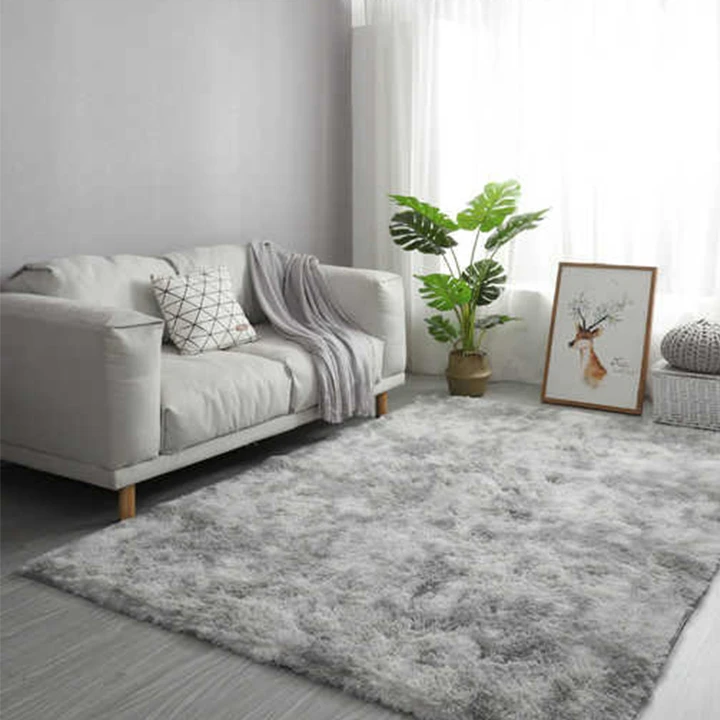
Gray faux fur rugs represent a significant segment within the broader decorative textiles industry, specifically targeting the home furnishings market. Positioned as an alternative to genuine animal fur, these rugs provide aesthetic appeal and tactile comfort without the ethical concerns or high cost associated with natural products. The core performance characteristics center around visual mimicry of natural fur – pile height, density, color consistency – alongside durability, ease of cleaning, and resistance to shedding. This guide provides an in-depth technical analysis of gray faux fur rug construction, material properties, performance metrics, potential failure modes, and relevant industry standards. The rising consumer demand for sustainable and cruelty-free home décor products drives innovation in fiber technology and manufacturing techniques, creating a competitive landscape focused on improved realism and longevity. The primary pain point for manufacturers lies in achieving a convincing and durable ‘fur-like’ texture that can withstand typical household traffic and cleaning regimens while maintaining colorfastness and structural integrity.
Material Science & Manufacturing
The primary material constituting gray faux fur rugs is typically a synthetic polymer, most commonly polypropylene (PP) or polyester (PET). Polypropylene is favored for its cost-effectiveness, inherent stain resistance, and ability to be manufactured with a wide range of textures. Polyester offers superior dye retention, resulting in more vibrant and long-lasting colors, alongside enhanced resilience. The ‘fur’ fibers are produced via extrusion, where molten polymer is forced through spinnerets to create continuous filaments. These filaments are then crimped – mechanically or thermally – to introduce bulk and create the characteristic 'furry' appearance. The base or backing material is typically a jute or polypropylene woven fabric, providing structural support and dimensional stability.
Manufacturing involves several key stages. First, the backing fabric is prepared, often treated with a latex or polyurethane coating to enhance adhesion and prevent fiber pull-through. The crimped fibers are then tufted or woven into the backing material using specialized machinery. Tufting involves inserting the fibers through the backing, creating a pile surface, while weaving interlocks the fibers directly within the backing structure. Following this, the rug undergoes shearing to achieve a consistent pile height and density. A final finishing process includes dyeing (if not pre-dyed), application of a protective coating to enhance stain resistance, and edging to prevent unraveling. Parameter control during extrusion (temperature, flow rate, spinneret size) directly influences fiber diameter, crimp frequency, and overall texture. Maintaining consistent tension during tufting/weaving is crucial for preventing distortions and ensuring uniform pile density. Dyeing processes must be carefully monitored to achieve accurate color matching and prevent bleeding or fading.
Performance & Engineering
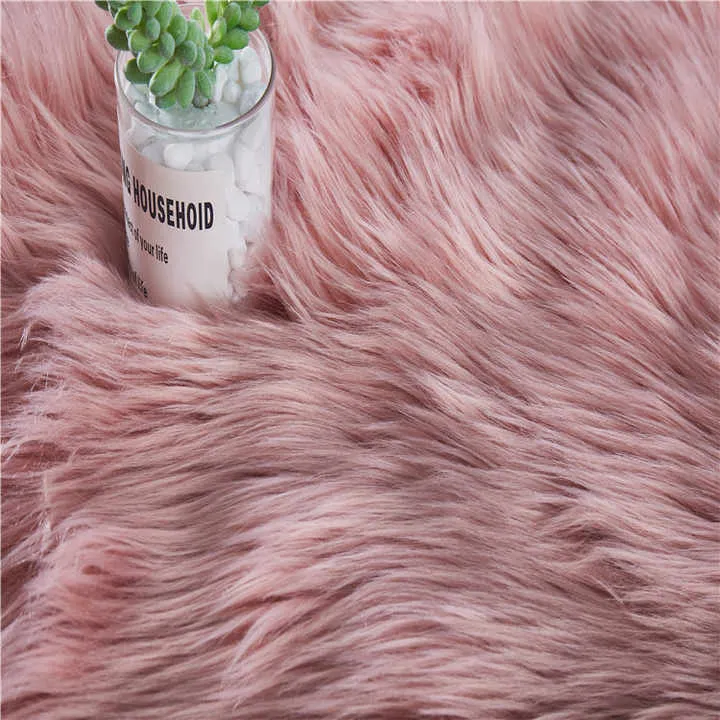
The performance of a gray faux fur rug is dictated by its resistance to compression, abrasion, tensile stress, and environmental factors like UV exposure and temperature fluctuations. Force analysis reveals that the load distribution is primarily borne by the backing material, while the fibers provide cushioning and contribute to the overall aesthetic. Pile height and density directly impact the rug’s ability to absorb impact and provide a comfortable walking surface. Environmental resistance is a critical concern. Prolonged exposure to sunlight can cause the polymer fibers to degrade, leading to discoloration and loss of structural integrity. Temperature fluctuations can induce dimensional changes, potentially causing the rug to warp or shrink. Compliance requirements often involve flammability testing (meeting standards such as California Proposition 65 for VOC emissions and flammability standards), and ensuring the absence of harmful chemicals like formaldehyde. The rug's construction impacts its ability to withstand repeated foot traffic. Tufted rugs are generally more prone to shedding compared to woven rugs, as the fibers are mechanically inserted rather than interlocked. The backing material's tensile strength is also a vital engineering consideration, preventing tearing or delamination under stress. A proper understanding of fiber elongation and recovery properties is crucial in predicting long-term performance.
Technical Specifications
| Parameter | Unit | Typical Value (Low-End) | Typical Value (High-End) |
|---|---|---|---|
| Pile Height | mm | 20 | 60 |
| Pile Density | g/m² | 800 | 2000 |
| Fiber Material | - | Polypropylene (PP) | Polyester (PET) |
| Backing Material | - | Jute | Polypropylene Woven |
| Tensile Strength (Backing) | N/mm² | 15 | 30 |
| Colorfastness to Light | Grade (1-8) | 4 | 7 |
Failure Mode & Maintenance
Common failure modes in gray faux fur rugs include fiber shedding, matting (loss of pile resilience), discoloration due to UV exposure, delamination of the backing, and staining. Fiber shedding is primarily caused by abrasion and inadequate fiber anchoring within the backing. Matting results from the deformation of the polymer fibers under sustained pressure, reducing their ability to spring back to their original shape. UV degradation leads to polymer chain scission, causing embrittlement and discoloration. Delamination occurs when the adhesive bond between the fibers and the backing weakens, often due to moisture ingress or mechanical stress. Staining arises from the absorption of liquids or particulate matter into the fibers.
Preventative maintenance involves regular vacuuming to remove loose dirt and debris, prompt cleaning of spills to prevent staining, and avoiding prolonged direct sunlight exposure. For minor stains, a mild detergent solution and a soft cloth can be used. More stubborn stains may require specialized upholstery cleaners. To address delamination, re-gluing the backing using a suitable adhesive may provide a temporary fix, but complete replacement is often necessary. To mitigate shedding, avoid excessive foot traffic and consider using a rug pad to provide additional cushioning and support. Periodic rotation of the rug can help distribute wear evenly and prolong its lifespan. Deep cleaning, while improving appearance, can accelerate fiber shedding if performed too frequently or aggressively.
Industry FAQ
Q: What is the primary difference between polypropylene and polyester faux fur, and how does that impact cost and durability?
A: Polypropylene is generally less expensive than polyester, primarily due to lower raw material costs and a simpler manufacturing process. However, polyester offers superior dye retention, resulting in better colorfastness and a more luxurious appearance. Polyester also exhibits slightly higher resilience and resistance to abrasion, leading to improved long-term durability. Polypropylene is preferred for high-traffic areas where cost is a significant factor, while polyester is favored for decorative applications where aesthetic appeal and longevity are paramount.
Q: How does pile height affect the perceived quality and comfort of a faux fur rug?
A: Pile height directly influences the rug’s tactile sensation and visual resemblance to natural fur. Higher pile heights (e.g., 50-60mm) provide a deeper, more plush feel and a more convincing ‘fur-like’ appearance. However, higher piles are also more prone to matting and may require more frequent maintenance. Lower pile heights (e.g., 20-30mm) offer a more durable and easier-to-clean surface, but may lack the luxurious feel of a higher pile rug.
Q: What are the common methods for assessing the flammability of faux fur rugs, and what standards must they meet?
A: Flammability is typically assessed using tests like the pill test, the match test, and the DOC (Dry Oxidation Combustion) test. These tests measure the rug's resistance to ignition, flame spread, and smoke generation. Regulations vary by region, but common standards include California Proposition 65 (for VOC emissions) and various flammability standards set by organizations like the Consumer Product Safety Commission (CPSC). Rugs intended for sale in the US must typically meet specific flammability requirements to ensure consumer safety.
Q: What is the expected lifespan of a high-quality gray faux fur rug under moderate household use?
A: A high-quality gray faux fur rug, constructed with durable polyester fibers and a robust polypropylene backing, can be expected to last between 5 to 10 years under moderate household use. This assumes regular vacuuming, prompt stain treatment, and avoidance of prolonged direct sunlight exposure. Factors like foot traffic, the presence of pets, and cleaning frequency can significantly influence the rug’s lifespan.
Q: How important is the rug backing material in determining overall durability and performance?
A: The rug backing is critically important. It provides structural integrity, prevents fiber pull-through, and contributes to dimensional stability. Jute backing is a natural, cost-effective option, but it is susceptible to moisture damage and may not be as durable as synthetic alternatives. Polypropylene woven backing offers superior strength, water resistance, and longevity, making it the preferred choice for high-quality faux fur rugs.
Conclusion
Gray faux fur rugs represent a sophisticated blend of material science and textile engineering, offering a compelling alternative to natural fur products. The selection of appropriate polymer fibers (polypropylene or polyester), coupled with meticulous manufacturing processes and robust backing materials, dictates the rug’s performance characteristics – durability, aesthetic appeal, and resistance to environmental factors. Understanding the potential failure modes, such as fiber shedding, matting, and delamination, is crucial for implementing preventative maintenance strategies and maximizing the rug’s lifespan.
Future developments in this field are likely to focus on enhancing the realism of the ‘fur-like’ texture through advancements in fiber crimping and dyeing technologies, alongside the development of more sustainable and eco-friendly materials. Further research into the long-term effects of UV exposure and abrasion will also contribute to the creation of more durable and resilient faux fur rugs. Ultimately, the success of these products hinges on their ability to consistently meet consumer expectations for both aesthetic appeal and long-term performance.