

gray fur rug Performance Analysis
Introduction
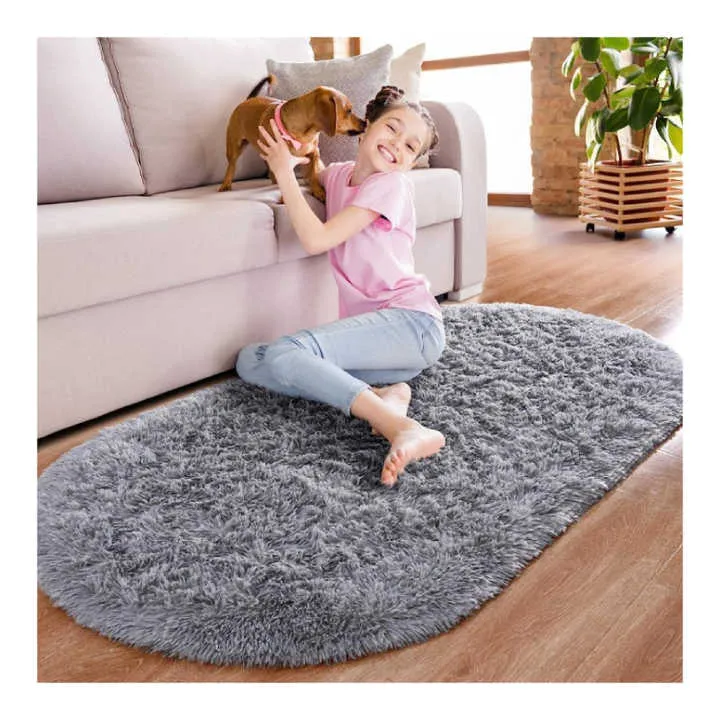
Gray fur rugs represent a significant segment within the broader floor covering industry, specifically within the decorative textile category. These rugs are typically constructed from synthetic fibers designed to mimic the appearance and tactile qualities of animal fur, providing aesthetic and comfort benefits. Their technical position in the supply chain begins with polymer production (typically polypropylene or acrylic), moves through fiber extrusion, non-woven or woven fabric formation, dyeing/finishing processes, and culminates in final product manufacturing and distribution. Core performance characteristics center around pile height, fiber density, weight, durability, and colorfastness, all influencing the perceived value and longevity of the product. The industry faces challenges in balancing aesthetic appeal with sustainability concerns regarding material sourcing and end-of-life recyclability, as well as meeting evolving consumer expectations for hypoallergenic and easy-to-clean surfaces. Understanding these technical parameters and manufacturing complexities is crucial for procurement managers and quality control personnel.
Material Science & Manufacturing
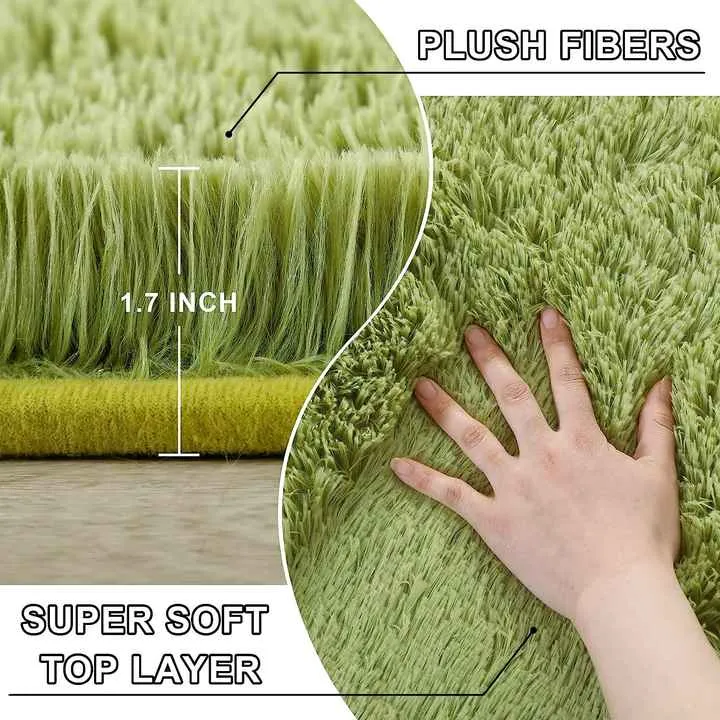
The dominant materials in gray fur rug production are synthetic polymers, primarily polypropylene (PP) and acrylic fibers. Polypropylene is favored for its cost-effectiveness, stain resistance, and relatively good durability. Its molecular structure (-(C3H6)n-) contributes to its hydrophobic nature, preventing water absorption. Acrylic fibers, while more expensive, offer a softer texture and better resilience to crushing, mimicking natural fur more closely. Acrylic's chemical formula (-(C3H3N)n-) allows for enhanced dye uptake, resulting in richer color saturation. Manufacturing begins with polymer pellet production, followed by melt extrusion to create continuous filaments. These filaments are then processed using either needle-punching (non-woven) or weaving/knitting techniques. Needle-punching interlocks fibers mechanically, resulting in a less dense, more casual pile. Weaving/knitting creates a more structured and durable rug, but at a higher cost. Dyeing utilizes various methods – solution dyeing (adding pigment during polymer extrusion for superior colorfastness), yarn dyeing, or piece dyeing. Critical parameters during manufacturing include fiber denier (thickness, impacting softness), pile height (affecting aesthetic and comfort), and backing material selection (typically jute, polypropylene, or latex for dimensional stability and grip). Quality control focuses on fiber tensile strength, color consistency, and dimensional accuracy.
Performance & Engineering
The performance of a gray fur rug is assessed through several key engineering metrics. Compressive strength, determined by pile height and fiber density, dictates the rug’s ability to resist matting and maintain its appearance under foot traffic. Tensile strength, measured using ASTM D4530, quantifies the force required to break the fabric, indicating its resistance to tearing. Colorfastness to light (ASTM D1654) and washing (AATCC 163) are critical for maintaining aesthetic quality over time, preventing fading or bleeding. Flammability testing (ASTM E84) determines the rug’s fire resistance, crucial for building codes and safety regulations. Static dissipative properties are also considered, particularly in environments sensitive to electrostatic discharge. Environmental resistance includes assessing resistance to mold and mildew growth, particularly in humid climates. The backing material plays a crucial role in preventing slippage, assessed by the coefficient of friction (ASTM D2047). Load-bearing capacity (weight distribution) needs to be calculated for high-traffic areas to prevent premature wear and tear. Pile recovery, the rug’s ability to bounce back after compression, is indicative of fiber resilience and overall quality.
Technical Specifications
| Parameter | Polypropylene (Standard Grade) | Acrylic (Mid-Range) | Polypropylene (High Density) | Acrylic (Premium Grade) |
|---|---|---|---|---|
| Pile Height (mm) | 25-35 | 30-40 | 40-50 | 50-60 |
| Fiber Density (g/m²) | 800-1200 | 1000-1500 | 1300-1800 | 1600-2200 |
| Tensile Strength (N/50mm) | 40-60 | 60-80 | 60-80 | 80-100 |
| Colorfastness to Light (Gray Scale Rating) | 4-5 | 5-6 | 5-6 | 6-7 |
| Water Absorption (%) | <0.1 | <0.3 | <0.1 | <0.3 |
| Flammability (Flame Spread Index) | <25 | <25 | <25 | <25 |
Failure Mode & Maintenance
Gray fur rugs are susceptible to several failure modes. Fiber shedding is common, particularly with lower-density polypropylene rugs, resulting in a gradual reduction in pile thickness and aesthetic appeal. Matting and crushing occur under sustained pressure, especially in high-traffic areas, reducing pile recovery and creating visible footprints. Color fading due to UV exposure is a significant concern, particularly for rugs placed in direct sunlight. Stain penetration, although polypropylene offers good stain resistance, can occur with oily or pigment-rich substances. Delamination of the backing material can lead to structural failure, causing the pile to separate from the base. Wear and tear due to abrasion from foot traffic or furniture legs results in fiber breakage and thinning of the pile. Maintenance primarily involves regular vacuuming to remove loose dirt and debris. Spot cleaning with a mild detergent is recommended for spills. Professional cleaning, using appropriate extraction methods, should be performed periodically to remove embedded dirt and restore pile loft. Avoiding direct sunlight and rotating the rug can minimize color fading and uneven wear. Using rug pads provides cushioning and prevents slippage, extending the rug’s lifespan. Addressing spills promptly is crucial to prevent permanent staining.
Industry FAQ
Q: What is the difference between polypropylene and acrylic fur rugs in terms of durability?
A: While both offer acceptable durability, acrylic generally exhibits superior resilience to crushing and maintains its pile loft for a longer period. Polypropylene is more resistant to abrasion and staining, making it suitable for high-traffic areas. However, acrylic typically has a higher initial cost.
Q: How can I minimize color fading in a gray fur rug exposed to sunlight?
A: Minimizing direct sunlight exposure is the most effective solution. Using curtains or blinds, rotating the rug periodically, and choosing solution-dyed fibers (where the color is embedded within the polymer) will significantly reduce fading.
Q: What backing material provides the best slip resistance for a gray fur rug on a hardwood floor?
A: A latex or polyurethane backing offers the highest coefficient of friction and provides the most secure grip on hardwood floors. Rug pads with a non-slip surface are also highly recommended for added safety.
Q: What is the typical lifespan of a well-maintained gray fur rug?
A: A well-maintained gray fur rug, with regular vacuuming and professional cleaning, can last between 5-10 years, depending on the quality of materials, traffic levels, and environmental conditions.
Q: Are gray fur rugs hypoallergenic?
A: While synthetic fibers generally trap fewer allergens than natural fibers, gray fur rugs are not inherently hypoallergenic. Regular vacuuming with a HEPA filter is essential to remove dust mites and other allergens that may accumulate within the pile.
Conclusion
Gray fur rugs represent a complex intersection of material science, textile engineering, and aesthetic design. The performance and longevity of these rugs are intrinsically linked to the selection of polymer type (polypropylene or acrylic), manufacturing processes (weaving, knitting, needle-punching), and adherence to rigorous quality control standards. Procurement managers must consider factors such as fiber density, tensile strength, colorfastness, and flammability ratings to ensure they are selecting products that meet performance requirements and safety regulations.
Future developments in this sector are likely to focus on sustainable material sourcing, incorporating recycled polymers and bio-based fibers. Innovations in dyeing technology will aim to reduce water consumption and environmental impact. Furthermore, enhanced manufacturing techniques will improve rug durability and reduce fiber shedding. Ultimately, the continued evolution of gray fur rug technology will be driven by the need to balance aesthetic appeal with environmental responsibility and performance longevity.