

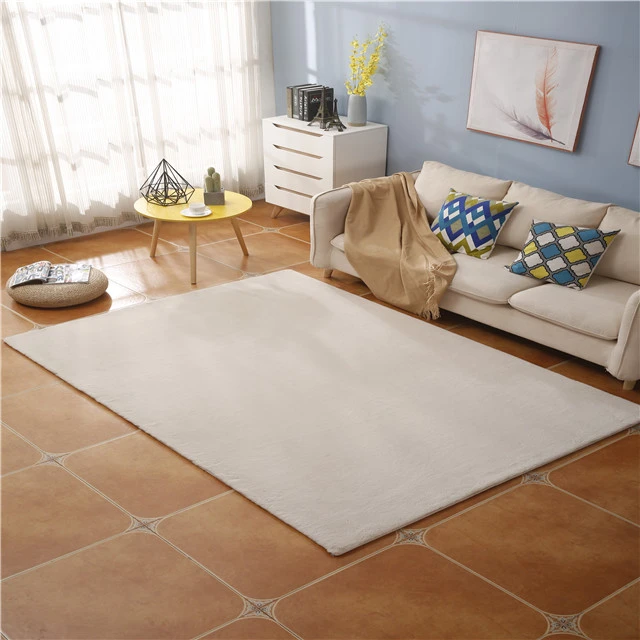
grey fur rug Performance Analysis
Introduction
Grey fur rugs represent a significant segment within the broader decorative floor covering market, bridging the gap between luxury aesthetics and functional comfort. Technically classified as pile textiles, these rugs typically consist of a backing material, a woven or non-woven foundation, and a surface layer of synthetic or natural fibers processed to resemble fur. Their position in the value chain involves raw material sourcing (typically polymers for synthetic fibers), fiber production, tufting or weaving, dyeing and finishing processes, and finally, retail distribution. Core performance characteristics include tactile softness, thermal insulation, aesthetic appeal, and durability—properties that address consumer demands for both comfort and style. The increasing demand for pet-friendly, easily maintainable, and visually adaptable interior design elements drives the continued development and refinement of grey fur rug manufacturing techniques and material compositions. Understanding the nuances of fiber composition, backing structure, and pile density is critical to predicting long-term performance and addressing prevalent industry challenges such as shedding, matting, and stain resistance.
Material Science & Manufacturing
The foundation of grey fur rugs lies in the material science of their constituent components. Commonly, synthetic fibers like polyester, acrylic, and polypropylene are utilized due to their cost-effectiveness and ability to mimic the appearance and texture of natural fur. Polyester offers good stain resistance and color retention, while acrylic provides a softer hand feel and improved wool-like properties. Polypropylene is particularly resilient and frequently employed in high-traffic areas. Natural fibers, such as rabbit or sheep fur, are occasionally used in high-end products, but are subject to ethical concerns and significantly higher production costs. The manufacturing process typically begins with fiber extrusion or sourcing. Synthetic fibers undergo extrusion – a process where molten polymer is forced through spinnerets to create filaments. These filaments are then drawn and textured to enhance bulk and create the desired ‘fur’ effect. Backing materials are commonly made of jute, polypropylene, or latex. Jute provides a natural and breathable foundation but is susceptible to moisture damage. Polypropylene offers better water resistance. Latex backing is frequently used to provide grip and prevent slippage. Pile construction methods include tufting, weaving, and needle punching. Tufting involves inserting fibers through a primary backing, followed by coating with latex to secure the tufts. Weaving interlocks the fibers to create a more durable and intricate pile. Needle punching mechanically interlocks the fibers for a less dense, often more cost-effective rug. Critical parameters during manufacturing include pile height, density (measured in ounces per square yard), and yarn crimp (the degree of waviness in the fiber), all impacting the rug’s feel, appearance, and lifespan. Dyeing utilizes various techniques including solution dyeing (where the fiber is dyed before processing) and piece dyeing (where the finished rug is dyed). Finishing treatments may include anti-shedding coatings, stain repellents, and anti-microbial agents.

Performance & Engineering
The performance of a grey fur rug is dictated by a complex interplay of mechanical stresses, environmental factors, and inherent material properties. Force analysis reveals that the rug experiences compressive stress from foot traffic and furniture, tensile stress from stretching and movement, and shear stress from sliding. Pile density and fiber strength directly correlate with the rug's ability to withstand these stresses without significant deformation or fiber breakage. Environmental resistance is a key consideration. Grey fur rugs, particularly those constructed from synthetic fibers, exhibit moderate resistance to moisture but can suffer damage from prolonged exposure to UV radiation, leading to color fading and fiber degradation. Thermal performance is another critical aspect; the rug’s pile structure traps air, providing thermal insulation and enhancing comfort. Compliance requirements vary depending on the intended market. Flammability standards (e.g., California Proposition 65) necessitate the use of fire-retardant treatments. VOC emissions (Volatile Organic Compounds) are regulated to ensure indoor air quality, particularly concerning adhesives and finishing treatments. The rug’s structural integrity also hinges on the bonding between the pile and the backing. Latex adhesives must maintain sufficient cohesive strength and adhesion to prevent delamination. Furthermore, the rug’s dimensional stability – its ability to retain its shape and size under varying conditions – is crucial for preventing wrinkling and buckling. Testing methodologies include abrasion resistance tests (e.g., Taber Abraser), colorfastness tests, and pile retention tests to assess long-term durability and performance characteristics.
Technical Specifications
| Parameter | Polyester | Acrylic | Polypropylene | Rabbit Fur (Natural) |
|---|---|---|---|---|
| Fiber Denier (g/tex) | 1.5-3 | 2-4 | 2-3 | Variable, typically 1-2 |
| Pile Height (mm) | 25-50 | 30-60 | 20-40 | 30-70 |
| Pile Density (oz/yd²) | 800-1500 | 1000-2000 | 600-1200 | 800-1800 |
| Tensile Strength (MPa) | 40-70 | 30-50 | 35-65 | 20-40 |
| Water Absorption (%) | 0.5-1.0 | 1.5-2.5 | 0.1-0.5 | Variable, high |
| UV Resistance (Rating 1-5, 5=Excellent) | 3 | 2 | 4 | 1 |
Failure Mode & Maintenance
Grey fur rugs are susceptible to several failure modes throughout their service life. Shedding, the loss of fibers from the pile, is a common issue, particularly in the initial stages of use, and is exacerbated by low pile density and improper fiber locking. Matting occurs when the pile fibers become compressed and lose their resilience, often due to prolonged foot traffic or heavy furniture. Delamination, the separation of the pile from the backing, is a critical failure mode resulting from adhesive failure or mechanical stress. Fiber degradation, driven by UV exposure, chemical exposure (e.g., cleaning agents), or oxidation, leads to color fading, brittleness, and reduced strength. Stain penetration represents another common problem, with certain dyes and liquids readily absorbed by the fibers. Maintenance is crucial for mitigating these failures. Regular vacuuming (using a suction-only nozzle to avoid fiber damage) removes debris and minimizes matting. Prompt spot cleaning with appropriate cleaning solutions (specifically formulated for the fiber type) prevents stain set-in. Professional cleaning, employing low-moisture extraction methods, is recommended every 12-18 months. Avoid prolonged exposure to direct sunlight and rotating the rug periodically ensures even wear. For delamination, repair typically involves re-applying adhesive and clamping the pile back to the backing. Preventative measures include selecting rugs with high-quality backing adhesives and avoiding excessive moisture exposure. Addressing fiber degradation involves UV protectant sprays and gentle cleaning methods.
Industry FAQ
Q: What is the primary difference between polyester and acrylic fur rugs in terms of long-term durability?
A: Polyester generally exhibits superior abrasion resistance and resilience compared to acrylic. While acrylic offers a softer hand feel, it's more prone to pilling and fiber breakage over time, especially under heavy foot traffic. Polyester's higher tensile strength and better resistance to UV degradation contribute to a longer service life.
Q: How does the backing material influence the rug’s overall performance and what are the advantages of each type?
A: The backing provides structural support and prevents slippage. Jute is breathable and eco-friendly but susceptible to moisture damage. Polypropylene is highly water-resistant and durable. Latex offers excellent grip but can degrade over time with exposure to heat and light. The choice of backing depends on the intended use and environmental conditions.
Q: What are the VOC emission concerns associated with grey fur rugs, and how are they addressed?
A: VOCs can be emitted from adhesives, dyes, and finishing treatments used in the manufacturing process. Regulatory bodies like CARB (California Air Resources Board) and OEKO-TEX® set standards for acceptable VOC levels. Manufacturers address this by using low-VOC adhesives, water-based dyes, and employing post-treatment ventilation processes.
Q: What is the recommended cleaning procedure to avoid damaging the fur fibers and maintain the rug’s appearance?
A: Regular vacuuming with a suction-only nozzle is crucial. Spot clean stains immediately with a mild detergent and water, blotting gently rather than rubbing. Avoid harsh chemicals and excessive moisture. Professional cleaning using low-moisture extraction is recommended every 12-18 months.
Q: What testing standards are typically used to assess the flammability and abrasion resistance of grey fur rugs?
A: Flammability is often assessed according to standards like ASTM D2859 and California Proposition 65. Abrasion resistance is typically evaluated using the Taber Abraser test (ASTM D4966), which measures the rug's ability to withstand wear and tear. Colorfastness is evaluated using standards like ISO 105.
Conclusion
Grey fur rugs, while aesthetically versatile, demand a nuanced understanding of their material composition, manufacturing processes, and potential failure modes. Selecting appropriate fiber types (polyester offering a balance of durability and cost-effectiveness), backing materials (considering environmental factors), and pile construction techniques (optimizing for resilience and shed resistance) are paramount to achieving long-term performance. Proactive maintenance, including regular vacuuming, prompt stain removal, and professional cleaning, significantly extends the rug’s lifespan and preserves its aesthetic qualities.
Future advancements in grey fur rug technology are likely to focus on sustainable materials (e.g., recycled polyester), enhanced stain repellency through nanotechnology, and improved adhesive formulations for greater durability. Addressing consumer demands for hypoallergenic and environmentally friendly products will drive innovation in fiber sourcing and manufacturing processes, ultimately elevating the overall performance and market value of these popular floor coverings.