


Indoor Carpet types Performance Analysis
Introduction
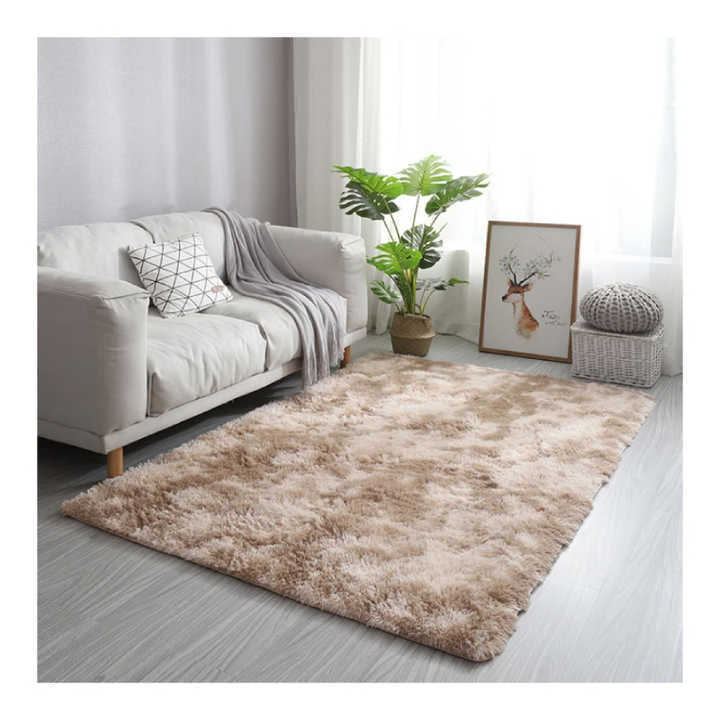
Indoor carpet, a ubiquitous flooring material, represents a significant segment of the broader textile industry. Its primary function extends beyond aesthetics, providing thermal insulation, acoustic dampening, and a cushioned surface. The industry encompasses a diverse range of fiber types, construction methods, and performance characteristics tailored to various applications – from high-traffic commercial spaces to residential living areas. Currently, the market is driven by demands for sustainable materials, enhanced durability, and improved stain resistance. Understanding the specific technical attributes of different carpet types is crucial for informed procurement and ensuring optimal performance within intended use cases. This guide provides a detailed technical overview of common indoor carpet classifications, focusing on material science, manufacturing processes, performance characteristics, failure modes, and relevant industry standards. A key pain point within the industry revolves around accurately specifying carpet for anticipated load, moisture exposure, and cleaning regimes, leading to premature failure and costly replacements. Incorrect fiber selection for a given environment is a frequent source of these failures.
Material Science & Manufacturing
The foundation of indoor carpet lies in the materials used for both the pile (surface fibers) and the backing. Common pile fibers include nylon, polypropylene (olefin), polyester, and wool, each exhibiting distinct physical and chemical properties. Nylon, renowned for its exceptional resilience and abrasion resistance, is a polyamide thermoplastic polymer. Its manufacturing involves polymerization of caprolactam or hexamethylenediamine and adipic acid, followed by melt spinning into filaments. Polypropylene, an economical alternative, boasts inherent stain resistance due to its hydrophobic nature but has lower resilience than nylon. It's produced via the Ziegler-Natta polymerization of propylene. Polyester, often derived from polyethylene terephthalate (PET), offers good color clarity and stain resistance but exhibits lower resilience and crush resistance compared to nylon. Its manufacture involves esterification and polymerization. Wool, a natural fiber composed of keratin, provides superior warmth, softness, and inherent flame resistance but is more expensive and susceptible to moth damage. The backing materials generally comprise polypropylene, jute, or synthetic rubber. Carpet manufacturing processes vary based on construction type. Woven carpets, traditionally produced on looms, offer high durability but are slower and more costly. Tufted carpets, the dominant manufacturing method, involve inserting pile yarns through a primary backing followed by latex coating and secondary backing attachment. Needle-punch carpets involve mechanically interlocking fibers without weaving or tufting, resulting in a durable, though less plush, product. Key parameters during manufacturing include yarn denier (fiber thickness), stitch rate (stitches per inch), pile height, and latex coating weight. Maintaining precise control over these parameters is critical for achieving desired performance characteristics.
Performance & Engineering
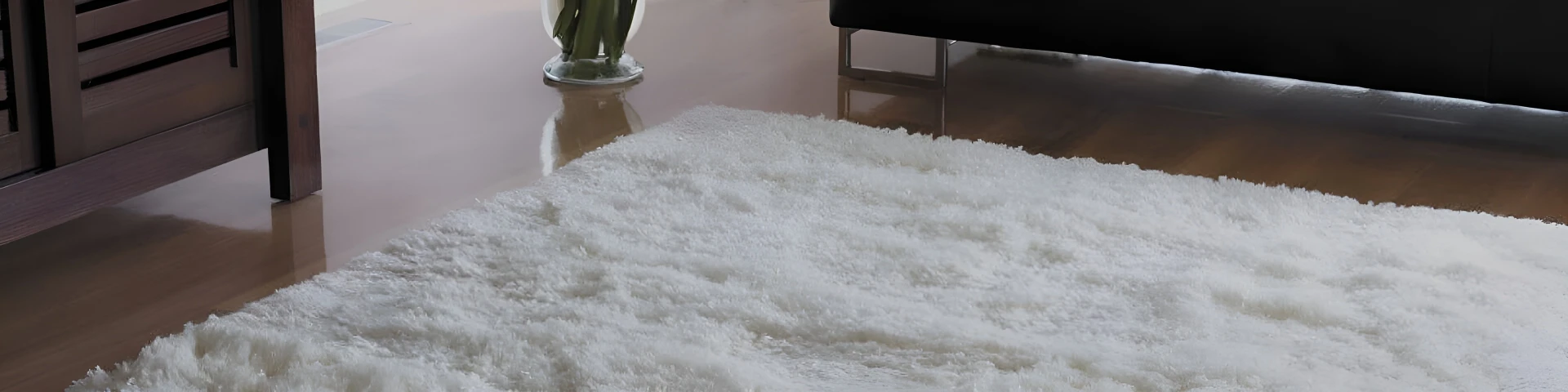
Carpet performance is dictated by a complex interplay of physical and mechanical properties. Resilience, or the ability to recover from compression, is a crucial indicator of longevity, particularly in high-traffic areas. Measured using the Tabor Abrasion Test (ASTM D4157), higher resilience values correlate with extended product life. Pile density, defined as the weight of fiber per unit area, directly impacts durability and perceived luxury. Tensile strength, assessed using methods like ASTM D4268, quantifies the force required to break the yarn, indicating resistance to tearing. Colorfastness, evaluated through light and wash tests (AATCC standards), determines the resistance of dyes to fading. Static load capacity, the ability to withstand sustained weight without permanent deformation, is particularly important for furniture placement. Environmental resistance encompasses moisture absorption, stain resistance, and resistance to mold and mildew growth. Moisture absorption, measured by WVTR (Water Vapor Transmission Rate), affects indoor air quality and potential for microbial growth. Stain resistance depends on fiber type, yarn treatments (e.g., stain repellents), and the chemical composition of potential staining agents. Compliance requirements vary by region and application. For example, commercial carpets often must meet flammability standards like UL 94 and NFPA 253. Force analysis, through finite element modeling (FEM), can optimize carpet backing construction to distribute loads effectively and minimize wear. The Carpet and Rug Institute (CRI) Green Label Plus certification addresses volatile organic compound (VOC) emissions, ensuring healthy indoor air quality.
Technical Specifications
| Carpet Type | Fiber Composition | Pile Density (oz/yd²) | Resilience (%) |
|---|---|---|---|
| Nylon Cut Pile | 100% Nylon 6,6 | 32-48 | 85-90 |
| Polypropylene (Olefin) Level Loop | 100% Polypropylene | 24-36 | 60-70 |
| Polyester Textured Frieze | 100% Polyester (PET) | 28-40 | 70-75 |
| Wool Saxony | 100% Wool | 40-60 | 75-80 |
| Nylon Solution Dyed BCF | 100% Nylon BCF (Bulk Continuous Filament) | 36-52 | 88-92 |
| Polyester Cut & Loop | 100% Polyester (PET) with Nylon Reinforcement | 30-45 | 72-78 |
Failure Mode & Maintenance
Common carpet failure modes include delamination (separation of backing layers), fiber crushing (loss of pile height and resilience), discoloration (fading or staining), and seam separation. Delamination typically arises from insufficient latex adhesion or moisture ingress. Fiber crushing results from repeated compression, particularly in high-traffic areas. Discoloration can be caused by UV exposure, spills, or inadequate cleaning. Seam separation occurs due to weak adhesive bonds or improper installation. Failure analysis often reveals the root cause, allowing for preventative measures. Regular vacuuming (at least twice weekly) removes abrasive dirt particles that contribute to fiber wear. Spot cleaning promptly addresses spills to prevent permanent staining. Hot water extraction (steam cleaning) periodically removes embedded dirt and rejuvenates the pile. Preventative maintenance includes applying stain repellents, using entrance mats to trap dirt, and rotating furniture to distribute wear. For nylon carpets, avoiding prolonged exposure to strong alkalis is critical to prevent fiber degradation. Wool carpets require professional cleaning to avoid shrinkage or damage. Addressing moisture issues promptly prevents mold growth and delamination. Regularly inspecting seams and repairing minor damage prevents more extensive failures.
Industry FAQ
Q: What is the impact of pile height on carpet durability?
A: Generally, lower pile heights exhibit superior durability in high-traffic areas as they are less prone to fiber crushing and matting. However, higher pile heights offer increased comfort and a more luxurious feel, but require more frequent maintenance to prevent wear. The choice depends heavily on the intended use of the space.
Q: How does the backing material affect carpet performance?
A: The backing material provides structural integrity and influences moisture resistance. Polypropylene backings are cost-effective and moisture-resistant, while jute backings are more breathable but susceptible to moisture damage. Synthetic rubber backings offer superior durability and cushioning but can contribute to VOC emissions if not properly treated.
Q: What are the key differences between cut pile and loop pile carpets?
A: Cut pile carpets, where the yarn ends are sheared, offer a softer texture and more formal appearance. Loop pile carpets, where the yarn remains looped, exhibit superior durability and stain resistance, making them suitable for high-traffic areas. Textured loop piles provide a balance of both aesthetics and performance.
Q: What are the advantages of solution-dyed carpets over piece-dyed carpets?
A: Solution-dyed carpets have color incorporated into the fiber during manufacturing, resulting in exceptional colorfastness and stain resistance. Piece-dyed carpets, where the yarn is dyed after tufting, are more susceptible to fading and staining, but offer a wider range of color options.
Q: How important is the carpet's VOC emission rating?
A: VOC emissions can significantly impact indoor air quality. Carpets certified by the CRI Green Label Plus program have been tested to meet stringent VOC emission standards, contributing to a healthier indoor environment, especially for sensitive individuals or buildings with ventilation limitations.
Conclusion
The selection of indoor carpet demands a comprehensive understanding of material science, manufacturing processes, and performance characteristics. Nylon remains a dominant choice for its balance of durability, resilience, and cost-effectiveness, while polypropylene offers a viable alternative for budget-conscious applications. Wool provides a premium option emphasizing comfort and sustainability, albeit at a higher price point. The inherent trade-offs between fiber types and construction methods necessitate careful consideration of the intended use, anticipated traffic levels, and environmental conditions.
Moving forward, innovation in carpet technology will likely focus on sustainable materials, enhanced stain resistance through nanotechnology, and improved backing systems for increased durability and reduced VOC emissions. Precise specification based on detailed performance requirements, coupled with diligent maintenance practices, remains paramount to maximizing carpet lifespan and minimizing total cost of ownership. Further research into bio-based fiber alternatives could also reduce the environmental impact of carpet production and disposal.