


ivory fur rug Performance Analysis
Introduction
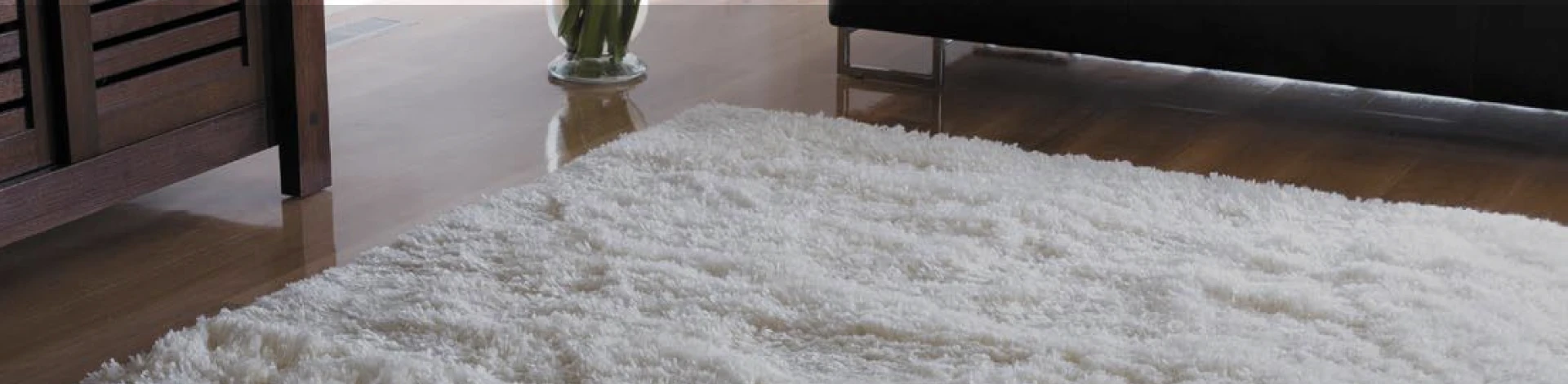
Ivory fur rugs represent a segment of the decorative floor covering market characterized by the use of animal hides, typically sheepskin, goat skin, or cowhide, processed to retain a long, soft pile resembling fur. These rugs are valued for their aesthetic appeal, providing warmth, and adding texture to interior spaces. Technically, they fall into the broader category of textile floor coverings but differentiate themselves through the inherent biological origin of the material and the unique manufacturing processes required to prepare and stabilize the hide. The performance characteristics are heavily dependent on the species of animal, the tanning process employed, and the backing material utilized. Core performance considerations revolve around durability, shedding, cleaning requirements, and resistance to wear and environmental factors. Understanding these aspects is critical for both manufacturers and consumers, particularly concerning ethical sourcing and long-term maintenance.
Material Science & Manufacturing
The primary raw material for ivory fur rugs is animal hide. Sheepskin is the most common, offering a dense, soft pile. Goat skin provides a more textured, durable option. Cowhide, while less commonly used for full "fur" rugs, can be processed to create rugs with shorter pile or combined with sheepskin patches. The hide’s physical properties—collagen fiber density, fat content, and overall thickness—dictate the final product’s texture and durability. Manufacturing begins with hide procurement, focusing on ethically sourced materials. The initial step involves cleaning and de-hairing the hide, traditionally done through liming and subsequent mechanical removal. Tanning is crucial; chromium tanning is prevalent due to its speed and cost-effectiveness, but vegetable tanning offers a more environmentally friendly alternative, albeit slower and more expensive. After tanning, the hide is stretched and dried to achieve the desired shape and size. The fur side is then carefully combed and sheared to create a uniform pile height. Finally, a backing material—typically jute, cotton, or a synthetic blend—is applied using adhesive to provide stability and prevent shedding. Key parameter control involves monitoring tanning liquor pH, tanning time and temperature, and the adhesion strength of the backing material. Improper tanning can lead to hide degradation and odor issues, while insufficient backing adhesion results in excessive shedding.
Performance & Engineering
The performance of an ivory fur rug is governed by several engineering principles. Tensile strength, particularly along the hide’s grain, determines its resistance to tearing. Compression testing reveals the rug’s ability to withstand sustained foot traffic without permanent deformation. The pile height and density significantly influence the thermal insulation properties (R-value) and comfort underfoot. Environmental resistance is a critical factor. Exposure to direct sunlight can cause fading and degradation of the leather fibers, requiring UV stabilizers in the tanning process. Moisture absorption is another concern; prolonged exposure to high humidity can lead to mold and mildew growth, necessitating proper ventilation and occasional professional cleaning. Compliance requirements depend on the target market. For example, the EU REACH regulation restricts the use of certain chemicals in tanning processes. Fire resistance standards (e.g., California Technical Bulletin 117) may also apply, requiring treatment with fire retardants. Force analysis during manufacturing considers the stresses applied during stretching and drying to prevent hide distortion. Backing material choice impacts slip resistance, a vital safety characteristic. The dimensional stability of the rug must be maintained during temperature and humidity fluctuations to prevent curling or shrinkage.
Technical Specifications
| Parameter | Unit | Sheepskin (Standard) | Goatskin (Standard) |
|---|---|---|---|
| Pile Height | mm | 30-40 | 20-30 |
| Hide Thickness | mm | 8-12 | 5-8 |
| Tensile Strength (Longitudinal) | N/mm² | 25-35 | 30-45 |
| Moisture Content (Equilibrium) | % | 8-12 | 10-14 |
| Shedding Rate (After 1 month) | g/m² | < 5 | < 8 |
| Colorfastness to Light (Grey Scale) | Grade | 4-5 | 3-4 |
Failure Mode & Maintenance
Ivory fur rugs are susceptible to several failure modes. Fatigue cracking occurs in the leather fibers due to repeated stress from foot traffic, particularly in high-wear areas. Delamination of the backing material is a common issue, often caused by adhesive failure due to moisture or mechanical stress. Degradation of the leather occurs with prolonged UV exposure, leading to fading, brittleness, and reduced tensile strength. Oxidation of the tanning agents can result in discoloration and an unpleasant odor. Matting of the pile reduces the rug’s aesthetic appeal and insulating properties. Shedding, while initially normal, can become excessive if the backing is compromised. Maintenance is crucial for extending the rug’s lifespan. Regular vacuuming removes loose dirt and debris. Spot cleaning with a mild detergent and water is recommended for spills. Avoid harsh chemicals and abrasive cleaners. Professional cleaning is advised annually to remove deeply embedded dirt and restore the pile. Rotation of the rug helps distribute wear evenly. Direct sunlight exposure should be minimized. For severe damage, professional leather repair services may be necessary. Preventing moth infestation through the use of cedar chips or mothballs is also essential, particularly during storage.
Industry FAQ
Q: What is the difference between chrome-tanned and vegetable-tanned sheepskin rugs, and how does this affect durability?
A: Chrome-tanned sheepskin rugs are produced using chromium salts, a faster and more cost-effective process. This results in a softer, more pliable hide. However, chrome-tanned leather is generally less durable and more susceptible to degradation from UV exposure and temperature fluctuations compared to vegetable-tanned leather. Vegetable tanning utilizes natural tannins from bark and other plant sources, resulting in a firmer, more robust hide with superior resistance to environmental factors. While vegetable-tanned rugs may initially be slightly stiffer, they tend to last significantly longer and develop a desirable patina over time.
Q: How does the backing material affect the overall performance and cost of an ivory fur rug?
A: The backing material is critical for providing stability, preventing shedding, and enhancing slip resistance. Jute is a common and affordable option, offering good structural support but limited moisture resistance. Cotton provides a softer feel and better moisture absorption but can be more prone to shrinkage. Synthetic blends (e.g., polypropylene) offer superior durability, stain resistance, and moisture resistance but are generally more expensive. The choice of backing material directly impacts the rug's cost, lifespan, and suitability for different environments.
Q: What are the common issues related to shedding, and how can they be mitigated?
A: Shedding is a natural characteristic of fur rugs, particularly during the initial period of use. However, excessive shedding can indicate poor tanning quality or inadequate backing adhesion. Mitigating shedding involves thorough vacuuming, using a rug pad to provide cushioning and prevent movement, and avoiding aggressive cleaning methods. Ensuring a strong bond between the fur and backing during manufacturing is paramount. High-quality adhesives and proper curing times are essential.
Q: What flammability standards are typically relevant for ivory fur rugs, and how are they addressed?
A: Depending on the intended market, flammability standards such as California Technical Bulletin 117 (USA) and similar regulations in other countries may apply. These standards assess the rug's resistance to ignition and flame spread. Manufacturers often address flammability concerns by applying fire-retardant treatments to the backing material and/or the fur itself. However, these treatments can sometimes affect the rug's texture and feel. Compliance documentation and testing reports are crucial for demonstrating adherence to these standards.
Q: How important is ethical sourcing when procuring ivory fur rugs, and what certifications can verify responsible practices?
A: Ethical sourcing is of paramount importance due to animal welfare concerns and the potential for environmental impact. Consumers are increasingly demanding transparency and traceability in the supply chain. Certifications such as the Responsible Wool Standard (RWS) and similar schemes for other animal fibers can verify responsible practices, including humane animal treatment, land management, and environmental protection. Manufacturers should prioritize suppliers who can demonstrate adherence to these standards and provide documentation of their sourcing practices.
Conclusion
Ivory fur rugs represent a complex intersection of material science, manufacturing techniques, and performance engineering. Understanding the intricacies of hide sourcing, tanning processes, backing material selection, and potential failure modes is crucial for producing a durable, aesthetically pleasing, and ethically sourced product. The longevity and aesthetic appeal of these rugs are directly correlated with the quality of raw materials and the meticulous control of manufacturing parameters.
Future developments in this sector may focus on sustainable tanning methods (e.g., bio-based alternatives to chromium tanning), enhanced backing technologies for improved durability and slip resistance, and the incorporation of smart textiles for integrated heating or cleaning capabilities. Maintaining compliance with evolving environmental regulations and consumer demands for ethical production will remain a key challenge for manufacturers in this competitive market.