

large faux fur rug Performance Analysis
Introduction
Large faux fur rugs represent a significant segment within the broader floor covering industry, positioned as a luxury and comfort-focused alternative to genuine animal fur and traditional textile rugs. These rugs are commonly constructed from synthetic fibers designed to mimic the appearance and tactile qualities of natural fur. Their core performance characteristics center around thermal insulation, aesthetic appeal, and ease of maintenance. The increasing demand stems from ethical concerns surrounding animal welfare, coupled with advancements in fiber technology that provide increasingly realistic and durable faux fur options. This guide provides an in-depth technical analysis of large faux fur rugs, covering material science, manufacturing processes, performance properties, potential failure modes, and relevant industry standards. Understanding these elements is critical for procurement managers, product developers, and quality control professionals within the home furnishings and textile industries.
Material Science & Manufacturing
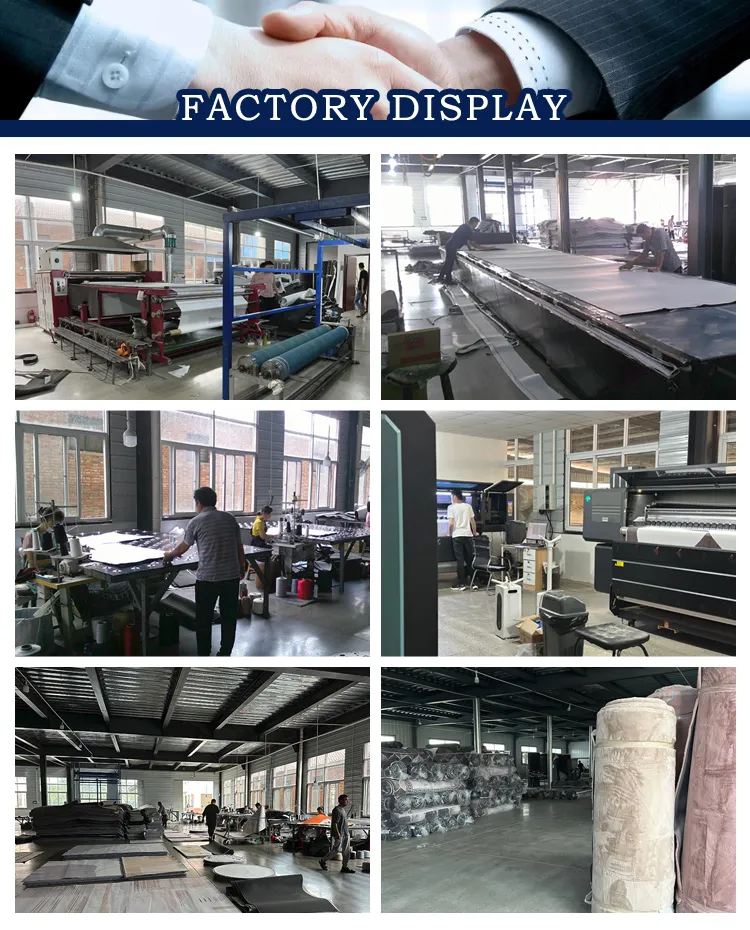
The foundation of a large faux fur rug lies in the choice of synthetic fibers. Predominantly, these are constructed from 100% polyester – specifically, variations like polyethylene terephthalate (PET) – and, to a lesser extent, acrylic fibers. Polyester’s prevalence is due to its cost-effectiveness, durability, and ability to be engineered for varying textures and pile heights. The manufacturing process begins with the extrusion of the molten polymer into continuous filaments. These filaments are then drawn (stretched) to increase tensile strength and oriented to improve uniformity. Following drawing, the fibers undergo crimping, a critical step that introduces bulk and allows for the creation of a fur-like texture. The base cloth, typically a woven or knitted polyester or polypropylene backing, is then embedded with the crimped fibers using a tufting or weaving process. Tufting involves inserting the fibers through the base cloth, securing them with a latex adhesive, and then applying a secondary backing for added stability and cushioning. Weaving interlaces the fibers directly into the base cloth. Pile height, density, and fiber characteristics (e.g., denier, crimp frequency) are precisely controlled parameters influencing the rug’s final texture and appearance. Dyeing is often performed post-tufting or weaving, utilizing specialized dyes compatible with the synthetic fiber composition. Quality control focuses on colorfastness, pile density uniformity, and adhesive strength to prevent fiber shedding. Fiber fineness, measured in denier, and fiber cross-sectional shape (round, trilobal, etc.) significantly impact the simulated fur's aesthetic quality and hand feel. Chemical compatibility of dyes and adhesives with the chosen fibers is paramount to prevent degradation and color bleeding.
Performance & Engineering
The performance of a large faux fur rug is evaluated based on several key engineering properties. Thermal resistance (R-value) is crucial, dictating the rug's insulation capacity – generally ranging from 0.8 to 1.5 R-value depending on pile height and density. Abrasion resistance, measured using methods like the Taber abrasion test, assesses the rug’s ability to withstand wear and tear from foot traffic; typical values are above 10,000 cycles for acceptable durability. Flammability is a significant safety consideration, with regulations such as California Proposition 65 (relating to formaldehyde emissions) and the Federal Flammable Fabrics Act (FFFA) dictating permissible flame spread and smoke development rates. Pile crush resistance is assessed by subjecting the rug to static load over prolonged periods, evaluating its ability to recover its original pile height. Colorfastness to light (measured using the Blue Scale) and washing (measured using the Gray Scale) are critical for maintaining aesthetic integrity. The structural integrity of the rug depends heavily on the adhesion between the pile fibers and the backing material. This bond strength is typically tested using peel tests. Environmental resistance factors, such as resistance to mold and mildew growth, are essential, especially in humid environments. UV resistance, though less critical for indoor use, is important if the rug is exposed to direct sunlight. Force analysis during manufacturing ensures uniform fiber distribution to prevent localized stress points that could lead to premature wear. Compliance with VOC emission standards (Volatile Organic Compounds) is increasingly important for indoor air quality, governed by standards like CARB Section 01802.
Technical Specifications
| Parameter | Typical Value | Testing Method | Units |
|---|---|---|---|
| Pile Height | 25-60 | Visual Measurement | mm |
| Pile Density | 800-1500 | Weight per Unit Area | g/m² |
| Fiber Material | 100% Polyester (PET) | FTIR Spectroscopy | - |
| Backing Material | Polyester/Polypropylene | Visual Inspection | - |
| Flammability (Flame Spread) | < 75 | ASTM D2859 | - |
| Abrasion Resistance | > 10,000 | ASTM D3886 (Taber Abraser) | Cycles |
| Colorfastness to Light | Grade 4-5 | ASTM D1654 | Blue Scale |
Failure Mode & Maintenance
Large faux fur rugs are susceptible to several failure modes. Fiber shedding is a common issue, particularly during the initial use phase, resulting from incomplete fiber anchoring during tufting or weaving. Pile crush, or permanent compression of the fibers, occurs due to sustained static load, leading to a flattened appearance. Delamination, the separation of the pile fibers from the backing, is often caused by adhesive failure exacerbated by moisture or mechanical stress. Oxidation of the polyester fibers, induced by prolonged exposure to UV radiation or elevated temperatures, can cause discoloration and embrittlement. Matting, or the tangling and interlocking of fibers, reduces the rug’s aesthetic appeal and can lead to uneven wear. Staining from spills is another common issue, requiring prompt and appropriate cleaning. Maintenance protocols include regular vacuuming to remove loose debris and prevent matting. Spot cleaning with a mild detergent and water is recommended for spills, avoiding harsh chemicals that could damage the fibers. Professional cleaning, utilizing low-moisture extraction methods, is advisable for deep cleaning. Preventative measures include rotating the rug to distribute wear evenly and avoiding direct sunlight exposure to minimize oxidation. Repairing delamination requires re-adhesive application and clamping. Regularly checking and re-securing the backing, especially in high-traffic areas, can also prolong the rug's lifespan. Early detection of these failure modes allows for timely intervention and extends the product’s serviceable life.
Industry FAQ
Q: What is the typical lifespan of a high-quality large faux fur rug?
A: The lifespan varies based on usage frequency and maintenance, but a well-constructed rug with a dense pile and strong backing can realistically last 5-10 years with proper care. Lower quality rugs may exhibit significant wear and shedding within 2-3 years.
Q: How does the denier of the polyester fiber affect the rug's texture and feel?
A: Lower denier fibers (e.g., <10) produce a softer, more luxurious feel, closely mimicking the texture of real fur. However, lower denier fibers are generally less durable. Higher denier fibers (e.g., 15-20) offer greater durability but may feel slightly coarser.
Q: What are the primary factors influencing the flame retardancy of faux fur rugs?
A: Flame retardancy is primarily achieved through the inherent properties of the polyester fibers and the application of flame-retardant treatments. The backing material also plays a role. Compliance with standards like FFFA is crucial, and the type of flame retardant used must be carefully selected to avoid toxicity concerns.
Q: How does the construction method (tufting vs. weaving) impact the rug’s performance?
A: Woven faux fur rugs generally exhibit greater durability and resistance to shedding compared to tufted rugs because the fibers are interlaced directly into the backing. Tufted rugs are typically more cost-effective to produce but are more prone to fiber loss.
Q: What VOC emissions are commonly associated with faux fur rugs, and how are they mitigated?
A: VOC emissions primarily stem from the adhesives used to secure the fibers to the backing and from residual monomers from the polyester production process. Low-VOC adhesives and thorough post-production ventilation processes are employed to minimize these emissions, ensuring compliance with standards like CARB Section 01802.
Conclusion
Large faux fur rugs represent a complex interplay of material science, manufacturing techniques, and performance engineering. The selection of polyester fibers, the control of pile characteristics, and the robustness of the backing system are paramount to achieving desired aesthetic and functional properties. Understanding potential failure modes, such as fiber shedding, delamination, and oxidation, is critical for implementing effective maintenance strategies and maximizing product lifespan.
The continued advancement of fiber technology and manufacturing processes will undoubtedly lead to even more realistic and durable faux fur options in the future. Focus areas include the development of bio-based polyester fibers, improved adhesive formulations with lower VOC emissions, and enhanced techniques for achieving superior pile density and crush resistance. Adherence to stringent industry standards related to flammability, VOC emissions, and performance characteristics will remain vital for ensuring consumer safety and product quality.