

Matted Faux Fur Performance Analysis
Introduction
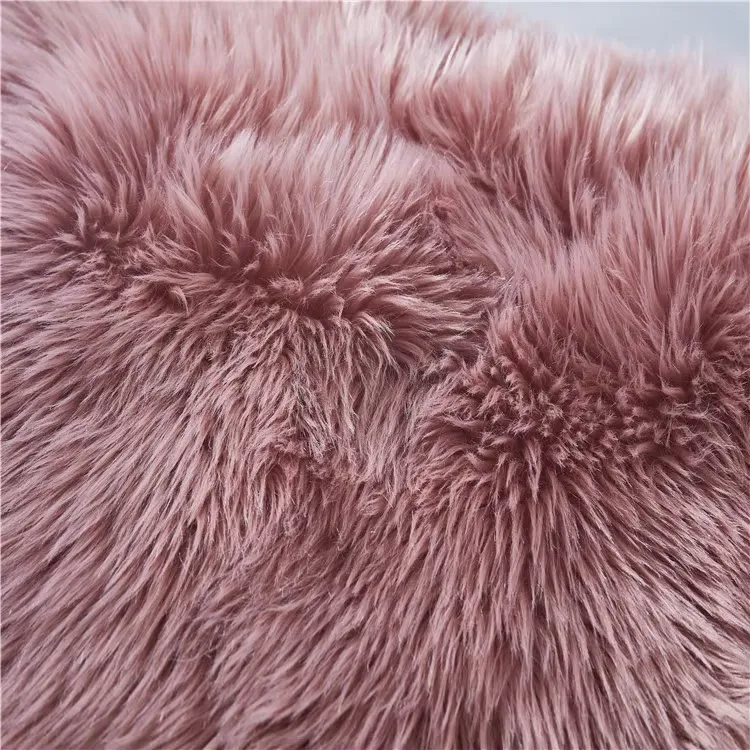
Matted faux fur, a synthetic material engineered to replicate the texture and appearance of animal fur, occupies a specific niche within the textile industry. Positioned between genuine fur and other synthetic fabrics, it serves as a cruelty-free and often more cost-effective alternative for applications ranging from fashion and home décor to specialized industrial uses like theatrical props and protective padding. Unlike traditional plush faux fur which prioritizes loft and sheen, matted faux fur emphasizes a deliberately subdued and compacted pile structure, simulating the worn or naturally dense appearance of certain animal coats. This characteristic significantly impacts its performance metrics, particularly relating to abrasion resistance, drape, and overall durability. Core performance indicators center on achieving a realistic aesthetic, maintaining structural integrity under stress, and meeting flammability standards appropriate for its intended application. Understanding the nuanced material science and manufacturing processes involved is crucial for optimizing its performance and ensuring consistency in the final product.
Material Science & Manufacturing
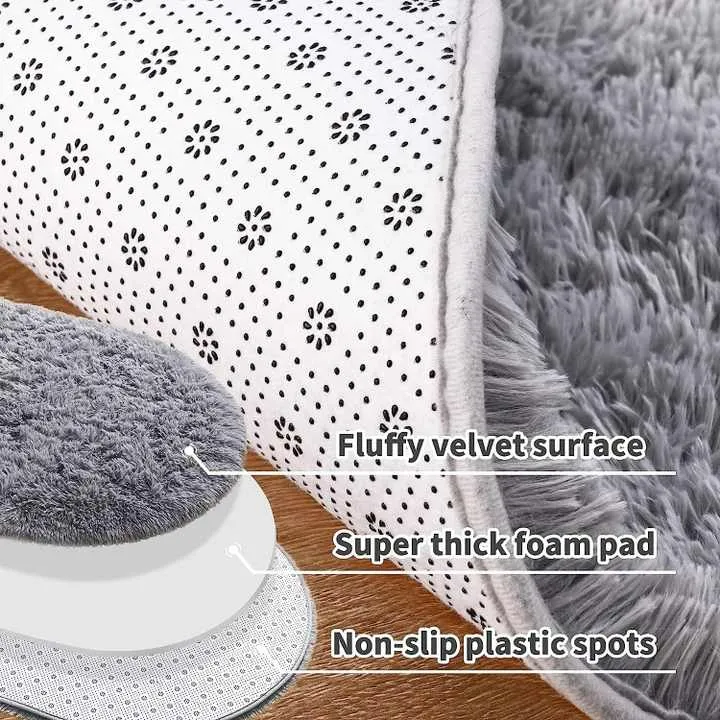
The foundation of matted faux fur lies in its constituent polymers, predominantly acrylics and modacrylics. Acrylic fibers, known for their wool-like feel and resistance to sunlight degradation, constitute the bulk of the pile. Modacrylics, often blended with acrylics, enhance the fiber's inherent flame retardancy and dyeability. The raw materials undergo extrusion, where molten polymer is forced through spinnerets to form continuous filaments. These filaments are then crimped – a critical step influencing the final texture. Unlike the pronounced crimp of traditional faux fur, the crimp in matted faux fur is deliberately minimized, contributing to the denser, flatter pile. Manufacturing proceeds via a tufting process. Yarn is inserted into a backing material (typically a woven or non-woven polypropylene fabric) to create the looped pile. A key differentiator in matted faux fur production is the subsequent ‘matting’ or ‘brushing’ operation. This involves a mechanical process utilizing specialized rollers and brushes to lay the fibers down, interlock them, and reduce the pile height, achieving the desired matted appearance. Parameter control during brushing is paramount. Brush speed, roller pressure, and fiber density all influence the final pile compaction and overall hand feel. Dyeing occurs either prior to tufting (solution dyeing, offering superior colorfastness) or after (piece dyeing, allowing for greater color flexibility). Finally, a backing coating (often polyurethane foam) is applied to provide dimensional stability and enhance the fabric’s drape.
Performance & Engineering
The performance of matted faux fur is governed by several key engineering considerations. Abrasion resistance is paramount, particularly in high-traffic applications like costumes or upholstery. The tightly compacted pile structure offers improved resistance to fiber shedding and surface wear compared to conventional faux fur. However, the acrylic fibers are susceptible to pilling with prolonged abrasion. Force analysis reveals that the interlocked fiber structure distributes stress effectively, preventing localized deformation. The backing material contributes significantly to tensile strength and tear resistance. Environmental resistance is a critical factor. While acrylics exhibit good resistance to sunlight, prolonged exposure to UV radiation can lead to discoloration and degradation of the polymer chains. Moisture absorption is relatively low, which reduces the risk of mildew growth, but can contribute to static buildup. Flammability is a major concern. Acrylics are inherently flammable and typically require treatment with flame retardants to meet industry standards. Compliance requirements vary based on the end-use application. For example, fabrics used in children's sleepwear must meet stringent flammability regulations (e.g., 16 CFR Part 1610 in the US). The density of the matted pile influences thermal insulation properties, making it suitable for certain protective clothing applications. Careful consideration of fiber denier, pile height, and backing weight is necessary to optimize performance characteristics for specific applications.
Technical Specifications
| Parameter | Unit | Typical Value (Range) | Test Method |
|---|---|---|---|
| Pile Fiber Composition | % | Acrylic 80-90%, Modacrylic 10-20% | FTIR Spectroscopy |
| Pile Height | mm | 5-10 | ASTM D1295 |
| Pile Density | g/m² | 150-300 | ASTM D3884 |
| Backing Fabric Weight | g/m² | 80-120 | ASTM D774 |
| Tensile Strength (Warp) | N/5cm | 150-250 | ASTM D4151 |
| Tensile Strength (Weft) | N/5cm | 120-200 | ASTM D4151 |
| Abrasion Resistance (Wyzenbeek) | Cycles | 500-1000 | ASTM D4157 |
| Flammability (Horizontal Flame Spread) | mm/min | <25 (after flame retardant treatment) | ASTM D6413 |
Failure Mode & Maintenance
Matted faux fur, despite its robust construction, is susceptible to several failure modes. Fiber degradation due to prolonged UV exposure is a common issue, resulting in discoloration and loss of pile integrity. Mechanical stress, particularly repeated abrasion, can lead to fiber breakage and pilling. This is exacerbated in areas of high wear. Delamination of the pile from the backing fabric can occur, especially if the adhesive bond between the two layers is compromised by moisture or excessive stress. Chemical exposure to harsh detergents or solvents can dissolve or weaken the acrylic fibers, causing discoloration or disintegration. Oxidation, though slower than in natural fibers, can affect the polymer chains over time, reducing flexibility and contributing to brittleness. Maintenance is crucial for extending the lifespan of matted faux fur. Regular vacuuming with a soft brush attachment helps remove dust and debris, preventing matting and reducing abrasion. Spot cleaning with a mild detergent and water is recommended for localized stains. Avoid harsh chemicals, bleach, and excessive heat. Professional dry cleaning may be necessary for more thorough cleaning, but should be approached with caution to avoid damaging the fibers. Proper storage in a cool, dry, and dark environment minimizes UV exposure and prevents mildew growth. For repairs, re-tufting or patching with matching material can address localized damage.
Industry FAQ
Q: What is the primary difference between matted faux fur and standard plush faux fur concerning durability for theatrical costumes?
A: Standard plush faux fur prioritizes aesthetic appeal—a high, lustrous pile—but this compromises abrasion resistance. The longer fibers are more prone to shedding and damage during rigorous use in a theatrical setting. Matted faux fur, with its tightly compacted and shorter pile, offers significantly improved resistance to abrasion and wear, making it a more durable choice for costumes requiring frequent handling and movement.
Q: How does the choice of backing material affect the overall performance of matted faux fur used in upholstery applications?
A: The backing material plays a crucial role in providing structural support and dimensional stability. A woven polypropylene backing offers superior tensile strength and tear resistance compared to a non-woven alternative, making it better suited for upholstery subjected to high stress. The weight of the backing also impacts durability; a heavier backing generally provides greater support. Furthermore, the backing’s porosity affects breathability and moisture management.
Q: We require flame retardancy for our faux fur application. What is the typical method for achieving this, and what compromises might be expected?
A: Flame retardancy is typically achieved through topical or integral flame retardant treatments. Topical treatments involve applying a chemical coating to the fabric surface. Integral treatments incorporate flame retardant additives into the polymer during fiber extrusion. While both methods increase flame resistance, they can potentially alter the hand feel of the fabric, reduce its breathability, and in some cases, affect colorfastness. Testing is critical to ensure compliance with relevant flammability standards while minimizing these compromises.
Q: What is the expected lifespan of matted faux fur used in pet bedding, considering typical wear and tear and cleaning cycles?
A: The expected lifespan of matted faux fur in pet bedding is typically 1-3 years, depending on the intensity of use and the frequency of cleaning. Pet claws can cause fiber damage and pilling. Regular vacuuming and gentle washing (following manufacturer’s instructions) are essential for extending the lifespan. Expect some degradation of the pile over time, even with diligent care.
Q: Can the color of matted faux fur fade over time, and if so, what preventative measures can be taken?
A: Yes, color fading can occur due to prolonged exposure to UV radiation. To mitigate this, minimize direct sunlight exposure. Utilizing solution-dyed fibers, which have color integrated throughout the fiber structure, offers superior colorfastness compared to piece-dyed materials. Employing UV protectant sprays (specifically designed for synthetic fabrics) can also help slow down the fading process.
Conclusion
Matted faux fur represents a versatile synthetic textile, offering a compelling balance of aesthetic realism, durability, and cost-effectiveness. Its unique manufacturing process, particularly the matting operation, defines its characteristic densely packed pile, resulting in enhanced abrasion resistance and a distinct tactile experience. Understanding the material science – specifically the properties of acrylic and modacrylic polymers – is critical for predicting performance and addressing potential failure modes. Careful consideration of factors like UV exposure, chemical compatibility, and flammability is paramount for ensuring the longevity and safety of products utilizing this material.
The continued development of advanced fiber technologies and flame retardant treatments will further enhance the performance and broaden the applications of matted faux fur. Future research could focus on improving the sustainability of acrylic fiber production and developing more environmentally friendly flame retardant alternatives. Optimizing the matting process to achieve even greater pile compaction and wear resistance remains a key area for innovation. Ultimately, a comprehensive understanding of the technical specifications and performance characteristics of matted faux fur empowers manufacturers and designers to leverage its unique capabilities effectively.