


pink faux fur rug Performance Analysis
Introduction
Pink faux fur rugs represent a significant segment within the broader decorative textiles industry, serving a primarily aesthetic function in residential and, increasingly, commercial spaces. These rugs are engineered to mimic the look and feel of natural fur, offering a cruelty-free and often more cost-effective alternative. Their technical position lies in the convergence of polymer chemistry, textile manufacturing, and color science. Core performance characteristics center around pile height, fiber density, backing material durability, and resistance to shedding. A key industry pain point revolves around achieving consistent colorfastness and maintaining a luxurious feel despite abrasion and regular use. Furthermore, manufacturers grapple with balancing affordability with compliance to increasingly stringent flammability and VOC emission standards. The demand for sustainable materials is also driving research into bio-based polymers for faux fur production.
Material Science & Manufacturing
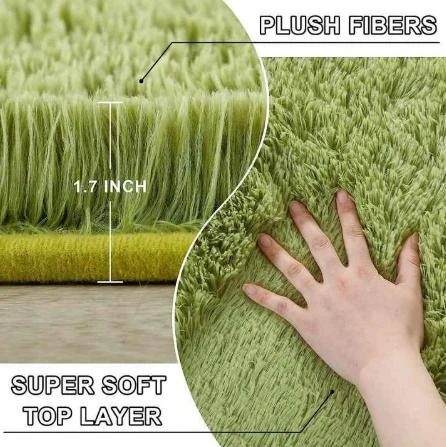
The primary material composing pink faux fur rugs is typically a synthetic polymer, most commonly polypropylene (PP) or polyester (PET). Polypropylene is favored for its cost-effectiveness, resilience, and inherent hydrophobicity, making it resistant to staining. Polyester, while generally more expensive, offers superior dyeability and a softer texture. The manufacturing process begins with the polymerization of the chosen monomer. This is followed by melt spinning, where the polymer is extruded through spinnerets to form continuous filaments. These filaments are then crimped to create bulk and texture. Dyeing is a crucial stage, utilizing solution dyeing or yarn dyeing techniques to achieve the desired pink hue. Solution dyeing, where pigment is added during the melt spinning process, offers superior colorfastness. The dyed filaments are then tufted into a primary backing material, typically made of polypropylene or jute. This backing provides structural integrity. A secondary backing, often latex or foam rubber, is applied to enhance cushioning and prevent slippage. Pile height and density are carefully controlled during tufting, influencing the rug’s overall softness and appearance. Key parameters include yarn denier (fiber thickness), stitch rate, and loop pile vs. cut pile configuration. Achieving consistent pile height uniformity is critical to avoiding visual defects and ensuring consistent foot feel.
Performance & Engineering
The performance of a pink faux fur rug is governed by several engineering principles. Shear forces during foot traffic and furniture movement place stress on the fiber anchorage within the backing. Therefore, the tufting process and adhesive strength of the secondary backing are paramount. Tensile strength of the fibers dictates their resistance to tearing and abrasion. The pile density influences the distribution of load and minimizes wear. Environmental resistance is another crucial factor. Prolonged exposure to UV radiation can cause fading and degradation of the polymer fibers. Therefore, UV stabilizers are often incorporated during the manufacturing process. Flammability is a significant safety concern, addressed through the application of flame retardant treatments to meet regulatory standards. Compliance with standards such as California Proposition 65 regarding VOC emissions is also essential. Furthermore, the rug's weight and dimensional stability are important engineering considerations. The backing material must resist stretching and shrinking, maintaining the rug's shape over time. Moisture management, while not a primary concern for faux fur (as opposed to natural fibers), is relevant in preventing mildew growth within the backing if exposed to spills or high humidity.
Technical Specifications
| Parameter | Unit | Typical Value (Range) | Test Method |
|---|---|---|---|
| Pile Height | mm | 25-50 | ASTM D593 |
| Fiber Density | g/m² | 800-1500 | Visual Inspection & Weight Measurement |
| Total Weight | kg/m² | 1.2-2.5 | Weight Measurement |
| Tensile Strength (Fiber) | MPa | 40-70 (PP), 60-90 (PET) | ASTM D2256 |
| Colorfastness to Light | Grade (1-5) | 4-5 | ISO 105-B02 |
| Flammability (Backing) | Pass/Fail | Pass (meeting relevant regional standards) | ASTM E84 or equivalent |
Failure Mode & Maintenance
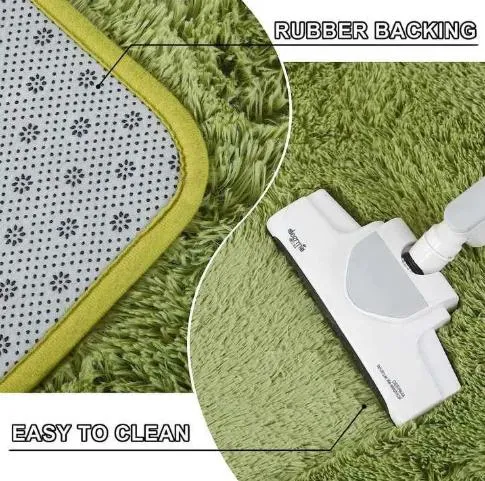
Pink faux fur rugs are susceptible to several failure modes. Shedding, the loss of fibers from the pile, is a common issue, particularly during initial use. This is due to loose fibers not fully anchored during tufting. Fiber fatigue, caused by repeated bending and compression, can lead to breakage and a reduction in pile density. Delamination, the separation of the secondary backing from the primary backing, occurs when the adhesive bond fails, often due to moisture exposure or mechanical stress. Color fading, resulting from UV degradation, is a significant aesthetic concern, particularly in brightly lit rooms. Matting, or flattening of the pile, occurs in high-traffic areas due to fiber compression. Finally, staining from spills can permanently alter the rug's appearance. Maintenance recommendations include regular vacuuming to remove loose debris and prevent matting. Spot cleaning with a mild detergent is recommended for spills, avoiding harsh chemicals that can damage the fibers. Professional cleaning is advisable for deep cleaning and stain removal. Avoiding prolonged direct sunlight exposure can minimize color fading. To mitigate delamination, ensuring a dry environment is crucial. Regularly rotating the rug can distribute wear and prevent localized damage.
Industry FAQ
Q: What is the difference between polypropylene and polyester faux fur, and which is better for high-traffic areas?
A: Polypropylene (PP) is more durable and stain-resistant, making it a better choice for high-traffic areas. While polyester (PET) is softer and dyes more vibrantly, it's less resilient to abrasion. PP's inherent hydrophobic properties also make it easier to clean and maintain. However, PET offers a more luxurious feel, which might be preferable in low-traffic, primarily decorative spaces.
Q: How can I prevent color fading from sunlight exposure?
A: The most effective method is to minimize direct sunlight exposure. Use curtains, blinds, or place the rug in a less-sunny area. Look for faux fur rugs treated with UV stabilizers during manufacturing. Regularly rotating the rug can also help distribute light exposure and prevent uneven fading.
Q: What are the common causes of shedding in new faux fur rugs?
A: Shedding is typically caused by loose fibers that weren't fully secured during the tufting process. It's common in new rugs and usually diminishes with vacuuming. Thoroughly vacuuming the rug, initially in the direction of the pile, and then against it, can help remove these loose fibers.
Q: Are faux fur rugs fire resistant? What certifications should I look for?
A: Faux fur rugs are typically treated with flame retardants to meet safety standards. However, they are not inherently fireproof. Look for certifications like FR-701 or compliance with California Proposition 65 flammability requirements. The specific standard will vary depending on the region and intended application.
Q: How do I effectively clean a faux fur rug without damaging the fibers?
A: Regular vacuuming is key. For spot cleaning, use a mild detergent diluted in cool water and gently blot the stain – avoid rubbing vigorously. Harsh chemicals can damage the fibers. Professional cleaning is recommended for deep cleaning and stubborn stains. Always test cleaning solutions on an inconspicuous area first.
Conclusion
Pink faux fur rugs offer a compelling combination of aesthetic appeal, affordability, and ethical considerations, positioning them as a popular choice in both residential and commercial interiors. The technical performance of these rugs is fundamentally linked to the properties of the synthetic polymers used, the precision of the manufacturing processes, and adherence to relevant safety and environmental standards. Understanding the potential failure modes – shedding, delamination, fading, and matting – is crucial for selecting a high-quality rug and implementing appropriate maintenance practices.
Future advancements in faux fur technology are likely to focus on bio-based polymers, enhanced colorfastness, and improved durability. Furthermore, innovations in tufting techniques and backing materials will contribute to increased resistance to wear and tear. As consumer demand for sustainable and cruelty-free products continues to grow, pink faux fur rugs are poised to remain a significant segment of the decorative textile market, with ongoing advancements addressing current performance limitations.