

pink fur rug Performance Analysis
Introduction
Pink fur rugs, categorized as pile textiles, represent a significant segment within the broader decorative flooring market. These rugs typically consist of a backing material onto which synthetic or natural fibers are affixed, creating a soft, plush surface. Their technical position lies between commodity textile production and specialized interior design elements. Core performance characteristics center around pile density, fiber durability, colorfastness, and dimensional stability. The industry faces persistent challenges relating to sustainable sourcing of materials, reducing shedding, and maintaining consistent texture and coloration across large production runs. Beyond aesthetic appeal, functional considerations include thermal insulation, sound dampening, and slip resistance, factors critically evaluated by both residential and commercial buyers.
Material Science & Manufacturing
The predominant material in pink fur rugs is typically a synthetic fiber, most commonly polypropylene (PP) or polyester. Polypropylene is favoured for its cost-effectiveness, inherent stain resistance, and relatively good durability. However, it exhibits lower UV resistance, potentially leading to fading with prolonged sun exposure. Polyester, while more expensive, offers superior UV resistance and a softer hand feel. The backing materials typically involve jute, felt, or a combination of synthetic latex and canvas. Manufacturing begins with fiber extrusion – polypropylene or polyester pellets are melted and forced through spinnerets to create filaments. These filaments are then heat-set and crimped to create bulk and texture. The pile construction usually employs a tufting process where the fibers are inserted into the backing material. Key parameter control includes pile height, fiber denier (thickness), tuft density (stitches per square inch), and the type and concentration of latex adhesive used to secure the fibers. Dyeing is typically performed on the fibers before tufting, using solution dyeing techniques for superior colorfastness. Finishing processes include shearing to achieve uniform pile height, brushing to enhance softness, and application of anti-shedding treatments. Quality control focuses on assessing fiber composition, pile weight, color matching, and dimensional accuracy. Critical manufacturing defects include uneven pile distribution, fiber breakage during tufting, and inadequate adhesive bonding.
Performance & Engineering
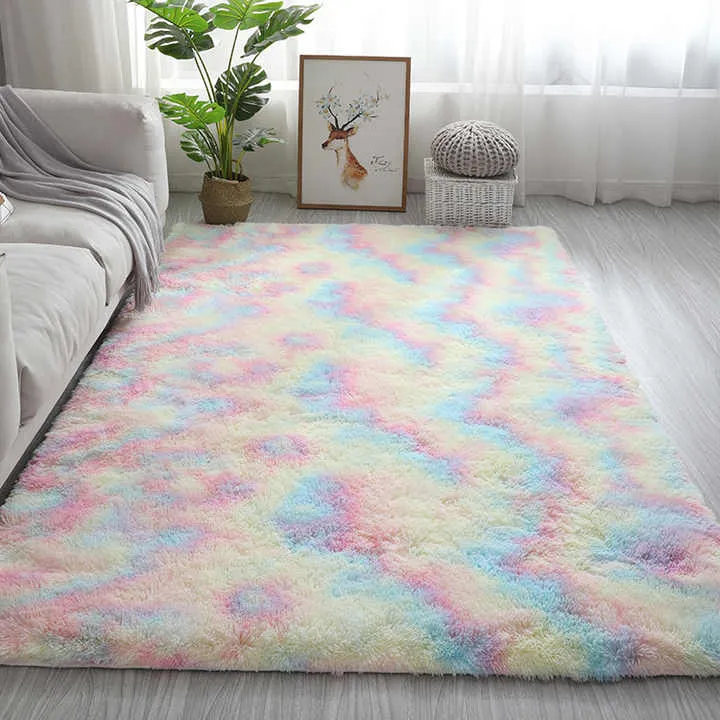
Performance analysis of pink fur rugs focuses on several key areas. Firstly, abrasion resistance, assessed through methods like the Taber abrasion test (ASTM D3886), determines the rug's ability to withstand foot traffic and maintain pile integrity. Secondly, colorfastness to light (ASTM D1654) and washing (AATCC 163) are crucial, particularly given the potential for color fading in pink hues. Tensile strength and elongation of both the pile fibers and the backing material are critical for resisting tearing and stretching. Flammability is addressed through tests like the pill test (16 CFR 1610), determining the rug's resistance to ignition and spread of flames. Environmental resistance assessments involve evaluating the rug's performance in humid conditions – moisture absorption and the potential for mold growth are concerns. Compliance requirements vary by region. In the US, the Federal Flammability Standard (FFS) 16 CFR 1610 dictates flammability performance. In Europe, EN 13501-1 addresses fire classification of textile floor coverings. Slip resistance, measured using the inclined plane test (ASTM D2047), is crucial for safety, particularly in high-traffic areas. Engineering considerations also include optimizing pile height and density to balance comfort, durability, and cost. A higher pile height generally offers greater comfort but may be less durable. Understanding the interplay of these parameters is critical for designing rugs that meet specific performance requirements.
Technical Specifications
| Parameter | Polypropylene (PP) | Polyester | Jute Backing |
|---|---|---|---|
| Fiber Denier (dtex) | 200-500 | 300-800 | N/A |
| Pile Height (mm) | 25-50 | 25-60 | N/A |
| Tuft Density (stitches/sq inch) | 80-120 | 90-150 | N/A |
| Tensile Strength (MPa) | 40-60 | 60-80 | 30-50 |
| Elongation at Break (%) | 150-250 | 200-300 | 10-20 |
| Colorfastness to Light (Rating 1-5) | 3-4 | 4-5 | N/A |
Failure Mode & Maintenance
Pink fur rugs are susceptible to several failure modes. Shedding is a common issue, particularly in the initial stages of use, caused by loose fibers detaching from the pile. This can be mitigated by applying a latex coating during manufacturing. Pile crushing occurs due to prolonged compression, leading to a loss of loft and softness. This is more pronounced in areas with high foot traffic. Fading is a concern, especially with polypropylene rugs exposed to direct sunlight, leading to a loss of the vibrant pink coloration. Fiber breakage can occur due to abrasion or repeated bending, reducing the rug's overall durability. Delamination refers to the separation of the pile from the backing material, typically caused by adhesive failure. Staining is a significant issue, requiring prompt attention to prevent permanent discoloration. Maintenance recommendations include regular vacuuming (using a brush attachment to avoid damaging the fibers), spot cleaning with mild detergent and water, and professional cleaning every 12-18 months. Avoiding direct sunlight and rotating the rug periodically can help minimize fading and uneven wear. Promptly addressing spills and stains is critical to prevent permanent damage. For severe damage, professional rug repair services may be required.
Industry FAQ
Q: What is the primary difference between polypropylene and polyester pink fur rugs in terms of long-term durability?
A: While both are durable, polyester generally offers superior abrasion resistance and maintains its pile height longer than polypropylene. Polypropylene is more prone to pile crushing under heavy foot traffic, leading to a flatter appearance over time. Polyester also resists deformation better.
Q: How does the backing material impact the overall performance and lifespan of the rug?
A: The backing provides structural integrity. Jute is a natural, breathable material but is susceptible to moisture damage and mildew. Synthetic latex-backed rugs offer better water resistance and dimensional stability. A high-quality backing prevents delamination and maintains the rug's shape.
Q: What methods can be employed to reduce shedding in a new pink fur rug?
A: Initial shedding is inevitable. Thorough vacuuming for the first few weeks helps remove loose fibers. A latex coating applied during manufacturing significantly reduces shedding. Using a rug pad can also help stabilize the rug and minimize fiber loss.
Q: What are the key considerations when selecting a pink fur rug for a high-traffic area?
A: Opt for a rug with a higher tuft density and a lower pile height, as these characteristics contribute to increased durability. Polyester fiber is preferable to polypropylene for its superior abrasion resistance. A robust backing material, such as a synthetic latex blend, is also essential.
Q: What cleaning agents are safe to use on pink fur rugs, and what should be avoided?
A: Mild detergent and water are generally safe. Avoid harsh chemicals, bleach, and abrasive cleaners, as these can damage the fibers and cause discoloration. Always test any cleaning solution in an inconspicuous area first. Professional cleaning is recommended for deep cleaning and stain removal.
Conclusion
Pink fur rugs, while primarily aesthetic elements, represent a complex interplay of material science, manufacturing processes, and performance engineering. Selecting the appropriate materials—polypropylene or polyester pile, coupled with a suitable backing—is paramount for achieving desired levels of durability, colorfastness, and dimensional stability. Understanding potential failure modes, such as shedding, pile crushing, and delamination, allows for proactive maintenance strategies that extend the rug’s lifespan and preserve its visual appeal.
The industry is continually evolving, with a growing emphasis on sustainable sourcing of materials and environmentally friendly manufacturing practices. Future innovations are likely to focus on developing bio-based fibers, reducing water consumption during dyeing processes, and improving the recyclability of rug components. A thorough understanding of the technical specifications and performance characteristics outlined in this guide is essential for procurement professionals and designers seeking to make informed decisions.