


small fur rug Performance Engineering

Introduction
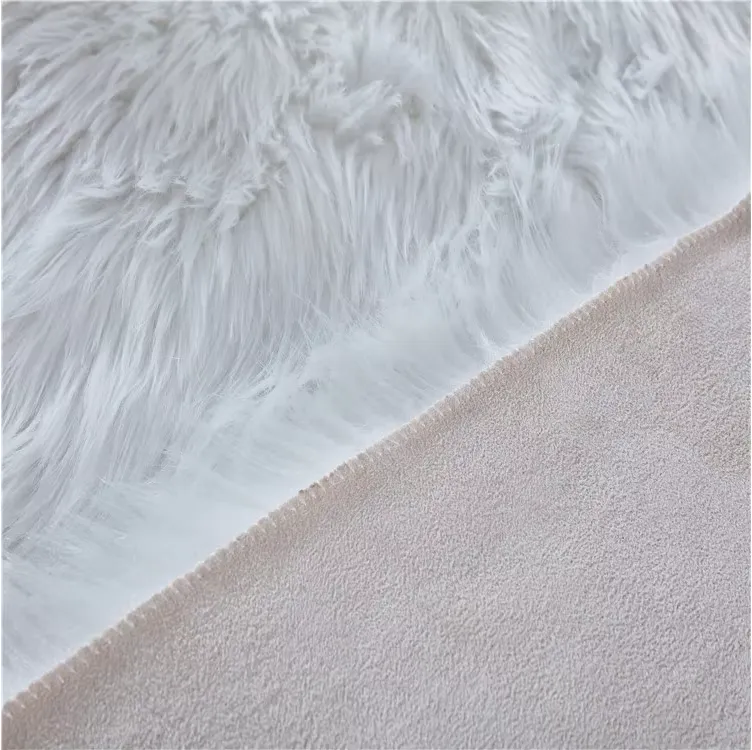
Small fur rugs, commonly utilized as decorative floor coverings and tactile comfort elements, represent a specialized niche within the broader textile and home furnishings industry. Their construction typically involves the attachment of fur – either natural animal hide or synthetic fiber – to a backing material, creating a soft, plush surface. The technical position of a small fur rug lies at the intersection of materials science, textile manufacturing, and consumer product safety standards. Core performance characteristics include thermal insulation, aesthetic appeal, durability (resistance to abrasion and crushing), and, crucially, the consistency of fiber retention. Understanding these aspects is vital for manufacturers, retailers, and consumers, particularly regarding long-term maintenance and potential allergen concerns. The industry faces ongoing challenges related to sourcing ethically-produced fur (natural variations) or consistently-performing synthetic alternatives and meeting increasing demands for eco-friendly manufacturing processes and sustainable materials.
Material Science & Manufacturing
The foundation of a small fur rug’s characteristics rests upon its constituent materials. Natural fur rugs traditionally utilize hides sourced from animals like sheepskin, rabbit, or mink. These materials exhibit complex fibrous structures composed primarily of keratin, a protein providing inherent thermal properties and resilience. Manufacturing involves tanning processes to preserve the hide, followed by shearing to achieve the desired pile height and density. Synthetic fur rugs, conversely, employ acrylic, polyester, or polypropylene fibers. These fibers are manufactured via extrusion and then attached to a backing material – commonly jute, latex, or PVC – through weaving, knitting, or tufting techniques. Parameter control is critical throughout. For natural fur, consistent tanning protocols (pH levels, chromium sulfate concentration) directly impact softness and longevity. Synthetic fiber production requires precise control of polymer molecular weight and denier to achieve the desired texture and resilience. Tufting density (stitches per inch) and backing adhesive strength determine overall structural integrity. Furthermore, the quality of the backing material profoundly affects the rug’s dimensional stability and resistance to delamination. Colorfastness is achieved through dyeing processes, requiring rigorous testing to ensure resistance to fading from UV exposure and washing.
Performance & Engineering
Performance assessment of small fur rugs involves multiple engineering considerations. Pile compression resistance is paramount, particularly in high-traffic areas. This is quantified through standardized tests measuring pile recovery after repeated loading. Tensile strength of both the fur fibers (or hide) and the backing material directly correlates to durability. Fiber loss – assessed through abrasion testing (e.g., Taber abrasion) – is a critical failure point. Environmental resistance includes assessing colorfastness to light (ASTM D1654) and resistance to water absorption (ASTM D2047). Crucially, flammability is a major safety concern, requiring compliance with stringent standards like California Technical Bulletin 117. For natural fur rugs, understanding moisture management is essential. Keratin fibers can absorb significant moisture, potentially leading to shrinkage or mildew growth if not properly dried. Synthetic rugs, while generally more resistant to moisture, may be susceptible to static buildup. Engineering also includes assessing the rug’s interaction with common flooring types (wood, tile, carpet) to prevent scratching or staining. The weight distribution and contact area also influence slip resistance, a significant safety factor in domestic environments.
Technical Specifications
| Parameter | Natural Sheepskin Rug (Typical) | Synthetic Acrylic Rug (Typical) | Units |
|---|---|---|---|
| Pile Height | 20-30 | 15-25 | mm |
| Pile Density | 150-250 | 120-200 | fibers/inch² |
| Backing Material | Leather/Suede | Jute/Latex | - |
| Tensile Strength (Pile) | 50-80 | 40-60 | N/cm |
| Water Absorption | 30-40 | 5-10 | % weight |
| Flammability (Pass/Fail) | Pass (with treatment) | Pass | - |
Failure Mode & Maintenance
Small fur rugs are susceptible to several failure modes. For natural fur, degradation of the keratin fibers due to UV exposure and oxidation is a primary concern, leading to brittleness and color fading. Moth infestation is another significant risk, necessitating preventative treatments. Delamination of the fur from the backing is a common issue, particularly if the adhesive bond weakens over time. Crushing of the pile, resulting in a flattened appearance, occurs with prolonged pressure. Synthetic fur rugs are prone to matting and fiber shedding, especially with frequent use. UV degradation affects acrylic fibers, causing discoloration and loss of resilience. The backing material in both types can crack or become brittle with age. Maintenance is crucial for extending the lifespan. Regular vacuuming removes dust and debris. Professional cleaning (dry cleaning for natural fur, spot cleaning for synthetic) is recommended for deep cleaning. Avoid prolonged exposure to direct sunlight. For natural fur rugs, periodic brushing helps maintain pile loft. Proper storage in a cool, dry, and well-ventilated area prevents mildew and moth damage. Addressing stains promptly with appropriate cleaning agents minimizes permanent discoloration.
Industry FAQ
Q: What are the key differences in durability between a natural sheepskin rug and a synthetic acrylic rug?
A: Natural sheepskin, while incredibly soft, is generally less abrasion-resistant than acrylic. The keratin fibers can wear down more quickly under sustained foot traffic. Acrylic, being a manufactured polymer, exhibits higher tensile strength and resistance to crushing. However, acrylic is more prone to matting and fiber shedding over time, while sheepskin can be restored with proper brushing. Ultimately, durability depends on the quality of materials and manufacturing processes used for both types.
Q: How do I determine if a natural fur rug is ethically sourced?
A: Ethical sourcing is a complex issue. Look for certifications like those from the Furmark program, which tracks fur from farm to finished product. Inquire about the farm’s animal welfare practices – space allowance, feeding, and humane slaughter methods. Traceability is key; reputable suppliers should be able to provide documentation verifying the origin of the fur. Avoid purchasing fur from endangered or threatened species.
Q: What are the flammability requirements for small fur rugs intended for sale in the US?
A: Small fur rugs must comply with California Technical Bulletin 117, which assesses the smolder resistance of upholstery materials. This test determines how quickly a material ignites and burns when exposed to a smoldering source. Passing this test is crucial for legal sale in California and is often adopted as a standard across the US. Some rugs may require flame-retardant treatments to meet these requirements.
Q: What is the impact of backing material on the overall performance of a fur rug?
A: The backing material provides structural support and dimensional stability. Jute backing is natural and breathable, but less durable. Latex offers better cushioning and durability but can degrade over time. PVC is highly durable and water-resistant, but less environmentally friendly. The adhesive used to attach the fur to the backing is also critical; a weak bond will lead to delamination and premature failure.
Q: How can I minimize fiber shedding in a new synthetic fur rug?
A: Initial fiber shedding is common in new synthetic rugs. Regular vacuuming (using a suction-only nozzle) helps remove loose fibers. Avoid excessive agitation or scrubbing. Consider using a rug pad to provide cushioning and prevent movement, which can exacerbate shedding. Over time, shedding will diminish as the loose fibers are removed.
Conclusion
Small fur rugs, whether crafted from natural or synthetic materials, represent a complex interplay of material science, manufacturing expertise, and performance engineering. The selection of appropriate materials, meticulous control of production parameters, and adherence to stringent safety standards are essential for delivering a durable, aesthetically pleasing, and safe product. Understanding the potential failure modes – from fiber degradation to delamination – enables proactive maintenance strategies and extends the lifespan of the rug.
The industry’s future will likely be shaped by increasing demands for sustainable materials, ethical sourcing practices, and eco-friendly manufacturing processes. Innovations in fiber technology and adhesive formulations will continue to enhance the performance and longevity of small fur rugs. Furthermore, the integration of smart textile technologies – such as antimicrobial treatments and stain-resistant coatings – promises to address evolving consumer needs and elevate the overall value proposition of these popular home furnishings.