

type of carpet for living room Performance Analysis
Introduction
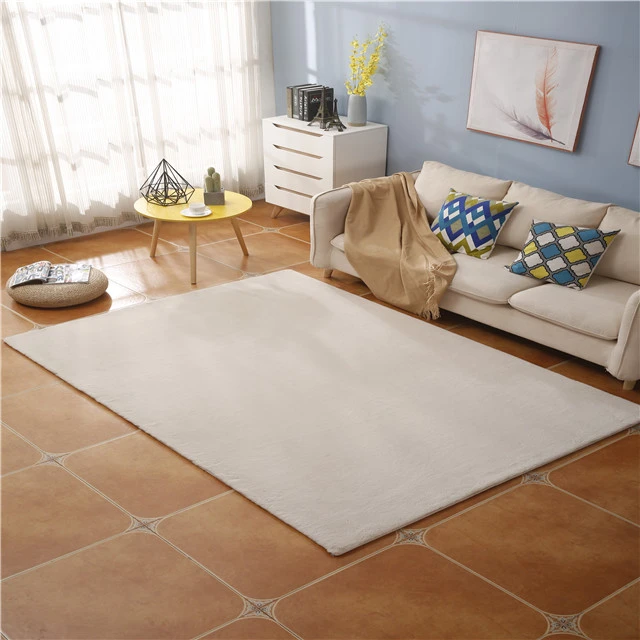
Carpeting for living rooms represents a significant component of interior design, extending beyond aesthetic considerations to encompass crucial factors like durability, comfort, and safety. This technical guide details the material science, manufacturing processes, performance characteristics, potential failure modes, and maintenance protocols associated with common living room carpet constructions. The selection of appropriate carpeting is driven by a complex interplay of factors, including foot traffic levels, environmental conditions, and specific performance requirements. Current industry trends favor synthetic fibers, particularly polypropylene (olefin) and nylon, due to their cost-effectiveness and enhanced stain resistance, although wool remains a premium option for its natural properties. Understanding the nuanced technical aspects of carpet construction is paramount for informed procurement decisions and ensuring long-term performance and value.
Material Science & Manufacturing
Living room carpets are typically constructed from a combination of pile fibers, backing materials, and adhesives. Common pile fibers include nylon (polyamide), polypropylene (olefin), polyester (polyethylene terephthalate), and wool. Nylon exhibits high tensile strength, resilience, and abrasion resistance, making it suitable for high-traffic areas. Polypropylene is hydrophobic, offering excellent stain resistance and a lower cost profile, but generally lower resilience. Polyester provides good color clarity and inherent stain resistance, though it's less durable than nylon. Wool, a natural fiber, provides exceptional warmth, softness, and inherent flame retardancy, but it is susceptible to moth damage and requires specialized cleaning. Backing materials commonly include polypropylene, jute, and synthetic latex.
Manufacturing processes vary depending on the carpet type. Cut pile carpets, offering a plush feel, are created by looping yarn through the primary backing and then cutting the loops. Loop pile carpets, more durable and stain-resistant, maintain the yarn loops intact. Tufting is the predominant manufacturing method, involving inserting yarn into a primary backing by needles. The secondary backing is then applied using adhesives, providing structural integrity. Key parameter control includes yarn denier (fiber thickness), pile density (yarn ends per unit area), gauge (yarns per inch), and twist level (yarn turns per inch). Precise control of these parameters significantly influences the carpet's performance characteristics. Extrusion of synthetic polymers is a critical first step, requiring careful regulation of temperature, pressure, and additive concentrations to achieve desired fiber properties. Proper curing of adhesives is also vital to prevent delamination.
Performance & Engineering
The performance of living room carpets is evaluated based on several key engineering parameters. Abrasion resistance, measured by the Taber abrasion test (ASTM D5963), indicates the carpet's ability to withstand wear from foot traffic. Crush resistance (ASTM D5964) assesses the pile’s ability to recover from compression. Pile retention force (ASTM D5965) measures the tenacity of the pile fibers, predicting shedding. Colorfastness to light (ASTM D1654) and crocking (ASTM D4157) are critical for maintaining aesthetic appearance. Static propensity (ASTM D5690) determines the carpet’s tendency to accumulate static electricity. Flammability performance is assessed according to standards like UL 94 and NFPA 253.
Force analysis dictates that higher pile density and yarn weight contribute to improved durability and resilience. Environmental resistance is crucial; carpets exposed to direct sunlight require UV stabilizers in the fiber formulation to prevent fading. Moisture resistance is critical to prevent mold and mildew growth. Compliance requirements include adherence to VOC emission standards (California Department of Public Health Section 01350) and flammability regulations. Functional implementation considers the intended use of the living room – a family room with heavy use necessitates a higher pile weight and more durable fiber, while a formal living room may prioritize aesthetics and softness.
Technical Specifications
| Parameter | Nylon (Type 6) | Polypropylene (Olefin) | Polyester (PBT) | Wool (80/20 Blend) |
|---|---|---|---|---|
| Tensile Strength (MPa) | 60-80 | 30-40 | 50-60 | 40-50 |
| Abrasion Resistance (Taber Cycles) | 8,000+ | 4,000-6,000 | 5,000-7,000 | 6,000-8,000 |
| Pile Weight (oz/sq yd) | 30-60 | 20-40 | 25-50 | 40-70 |
| Moisture Absorption (%) | 3.5 | 0.5 | 0.8 | 15-20 |
| Static Propensity (kV) | 2.0-3.5 | 1.5-2.5 | 2.0-3.0 | 1.0-2.0 |
| Colorfastness to Light (Rating 1-5, 5=Excellent) | 4-5 | 3-4 | 3-4 | 4-5 |
Failure Mode & Maintenance
Common failure modes in living room carpets include fiber breakage, pile crushing, delamination, staining, and discoloration. Fiber breakage is often caused by abrasion and UV exposure. Pile crushing results from prolonged compression, reducing the carpet’s resilience. Delamination occurs when the secondary backing separates from the primary backing, typically due to adhesive failure. Staining is a prevalent issue, particularly with spills of oil, coffee, and wine. Discoloration can occur due to sunlight exposure or improper cleaning.
Maintenance is crucial for extending carpet lifespan. Regular vacuuming (at least twice weekly) removes abrasive dirt and debris. Spot cleaning should be performed immediately after spills, using appropriate cleaning solutions for the fiber type. Professional hot water extraction (steam cleaning) is recommended annually to remove embedded dirt and restore pile appearance. Preventative measures include using rugs in high-traffic areas, employing door mats to trap dirt, and rotating furniture to distribute wear evenly. Addressing seam issues promptly prevents further unraveling. Regular inspection for moth damage is vital for wool carpets. Identifying and correcting underlying issues, like moisture intrusion, is essential to prevent mold and mildew growth.
Industry FAQ
Q: What is the primary difference between nylon and polypropylene in terms of living room carpet suitability?
A: Nylon generally offers superior durability, resilience, and stain resistance, making it ideal for high-traffic living rooms. Polypropylene is more cost-effective and inherently stain-resistant but exhibits lower resilience and abrasion resistance. The choice depends on budget and expected wear.
Q: How does pile density affect the carpet's performance and longevity?
A: Higher pile density translates to more yarn ends per unit area, resulting in improved durability, resilience, and a more luxurious feel. A denser pile resists crushing and wear better, extending the carpet's lifespan.
Q: What should be considered when selecting a carpet for a home with pets?
A: Stain resistance is paramount. Nylon and polyester are good choices. Low-pile carpets are easier to clean and less likely to trap pet hair. Consider a carpet specifically designed for pet owners, often featuring enhanced stain and odor protection.
Q: What are the VOC emission concerns related to carpet and how are they addressed?
A: Carpets can emit volatile organic compounds (VOCs) from adhesives and backing materials. Look for carpets certified by organizations like CRI Green Label Plus or FloorScore, which indicate low VOC emissions that meet stringent standards.
Q: What is the best method for preventing delamination of a carpet?
A: Proper adhesive application during manufacturing is crucial. Ensure the carpet is installed on a clean, dry, and stable subfloor. Avoid excessive moisture exposure, as this can weaken the adhesive bond. Promptly address any water leaks or spills.
Conclusion
The selection of carpeting for a living room is a multifaceted decision requiring careful consideration of material properties, manufacturing processes, performance characteristics, and potential failure modes. Synthetic fibers like nylon and polypropylene dominate the market due to their balance of cost, durability, and stain resistance, while wool remains a premium choice for its natural properties. Understanding key parameters like pile density, abrasion resistance, and colorfastness is critical for ensuring long-term performance and aesthetic appeal.
Proactive maintenance, including regular vacuuming, spot cleaning, and periodic professional cleaning, is essential for maximizing carpet lifespan and preventing premature failure. Adherence to relevant industry standards, such as those established by ASTM, ensures product quality and safety. By prioritizing these technical considerations, consumers and procurement professionals can make informed decisions that yield a durable, comfortable, and aesthetically pleasing living room environment.