

washable faux fur rug Performance Analysis
Introduction
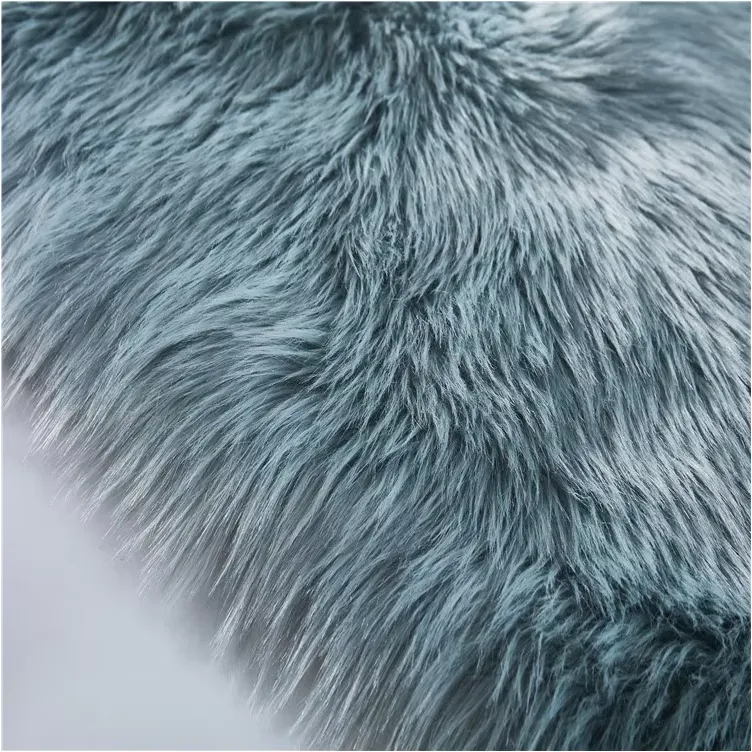
Washable faux fur rugs represent a significant evolution in the textile flooring market, offering the aesthetic appeal of genuine fur without the ethical and maintenance concerns. These rugs typically comprise a pile layer of synthetic fibers – predominantly polyester or acrylic – attached to a backing material, often featuring a non-slip coating. Their technical position lies within the broader category of pile carpets and rugs, but distinguished by their washability and construction focusing on replicating fur texture. Core performance characteristics center on tactile comfort, aesthetic resemblance to animal fur, ease of cleaning, durability to withstand repeated washing cycles, and resistance to shedding. The increasing demand for pet-friendly and allergy-conscious home furnishings drives the growth of this market segment, alongside consumer preference for affordable luxury. A crucial pain point within the industry is achieving a truly realistic fur texture while maintaining washability and preventing fiber clumping or matting during and after cleaning. Furthermore, maintaining colorfastness and preventing degradation of the backing material during repeated washing cycles presents ongoing engineering challenges.
Material Science & Manufacturing
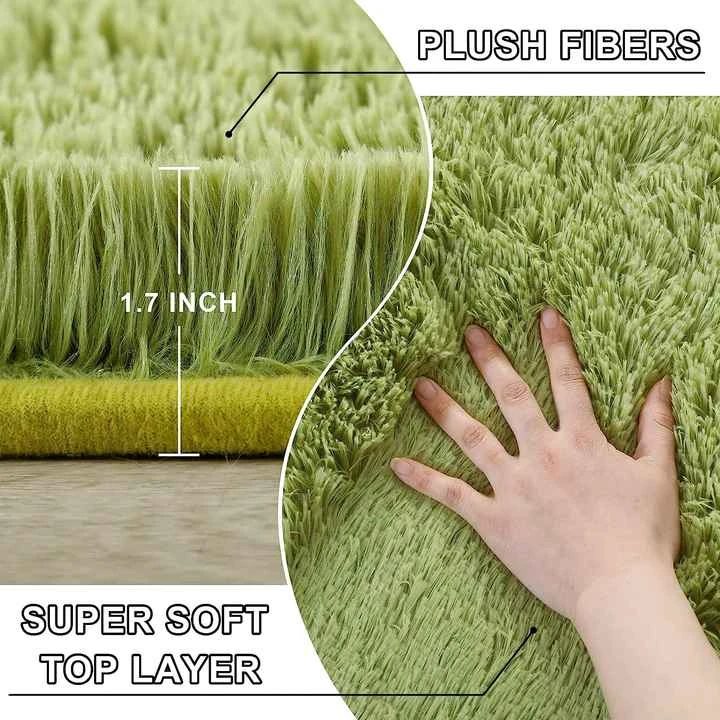
The primary raw materials for washable faux fur rugs are polyester and acrylic fibers for the pile and polypropylene or latex for the backing. Polyester offers superior durability, resilience, and resistance to abrasion, making it a common choice for high-traffic areas. Acrylic provides a softer, more luxurious feel, closely mimicking the texture of real fur, but generally exhibits lower abrasion resistance. Fiber denier (fineness) significantly influences the tactile characteristics; lower denier fibers create a softer, more realistic feel. Manufacturing involves several key stages. First, the synthetic fibers are extruded and processed into yarn. This yarn is then tufted or woven into a base fabric. Tufting is more common for faux fur, creating a denser, more plush pile. A crucial parameter in tufting is stitch rate – a higher stitch rate results in a denser pile but also increases production costs. Following tufting, the fabric undergoes shearing to achieve the desired pile height and uniformity. Precise control of the shear height is vital for creating a consistent fur-like appearance. The backing material, typically a non-woven polypropylene or a latex coating, is then applied. The latex is often applied through a coating process, and its formulation is critical for washability and preventing delamination. Finally, a non-slip coating, often PVC or TPR, is applied to the underside of the backing to prevent movement. The dyeing process employs reactive dyes for polyester and basic dyes for acrylic, chosen for their colorfastness and ability to withstand repeated washing. Quality control at each stage – yarn testing, pile density measurement, colorfastness testing, and adhesion strength testing – is paramount to ensure a consistent and durable finished product.
Performance & Engineering
The performance of washable faux fur rugs is heavily influenced by the interplay between fiber properties, construction techniques, and backing material selection. Force analysis reveals that the rug’s resistance to compression and deformation is directly related to pile density and fiber resilience. Higher pile density provides greater support and reduces the likelihood of matting. Environmental resistance is a critical consideration. Exposure to UV radiation can cause color fading and fiber degradation, particularly in acrylic fibers. Therefore, UV stabilizers are often added to the fiber formulation. Moisture resistance is also important; while polyester is inherently hydrophobic, the backing material can absorb moisture, potentially leading to mold growth if not properly dried after washing. Compliance requirements vary by region, but generally include flammability standards (e.g., California Proposition 65), VOC emission standards (e.g., OEKO-TEX Standard 100), and formaldehyde content limits. Functional implementation focuses on ensuring effective washability without compromising structural integrity. The backing material must remain bonded to the pile after repeated washing cycles, and the fibers must resist clumping or shedding. This is achieved through careful selection of adhesives and backing materials, as well as optimizing the washing instructions provided to consumers. The non-slip coating must maintain its grip even when wet, preventing accidents.
Technical Specifications
| Parameter | Polyester Pile | Acrylic Pile | Backing Material |
|---|---|---|---|
| Pile Height (mm) | 25-60 | 30-70 | N/A |
| Pile Density (grams/m²) | 800-1500 | 600-1200 | N/A |
| Fiber Denier | 75-150 | 100-200 | N/A |
| Tensile Strength (N/5cm) | >200 | >150 | >100 (Polypropylene) / >180 (Latex) |
| Colorfastness to Washing (Grade 1-5) | 4-5 | 3-4 | N/A |
| Wash Cycle Resistance (Cycles to 90% retention of pile density) | >50 | >30 | N/A |
Failure Mode & Maintenance
Washable faux fur rugs are susceptible to several failure modes. Fatigue cracking of the fibers, particularly acrylic, can occur due to repeated bending and abrasion. Delamination of the backing material from the pile is a common issue, often caused by inadequate adhesive bonding or excessive washing temperatures. Degradation of the fibers due to UV exposure leads to color fading and loss of softness. Oxidation of the fibers, particularly polyester, can occur over time, leading to brittleness and reduced resilience. Shedding is an inherent characteristic of faux fur, but excessive shedding indicates fiber degradation or poor manufacturing quality. Matting of the pile can occur if the fibers become entangled and compressed, often due to improper washing techniques. Maintenance is crucial to prolong the rug’s lifespan. Regular vacuuming removes loose dirt and debris. Machine washing is generally recommended, but following the manufacturer’s instructions regarding water temperature, detergent type, and drying method is essential. Avoid using harsh chemicals or bleach, as these can damage the fibers. Tumble drying on a low heat setting is preferred to air drying, which can cause the fibers to become stiff. Periodic fluffing or brushing can help restore the pile’s loft and prevent matting. In the event of delamination, re-adhering the backing with a suitable textile adhesive may provide a temporary solution, but complete replacement is often the most reliable long-term fix.
Industry FAQ
Q: What is the primary difference between polyester and acrylic faux fur in terms of washability and durability?
A: Polyester generally exhibits superior washability and durability compared to acrylic. Polyester fibers are inherently more resistant to abrasion and maintain their shape better after repeated washing cycles. Acrylic fibers, while offering a softer feel, are more prone to shedding, matting, and fiber breakdown during washing. The choice depends on the intended use; for high-traffic areas or frequent washing, polyester is preferred. For rugs prioritizing softness and aesthetics with less frequent washing, acrylic may be suitable.
Q: How does the backing material impact the overall performance of the rug, particularly regarding washability and slippage?
A: The backing material is crucial for both washability and preventing slippage. Polypropylene backings are generally more resistant to water absorption and maintain their integrity during washing. Latex backings provide excellent adhesion to the pile but can be more susceptible to degradation with prolonged water exposure. The non-slip coating applied to the underside must remain effective even when wet; PVC and TPR coatings are common choices, but their adhesion strength and resistance to wear are critical factors.
Q: What are the key considerations when selecting a detergent for washing a faux fur rug?
A: A mild, liquid detergent specifically designed for delicate fabrics is recommended. Avoid detergents containing bleach, enzymes, or harsh chemicals, as these can damage the fibers and cause color fading. Powder detergents can leave residue that is difficult to remove. Using a small amount of detergent is sufficient; excessive detergent can lead to fiber clumping and matting. Always rinse thoroughly to remove all traces of detergent.
Q: How can manufacturers minimize shedding in faux fur rugs?
A: Minimizing shedding requires careful fiber selection, tight pile construction, and proper finishing techniques. Using higher-quality fibers with longer staple lengths reduces the likelihood of fiber breakage. Increasing the stitch rate during tufting creates a denser pile, securing the fibers more firmly. Applying a fiber lock coating to the back of the pile helps prevent fibers from loosening. Thorough vacuuming during manufacturing removes loose fibers before shipment.
Q: What are the typical flammability standards applicable to faux fur rugs, and how are they met?
A: Faux fur rugs are typically subject to flammability standards such as California Proposition 65 and similar regulations in other regions. Compliance is achieved through the use of inherently flame-retardant fibers (e.g., treated polyester) or by applying a flame-retardant coating to the backing material. The rug must pass specific tests, such as the pill test and the match test, to demonstrate its resistance to ignition and flame spread.
Conclusion
Washable faux fur rugs represent a sophisticated balance of aesthetic appeal, functional performance, and consumer convenience. The core technical challenges – achieving realistic fur texture, maintaining washability, and ensuring durability – are addressed through careful material selection, optimized manufacturing processes, and adherence to stringent quality control standards. Understanding the interplay between fiber properties, backing materials, and construction techniques is paramount for producing rugs that meet the demands of the modern market.
Future developments in this field are likely to focus on sustainable materials, enhanced UV protection, and improved fiber locking technologies to further reduce shedding. The integration of antimicrobial treatments could also address concerns related to hygiene and odor control. Continued innovation in backing materials will be essential for optimizing washability and preventing delamination. Ultimately, the success of washable faux fur rugs hinges on consistently delivering a product that combines luxurious comfort with practical functionality and long-term durability.