

white faux fur rug Performance Analysis
Introduction
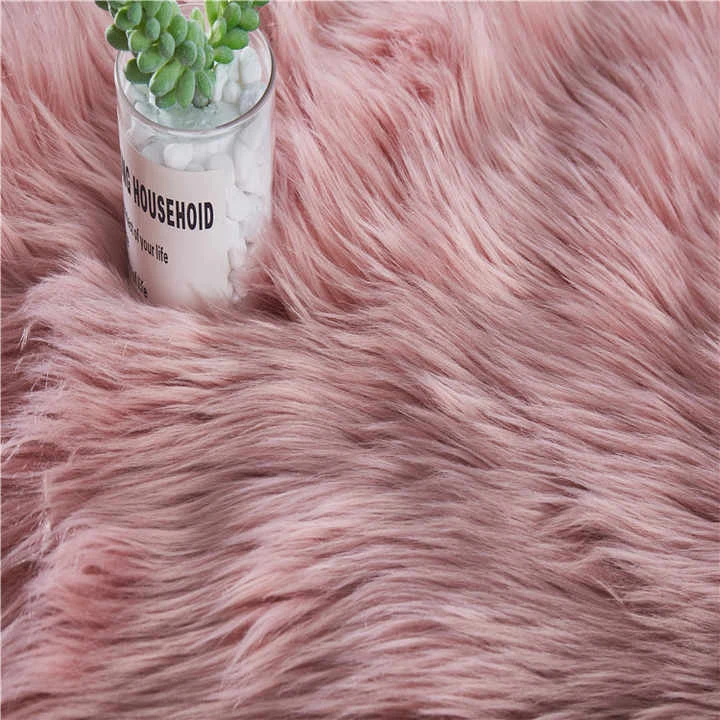
White faux fur rugs represent a significant segment within the broader decorative textiles market, positioned as an affordable and animal-friendly alternative to genuine fur. These rugs, typically employed for aesthetic and comfort purposes in residential and light commercial settings, are constructed from synthetic fibers engineered to mimic the tactile and visual properties of natural animal fur. Their technical position in the value chain begins with petrochemical feedstock and culminates in a finished consumer product. Core performance characteristics center around pile density, fiber durability, colorfastness, and ease of maintenance. The demand for white faux fur rugs is driven by evolving consumer preferences toward ethical sourcing and hypoallergenic materials, as well as their versatility in interior design. A key industry pain point lies in achieving a realistic fur-like texture and consistent quality across large production runs while maintaining cost-effectiveness. Another challenge involves addressing concerns regarding flammability and the release of microplastics during laundering.
Material Science & Manufacturing
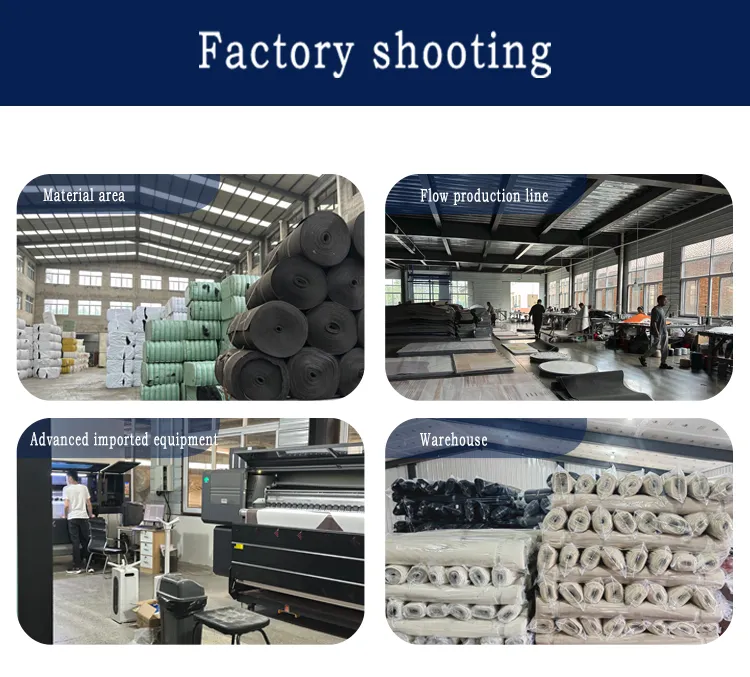
The primary material component of white faux fur rugs is typically acrylic fiber, though polyester and modacrylic blends are also commonly used. Acrylic fibers (polyacrylonitrile) are selected for their inherent bulkiness, soft hand feel, and ability to readily accept dyes. Polyester offers improved durability and resilience. Modacrylic enhances flame retardancy. The manufacturing process begins with the polymerization of acrylonitrile monomers – a process demanding precise temperature and pressure control to achieve desired molecular weight and fiber properties. These polymers are then spun into fibers using dry spinning techniques. Critical parameters include spinneret size, polymer concentration, and drawing ratio, all impacting fiber denier and tensile strength. Subsequently, the fibers are cut to a specific length, mimicking the staple length of natural fur. These cut fibers are then bonded onto a backing material – commonly polypropylene or jute – using a variety of methods. Tufting is a prevalent technique, where fibers are mechanically inserted into the backing, followed by latex application for secure anchoring. Alternatively, needle punching mechanically interlocks the fibers. Finally, the rug undergoes a shearing process to achieve the desired pile height and density, followed by quality control checks for consistency in texture and color. Chemical compatibility between the fiber, backing, and latex is crucial to prevent delamination and ensure long-term structural integrity. Fiber degradation due to UV exposure is also a manufacturing consideration.
Performance & Engineering
The performance of a white faux fur rug is dictated by several engineering considerations. Pile density, measured in ounces per square yard (oz/yd²), directly influences the rug’s perceived softness and thermal insulation. Higher density typically equates to increased comfort and warmth, but also potentially higher cost. Tensile strength, assessed according to ASTM D2256, determines the rug's resistance to tearing and abrasion. A minimum tensile strength of 20 lbs/inch is generally considered acceptable for residential applications. Flammability is a critical safety concern, addressed through the use of flame-retardant treatments and inherently flame-resistant fibers like modacrylic. Performance against flammability standards like California Technical Bulletin 117 is paramount. Environmental resistance requires analysis of resistance to fading from UV exposure, evaluated using AATCC 16E, and resistance to staining from common household liquids. The backing material’s dimensional stability and resistance to moisture absorption are also critical, as these factors impact the rug’s ability to maintain its shape and prevent mold growth. Force analysis during use involves assessing the compression set – the permanent deformation of the pile after prolonged pressure – which affects the rug’s ability to regain its original loft. Compliance with VOC emission standards (e.g., CARB Section 93120.2) is increasingly important to minimize indoor air pollution.
Technical Specifications
| Parameter | Units | Typical Value (Range) | Test Method |
|---|---|---|---|
| Pile Height | mm | 25-50 | ASTM D3609 |
| Pile Density | oz/yd² | 800-1500 | ASTM D3885 |
| Fiber Composition | % | Acrylic 80-100, Polyester 0-20 | FTIR Spectroscopy |
| Tensile Strength (Warp/Weft) | lbs/inch | 15-30 | ASTM D2256 |
| Colorfastness to Light | Rating (1-5) | 4-5 | AATCC 16E |
| Flammability (Pass/Fail) | - | Pass (California TB 117) | California TB 117 |
Failure Mode & Maintenance
White faux fur rugs are susceptible to several failure modes. Pile shedding is a common occurrence, resulting from fiber breakage during use and cleaning. This is exacerbated by low pile density and abrasive cleaning methods. Matting and crushing of the pile occur under sustained pressure, reducing the rug’s aesthetic appeal and thermal insulation. Color fading, particularly in direct sunlight, is a significant concern, especially with lower-quality dyes. Delamination of the pile from the backing can occur due to inadequate latex bonding or moisture ingress. Oxidation of the acrylic fibers can lead to discoloration and brittleness over time. Microplastic shedding during laundering is a growing environmental concern. Maintenance recommendations include regular vacuuming with a low-suction cleaner to remove dust and debris. Spot cleaning with a mild detergent and water is recommended for spills. Avoid harsh chemicals and excessive wetting. Professional cleaning is advisable for deep cleaning and stain removal. To mitigate shedding, avoid vigorous scrubbing and use a rug pad to provide cushioning and reduce wear. Protecting the rug from direct sunlight can prevent color fading. Properly drying the rug after cleaning prevents mold growth and delamination. Consider using a microplastic filter during laundering to reduce environmental impact.
Industry FAQ
Q: What is the primary difference between acrylic and polyester faux fur rugs in terms of durability?
A: Polyester generally exhibits superior abrasion resistance and resilience compared to acrylic. While acrylic offers a softer hand feel, polyester maintains its pile structure for a longer period under heavy foot traffic. Polyester also demonstrates better resistance to crushing and matting, making it a preferred choice for high-traffic areas.
Q: How can I minimize microplastic shedding during laundering?
A: Microplastic shedding is inherent to synthetic fabrics. Using a laundry bag designed to capture microfibers (e.g., a Guppyfriend washing bag) can significantly reduce their release into wastewater. Washing on a gentle cycle with cold water and avoiding harsh detergents can also help minimize shedding. Consider using a liquid detergent instead of powder, as powders can contribute to fiber abrasion.
Q: What does the flammability rating (e.g., California TB 117) signify?
A: California Technical Bulletin 117 is a flammability standard for residential upholstered furniture. Passing this test signifies that the rug meets specific requirements for resistance to ignition and flame spread. However, it’s important to note that faux fur rugs, by nature, are combustible and should be kept away from open flames and heat sources.
Q: How does pile density impact the thermal insulation of the rug?
A: Higher pile density creates more air pockets within the rug, which act as insulators, trapping air and reducing heat transfer. A denser pile results in a warmer rug, providing enhanced thermal comfort. However, excessively high density can also reduce the rug's breathability.
Q: What is the best method for removing a stubborn stain from a white faux fur rug?
A: Prompt action is crucial. Gently blot the stain with a clean, white cloth, working from the outside in to prevent spreading. Use a mild detergent solution (water and a small amount of dish soap) and avoid harsh chemicals or abrasive cleaners. Rinse thoroughly with clean water and blot dry. For persistent stains, professional cleaning is recommended.
Conclusion
White faux fur rugs offer a compelling balance of aesthetic appeal, affordability, and ethical sourcing, making them a popular choice for contemporary interior design. Their performance characteristics, however, are intrinsically linked to the materials used – particularly the type of synthetic fiber – and the rigor of the manufacturing process. Understanding parameters like pile density, tensile strength, and flammability, along with adherence to relevant industry standards, is critical for ensuring product quality and consumer safety.
Future advancements in fiber technology may focus on developing more durable, sustainable, and inherently flame-resistant synthetic materials. Reducing microplastic shedding through innovative fiber treatments and manufacturing techniques will also be a key area of development. Furthermore, enhancing the realism of the fur-like texture through advanced pile construction techniques will continue to drive market demand for high-quality white faux fur rugs.