

white faux rug Performance Analysis

Introduction
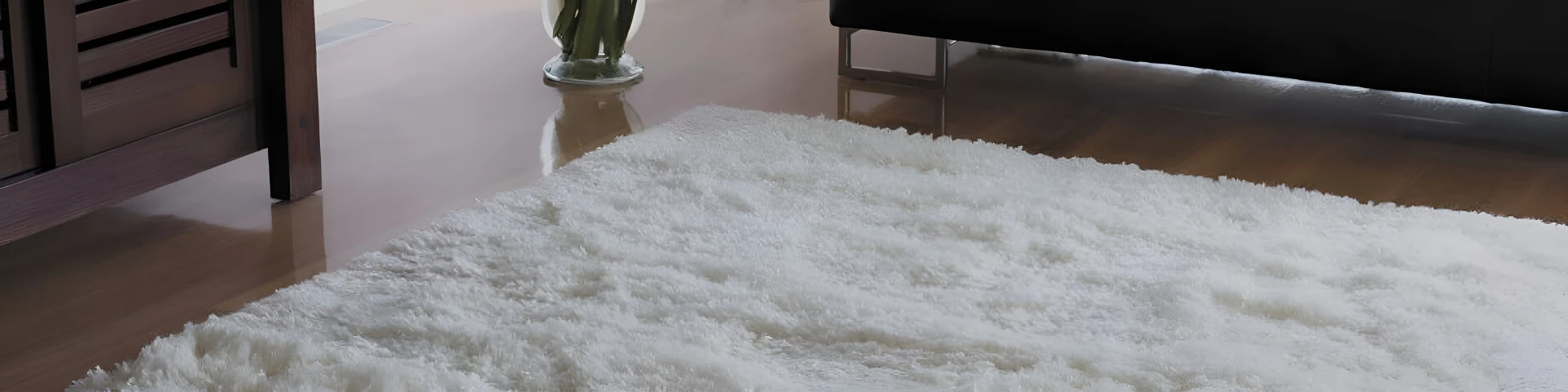
White faux rugs represent a significant segment within the broader floor covering market, offering an alternative to natural fiber rugs. Technically positioned as synthetic textile products, they are primarily utilized for aesthetic enhancement and comfort within residential and light commercial environments. These rugs typically consist of a synthetic pile – commonly polypropylene, polyester, or acrylic – attached to a backing material. Core performance characteristics include visual similarity to natural wool or sheepskin, ease of cleaning, stain resistance, and a comparatively lower cost point. The industry faces persistent challenges regarding durability, resistance to crushing, and the perception of lower quality compared to natural fiber counterparts. This guide provides an in-depth analysis of the material science, manufacturing processes, performance parameters, potential failure modes, and maintenance protocols associated with white faux rugs, alongside relevant industry standards.
Material Science & Manufacturing
The predominant material in white faux rug construction is polypropylene (PP), chosen for its cost-effectiveness, inherent stain resistance, and ability to be easily extruded into various fiber forms. Polyester is also frequently used, offering superior softness and better color retention, albeit with reduced stain resistance compared to PP. Acrylic fibers provide a luxurious, wool-like hand feel but are generally less durable and more susceptible to pilling. The backing materials commonly employed include felt (typically polypropylene or polyester) laminated with a layer of jute or latex for added stability and cushioning.
Manufacturing processes vary depending on the desired pile height and density. Cut pile rugs are produced using a tufting process where fibers are inserted through a primary backing material. The loops are then sheared to create a cut pile surface. Loop pile rugs, conversely, retain the looped fiber structure. Density is controlled by the gauge (fibers per inch) and pile height (fiber length). Critical parameters include fiber denier (fineness), yarn twist, and the weight of the pile material (oz/sq yd). Dyeing is typically performed on the fibers before tufting, ensuring uniform color throughout the pile. Proper control of dyeing temperature, concentration, and dwell time is vital to achieving consistent whiteness and preventing discoloration. Backing is applied using adhesive compounds, and the rug undergoes finishing processes like brushing and quality inspection. Manufacturing defects such as inconsistent pile height, uneven dyeing, and backing delamination are common points of quality control.
Performance & Engineering
Performance of white faux rugs is evaluated based on several key engineering properties. Tensile strength, measured according to ASTM D4530, dictates resistance to tearing and general wear. Pile crush resistance, a critical factor for high-traffic areas, is assessed by repeatedly applying a defined weight to the pile and measuring its recovery. Colorfastness to light is evaluated using standards like ISO 105-B02, determining the rug’s ability to retain its whiteness under prolonged exposure to UV radiation. Flammability is governed by standards like DOC-FF1-70 (US) or EN 13501-1 (Europe), focusing on ignition resistance and flame spread. Static propensity, measured by ASTM D3107, is important as excessive static build-up can attract dust and be uncomfortable.
Environmental resistance encompasses resistance to moisture, mildew, and cleaning agents. Polypropylene and polyester exhibit good resistance to moisture, but prolonged exposure can lead to degradation. Cleaning requires careful consideration; harsh chemicals can damage the fibers or cause discoloration. Force analysis considers the loads experienced during use (foot traffic, furniture placement) and the resulting stresses on the pile and backing. Compliance requirements dictate adherence to safety regulations concerning flammability, VOC emissions (volatile organic compounds – assessed by tests like California Section 01350), and heavy metal content (e.g., lead content restricted by RoHS directives).
Technical Specifications
| Parameter | Polypropylene (PP) | Polyester | Acrylic | Unit |
|---|---|---|---|---|
| Tensile Strength | 40-60 | 50-70 | 30-50 | N/mm² |
| Pile Weight | 600-1200 | 800-1500 | 500-1000 | g/m² |
| Pile Height | 20-40 | 25-50 | 30-60 | mm |
| Colorfastness to Light (Rating 1-8) | 5-6 | 6-7 | 4-5 | - |
| Water Absorption | <0.1 | 0.4 | 1.0 | % |
| Flammability (Flame Spread Index) | <25 | <20 | <20 | - |
Failure Mode & Maintenance
Common failure modes for white faux rugs include pile crushing (especially in high-traffic areas), fiber shedding, discoloration (yellowing due to UV exposure or staining), and backing delamination. Fatigue cracking can occur in the backing material due to repeated stress. Delamination is often caused by inadequate adhesive bonding during manufacturing or exposure to moisture. Oxidation of the polymer fibers can lead to brittleness and reduced tensile strength over time. Regular vacuuming is essential to remove abrasive particles that contribute to pile wear. Spot cleaning should be performed immediately with a mild detergent and water, avoiding harsh chemicals that can damage the fibers. Professional cleaning is recommended annually to remove embedded dirt and restore pile appearance. To mitigate discoloration, minimize direct sunlight exposure or use window coverings. Rotate the rug periodically to distribute wear evenly. Addressing spills promptly and avoiding excessive moisture exposure will significantly extend the rug’s lifespan. Preventive measures such as using rug pads can minimize crushing and slippage.
Industry FAQ
Q: What is the primary difference in durability between polypropylene and polyester faux rugs?
A: While both are durable, polypropylene generally exhibits superior abrasion resistance and resilience, meaning it recovers better from crushing. Polyester, while softer, is more prone to matting and fiber breakdown under heavy foot traffic. However, newer polyester formulations with enhanced durability are narrowing this gap.
Q: How can I prevent yellowing of a white faux rug due to sunlight exposure?
A: Minimize direct sunlight exposure by using window coverings like blinds or curtains. Applying a UV protectant spray specifically designed for synthetic fibers can also help to slow down the fading process. Regularly rotating the rug will distribute sun exposure more evenly.
Q: What type of cleaning solutions should be avoided when cleaning a white faux rug?
A: Avoid harsh chemicals such as bleach, ammonia, and solvent-based cleaners. These can cause discoloration, fiber damage, or dissolve the backing adhesives. Stick to mild detergents specifically formulated for synthetic rugs, and always test in an inconspicuous area first.
Q: What does pile weight (g/m²) indicate about the quality of a faux rug?
A: Higher pile weight generally indicates a denser, more luxurious rug with better durability and a fuller appearance. A lower pile weight suggests a thinner rug that may be less comfortable and wear more quickly. However, pile weight should be considered in conjunction with fiber type and construction.
Q: How does the backing material impact the overall performance of a white faux rug?
A: The backing material provides structural integrity and cushioning. A high-quality backing (e.g., felt laminated with jute or latex) offers better stability, prevents slippage, and enhances comfort. Inferior backings are prone to delamination and can contribute to premature rug failure.
Conclusion
White faux rugs offer a cost-effective and aesthetically pleasing alternative to natural fiber rugs, but their performance and longevity are critically dependent on the materials used and manufacturing processes employed. Understanding the inherent properties of polypropylene, polyester, and acrylic, alongside factors like pile weight, density, and backing construction, is essential for informed procurement and selection.
Continued advancements in fiber technology and manufacturing techniques aim to address the industry's core challenges – enhancing durability, improving crush resistance, and achieving a more authentic aesthetic. Future developments may focus on incorporating recycled materials, developing more sustainable production methods, and creating faux rugs that closely mimic the luxurious feel and performance characteristics of premium natural fibers.