


white faux sheepskin rug Technical Analysis

Introduction
White faux sheepskin rugs represent a significant segment within the broader synthetic textile floor covering industry. Positioned as an affordable and ethically sourced alternative to genuine sheepskin, these rugs utilize advanced fiber technology to mimic the appearance and tactile qualities of natural wool. Their primary function is aesthetic enhancement of interior spaces, offering comfort and warmth. However, performance extends beyond aesthetics, encompassing considerations of durability, cleaning, and resistance to common household stressors. This guide provides an in-depth technical analysis of white faux sheepskin rugs, covering material composition, manufacturing processes, performance characteristics, failure modes, and relevant industry standards. The core pain points in this sector revolve around achieving a realistic texture, maintaining colorfastness, ensuring resistance to matting, and navigating evolving consumer demands for sustainable and hypoallergenic materials. Unlike natural sheepskin, faux sheepskin relies entirely on synthetic polymers, introducing unique challenges in terms of long-term degradation and environmental impact.
Material Science & Manufacturing
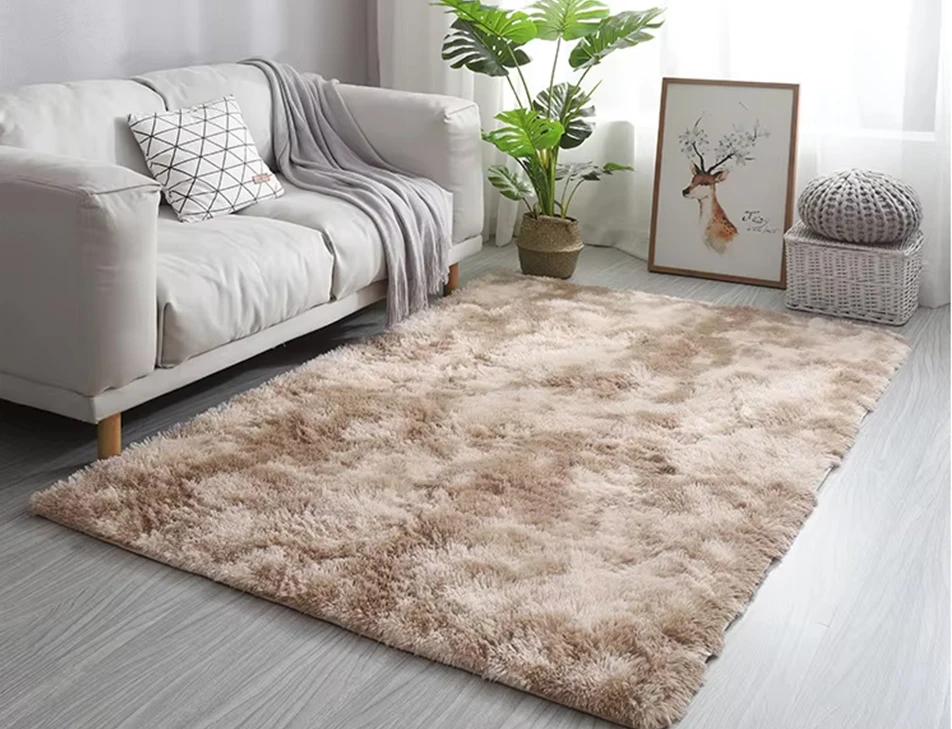
The core material in white faux sheepskin rugs is typically a blend of synthetic fibers, predominantly acrylic, polyester, or polypropylene. Acrylic fibers, favored for their wool-like texture, are derived from acrylonitrile, a petroleum-based product. Polyester, manufactured from ethylene glycol and terephthalic acid, offers superior durability and resistance to abrasion. Polypropylene, the lightest of the three, is known for its stain resistance and affordability. The 'pile' – the long, fluffy surface simulating sheep's wool – is created through a variety of manufacturing techniques. Tufting is the most common, where fibers are inserted into a primary backing material (often polypropylene) using needles. This is followed by coating the backing with a latex adhesive to secure the tufts. A secondary backing, usually felt or jute, provides additional structural integrity and cushioning. Fiber denier (thickness) and crimp (waviness) are critical parameters. Lower denier fibers create a softer feel, while higher crimp enhances bulk and loft. Coloration is achieved through dyeing the fibers before tufting or through post-tufting printing methods. Achieving consistent white coloration requires careful control of dye concentration and uniformity. Recent advancements include the incorporation of microfibers to improve the tactile sensation and the use of solution-dyed fibers for enhanced colorfastness. The backing material’s weave density and tensile strength are also crucial to prevent delamination and maintain dimensional stability.
Performance & Engineering
Performance characteristics of white faux sheepskin rugs are evaluated based on several key factors. Pile compression resistance is paramount; continual foot traffic leads to matting and a loss of aesthetic appeal. This is quantified using compression-recovery testing, measuring the percentage of pile height retained after a defined compressive force is applied. Abrasion resistance, measured by the Wyzenbeek method, determines the rug's ability to withstand surface wear. Colorfastness to light and washing is critical, especially for white rugs susceptible to discoloration. Tests conforming to ISO 105 standards are utilized for assessing these properties. Fire resistance is also a significant concern, particularly in residential applications. Faux sheepskin rugs must meet flammability requirements set by local regulations, often involving tests like the DOC FF 1-70 (pill test). Static buildup can be problematic, attracting dust and causing discomfort. Anti-static treatments, typically applied during finishing, mitigate this issue. The structural integrity of the backing is also essential, resisting tearing and delamination. Force analysis under dynamic loading conditions simulates real-world use, identifying potential weak points in the construction. Furthermore, the chemical resistance of the fibers to common household cleaners is an important consideration to prevent degradation and color alteration. The rug's dimensional stability, assessed by monitoring shrinkage or stretching after washing, ensures it maintains its shape and size.
Technical Specifications
| Parameter | Acrylic Fiber | Polyester Fiber | Polypropylene Fiber | Typical Value (White Faux Sheepskin Rug) |
|---|---|---|---|---|
| Denier (Fiber Thickness) | 0.9 - 1.5 | 1.5 - 3.0 | 2.0 - 4.0 | 2.2 |
| Pile Height (mm) | 20 - 40 | 20 - 50 | 25 - 60 | 35 |
| Pile Weight (g/m²) | 800 - 1200 | 1000 - 1500 | 600 - 1000 | 1100 |
| Tensile Strength (Backing - kN/m) | 5 - 8 | 7 - 10 | 4 - 7 | 7.5 |
| Colorfastness to Light (ISO 105 B02 - Gray Scale Rating) | 4-5 | 6-7 | 5-6 | 6 |
| Compression Recovery (%) | 60-70 | 70-80 | 50-60 | 72 |
Failure Mode & Maintenance
Common failure modes in white faux sheepskin rugs include pile matting, fiber shedding, discoloration (yellowing), and delamination of the backing. Matting results from the breakdown of fiber crimp and entanglement under compression. Fiber shedding is caused by the weakening and breakage of fibers due to abrasion and UV exposure. Discoloration, particularly yellowing, is a significant issue for acrylic fibers, stemming from oxidation and exposure to sunlight. Delamination occurs when the latex adhesive loses its bonding strength, separating the pile from the backing. Another potential failure mode is degradation of the fibers due to exposure to harsh chemicals found in certain cleaning agents. Preventive maintenance involves regular vacuuming to remove abrasive particles and prevent matting. Spot cleaning with mild detergent and water is recommended for spills. Avoid harsh chemicals and excessive moisture. Professional cleaning, using specialized equipment and gentle cleaning solutions, can extend the rug’s lifespan. For discoloration, UV protectant sprays can offer limited mitigation. In cases of significant delamination, re-gluing the pile to the backing may be possible, but it’s a temporary fix. The rug should be stored in a cool, dry place away from direct sunlight when not in use. Proper rotation of the rug can also help distribute wear and minimize localized matting.
Industry FAQ
Q: What is the primary difference between acrylic and polyester faux sheepskin in terms of longevity?
A: Polyester generally exhibits superior longevity compared to acrylic. Acrylic fibers are more prone to oxidation and yellowing when exposed to UV light, leading to a noticeable discoloration over time. Polyester is inherently more UV resistant and maintains its color integrity for a longer period. However, acrylic often provides a softer initial tactile experience, mimicking the feel of natural wool more closely.
Q: How does the backing material affect the overall durability of the rug?
A: The backing material is critical. A high-density polypropylene backing with a strong weave pattern provides the best durability. Jute backings, while more eco-friendly, are less resistant to moisture and abrasion. The adhesive used to bond the pile to the backing is also crucial; latex adhesives can degrade over time, leading to delamination. A higher-quality adhesive and proper application are essential.
Q: What cleaning agents should be avoided when cleaning a white faux sheepskin rug?
A: Avoid bleach, strong detergents, and solvents. These chemicals can damage the fibers, causing discoloration and degradation. Enzymatic cleaners should also be avoided as they can break down the synthetic polymers. Always test any cleaning agent on an inconspicuous area first to ensure compatibility. A mild detergent diluted in cool water is generally the safest option.
Q: What testing standards are used to assess the fire resistance of these rugs?
A: Commonly used fire resistance tests include DOC FF 1-70 (pill test), which assesses the rate of flame spread, and ASTM E84, which measures flame spread and smoke development. Compliance with local fire safety regulations is paramount, and rug manufacturers must ensure their products meet the required standards for the intended application.
Q: Is there a significant difference in the environmental impact of acrylic, polyester, and polypropylene faux sheepskin?
A: Yes. Polyester and polypropylene are generally considered to have a lower environmental impact than acrylic. Acrylic production relies heavily on acrylonitrile, a petroleum-based chemical with associated environmental concerns. Polyester can be produced from recycled materials, reducing its reliance on virgin resources. Polypropylene, while also petroleum-based, is recyclable in some regions. However, all three materials contribute to microplastic pollution during use and disposal.
Conclusion
White faux sheepskin rugs represent a commercially viable and ethically preferable alternative to genuine sheepskin, offering aesthetic appeal and comfort at a lower cost. Their performance is dictated by the choice of synthetic fibers – acrylic, polyester, or polypropylene – each possessing distinct advantages and disadvantages concerning durability, colorfastness, and environmental impact. Careful consideration must be given to manufacturing processes, particularly fiber denier, crimp, and backing material selection, to optimize performance characteristics like pile compression resistance and abrasion resistance.
Moving forward, innovation in faux sheepskin technology will likely focus on developing more sustainable materials, enhancing colorfastness, and improving resistance to matting and degradation. The integration of recycled polymers and bio-based fibers could significantly reduce the environmental footprint of these products. Further research into advanced backing materials and adhesive technologies will also be crucial to extend lifespan and minimize delamination. Ultimately, a holistic approach encompassing material science, manufacturing engineering, and rigorous testing will be essential to meet evolving consumer demands and industry standards.