


white rug fluffy Performance Analysis
Introduction
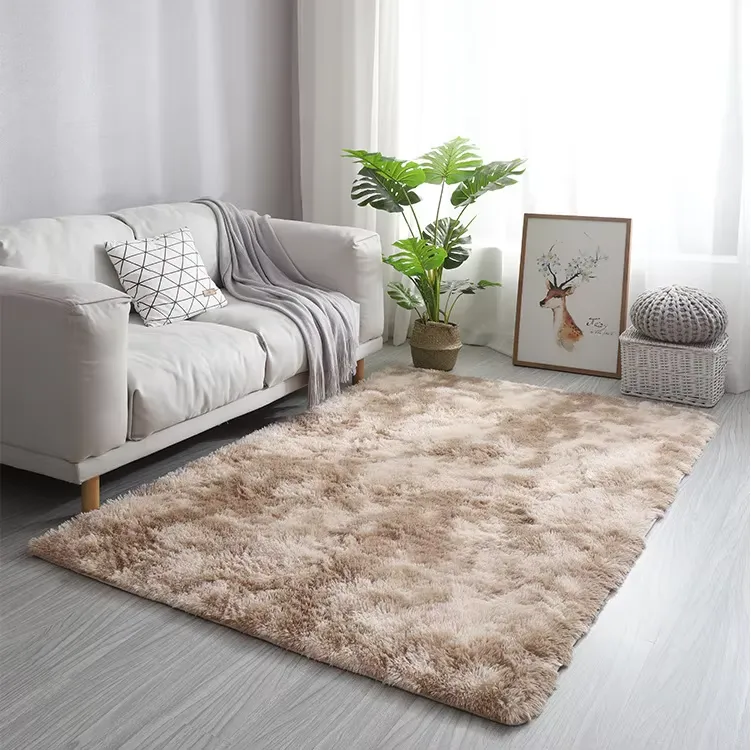
White, fluffy rugs represent a significant segment of the interior textiles market, positioned as a comfort and aesthetic enhancement product for residential and commercial spaces. These rugs, typically constructed from synthetic or natural fibers, serve not only as floor coverings but also as functional elements influencing thermal insulation, acoustic dampening, and perceived spatial dimensions. Their core performance characteristics revolve around pile density, fiber composition, and dimensional stability. The demand for these rugs is driven by trends in interior design, consumer preference for soft flooring options, and growing awareness of indoor air quality and allergen control. A key challenge within this sector is balancing the desired aesthetic (whiteness and fluffiness) with durability, stain resistance, and ease of maintenance. This guide provides a comprehensive technical overview of white, fluffy rugs, covering material science, manufacturing processes, performance attributes, potential failure modes, and relevant industry standards.
Material Science & Manufacturing
The foundational materials for white, fluffy rugs dictate their performance and longevity. Predominant fiber choices include polypropylene (olefin), polyester, acrylic, and wool. Polypropylene is favored for its cost-effectiveness, inherent stain resistance, and adequate durability, though its thermal sensitivity can lead to pile crushing under high temperatures. Polyester offers improved resilience and color retention compared to polypropylene, but is susceptible to oil-based stains. Acrylic mimics the feel of wool at a lower cost, exhibiting good loft but lower abrasion resistance. Wool represents the premium option, providing exceptional resilience, natural stain resistance (due to lanolin content), and inherent flame retardancy, but carries a significantly higher price point and requires specialized cleaning.
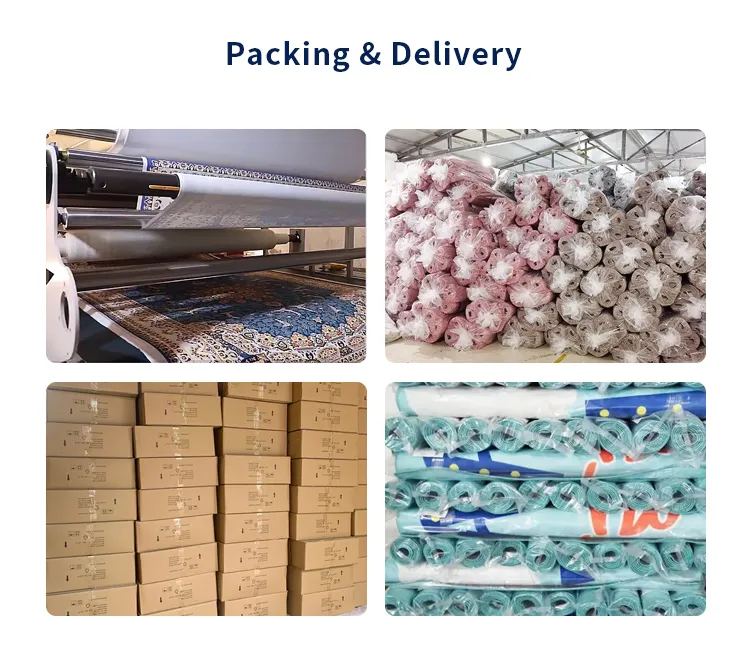
Manufacturing typically involves either tufting or weaving. Tufting, the more common method, utilizes needles to insert fibers through a primary backing material (usually polypropylene). The secondary backing, often latex or polyurethane foam, provides structural integrity and cushioning. Key parameters during tufting include gauge (needle density), pile height, and fiber density (weight per unit area, measured in ounces per square yard or grams per square meter). Weaving, while more labor-intensive, produces a denser, more durable pile with superior dimensional stability. The weaving process (e.g., Wilton, Axminster) interlocks the fibers, eliminating the need for a substantial secondary backing. Post-manufacturing, the rugs undergo shearing to achieve the desired pile height and density, followed by dyeing or bleaching to attain the desired whiteness. The bleaching process utilizes hydrogen peroxide or sodium hypochlorite, requiring careful control to prevent fiber degradation and uneven coloration. Quality control involves assessing fiber weight, pile density, colorfastness, and dimensional stability.
Performance & Engineering
The performance of a white, fluffy rug is governed by several engineering principles. Pile density is directly correlated to the rug’s cushioning properties and its ability to withstand foot traffic. Higher pile density generally equates to greater durability and a more luxurious feel, but also increases material cost and cleaning difficulty. The fiber’s tensile strength and elongation properties are critical for resisting tearing and stretching. Force analysis during manufacturing and use considers both static loads (furniture weight) and dynamic loads (foot traffic, impacts). Environmental resistance is paramount, particularly concerning UV exposure, which can cause color fading and fiber degradation, especially in acrylic and polypropylene rugs. Moisture resistance is crucial to prevent mold and mildew growth, especially in high-humidity environments. The secondary backing plays a significant role in preventing delamination and maintaining dimensional stability.
Compliance requirements often dictate flammability standards. In the United States, the Federal Flammability Standard DOC-FF 1-70 outlines testing procedures for rug flammability. European standards, such as EN 13501-1, classify building materials based on their fire performance. Furthermore, indoor air quality regulations (e.g., CARB Phase II, GREENGUARD Gold) impose limits on volatile organic compound (VOC) emissions from rug materials, particularly adhesives and finishes. The choice of backing materials and adhesives must align with these regulations. Abrasion resistance, assessed using methods like the Wyzenbeek test, is a critical performance metric indicating the rug’s ability to withstand wear and tear.
Technical Specifications
| Parameter | Polypropylene | Polyester | Acrylic | Wool |
|---|---|---|---|---|
| Fiber Denier (dtex) | 200-600 | 300-800 | 300-700 | 15-35 |
| Pile Height (mm) | 20-50 | 25-60 | 20-45 | 15-40 |
| Pile Density (g/m²) | 800-1800 | 1000-2500 | 700-1500 | 1200-3000 |
| Tensile Strength (MPa) | 40-60 | 50-70 | 30-50 | 80-150 |
| Water Absorption (%) | 0.1-0.5 | 0.5-1.0 | 1.0-2.0 | 30-40 |
| Colorfastness to Light (Rating 1-5) | 3-4 | 4-5 | 2-3 | 4-5 |
Failure Mode & Maintenance
White, fluffy rugs are susceptible to several failure modes. Pile crushing occurs under sustained compression, reducing loft and cushioning, particularly in polypropylene rugs. Matting results from fiber deformation due to foot traffic, leading to a flattened appearance. Fading is prevalent in acrylic and polypropylene fibers exposed to UV radiation. Stain penetration is a common issue, with oil-based stains posing a significant challenge for polyester rugs. Delamination of the secondary backing can occur due to adhesive failure, causing the pile to separate from the backing. Fiber shedding is typical during the initial use phase, but excessive shedding may indicate low fiber quality or inadequate tufting. Biological degradation (mold and mildew growth) can occur in humid environments if the rug remains wet for extended periods.
Maintenance is crucial for extending the rug’s lifespan. Regular vacuuming (at least twice weekly) removes dirt and debris, preventing fiber damage. Spot cleaning is essential for addressing spills promptly, utilizing appropriate cleaning agents based on the fiber type. Avoid harsh chemicals and abrasive cleaners. Professional cleaning (steam cleaning or dry cleaning) is recommended annually or bi-annually, depending on usage. Rotating the rug periodically helps distribute wear evenly. Proper drying after cleaning is essential to prevent mold and mildew growth. For wool rugs, mothproofing treatments are advisable. Preventing direct sunlight exposure minimizes fading. To address delamination, specialized rug adhesive can be applied, though complete restoration may not always be possible.
Industry FAQ
Q: What is the impact of different backing materials on the overall durability and longevity of a white fluffy rug?
A: The backing material significantly influences durability. Latex backings are cost-effective but can become brittle and crack over time, leading to delamination. Polyurethane foam backings offer superior resilience, cushioning, and dimensional stability. Woven rugs typically have minimal backing or a more robust woven structure, offering the highest degree of durability and resistance to delamination. The choice depends on the intended use and budget; higher-traffic areas benefit from polyurethane or woven constructions.
Q: How does the fiber type affect the cleanability and stain resistance of a white rug, and what cleaning methods are most effective for each?
A: Polypropylene offers excellent stain resistance to most water-based stains but can attract oil. Polyester is susceptible to oil-based stains. Acrylic is moderately stain-resistant but requires gentle cleaning. Wool, while naturally stain-resistant due to lanolin, requires professional cleaning. For polypropylene and polyester, mild detergent and water are typically effective. Acrylic requires specialized acrylic cleaners. Wool demands professional steam cleaning or dry cleaning to prevent shrinkage and fiber damage.
Q: What are the key considerations when selecting a pile height for a white fluffy rug intended for high-traffic areas versus low-traffic areas?
A: For high-traffic areas, a lower pile height (20-30mm) is recommended to minimize fiber crushing and matting. A denser pile, regardless of height, will offer better resilience. Low-traffic areas can accommodate higher pile heights (30-50mm) for enhanced comfort and aesthetic appeal. However, longer piles require more frequent vacuuming and are more prone to attracting dirt.
Q: What are the implications of VOC emissions from rug materials, and how can manufacturers ensure compliance with indoor air quality standards?
A: VOC emissions from adhesives, dyes, and finishes can negatively impact indoor air quality, posing health risks. Manufacturers must utilize low-VOC materials and adhesives, complying with standards like CARB Phase II and GREENGUARD Gold. Testing and certification are crucial to demonstrate compliance. Proper ventilation during manufacturing and post-installation is also recommended.
Q: How does UV exposure affect the whiteness and longevity of different rug fibers, and what preventative measures can be taken?
A: UV exposure causes color fading and fiber degradation, particularly in acrylic and polypropylene. Polyester exhibits better UV resistance, while wool offers inherent protection. Preventative measures include minimizing direct sunlight exposure (using curtains or blinds), utilizing UV-resistant finishes, and rotating the rug periodically to distribute exposure evenly. Regular cleaning can also help remove surface contaminants that exacerbate UV damage.
Conclusion
White, fluffy rugs offer a blend of comfort and aesthetics, but their performance and durability are heavily influenced by material selection, manufacturing processes, and maintenance practices. Understanding the specific properties of each fiber type – polypropylene, polyester, acrylic, and wool – is paramount in selecting the appropriate material for a given application. Achieving optimal performance requires careful control of parameters during tufting or weaving, ensuring adequate pile density, dimensional stability, and compliance with relevant flammability and indoor air quality standards.
Future developments in this sector will likely focus on sustainable materials, improved stain-resistant finishes, and enhanced manufacturing techniques to reduce VOC emissions and improve overall product longevity. Investing in high-quality materials, diligent maintenance, and informed purchasing decisions will ensure that white, fluffy rugs continue to provide comfort and aesthetic value for years to come. The ongoing refinement of testing methodologies will also play a crucial role in accurately assessing rug performance and ensuring consumer satisfaction.