

wholesale area rugs cheap Material Science and Performance Analysis

Introduction
Wholesale area rugs, particularly those marketed as ‘cheap,’ occupy a critical segment of the global floor covering industry. These rugs serve a broad market, spanning residential, commercial, and temporary event applications. Technically, these rugs are generally constructed from synthetic fibers – primarily polypropylene, polyester, and acrylic – or natural fibers like jute and sisal, and their manufacturing processes prioritize cost-effectiveness. Their position in the value chain is as a finished good, directly impacting interior design and comfort. Core performance characteristics include pile density, abrasion resistance, colorfastness, and dimensional stability. A key industry pain point is balancing low cost with acceptable durability and minimizing off-gassing of volatile organic compounds (VOCs). The perception of 'cheap' often implies compromised quality, prompting the need for rigorous quality control and transparency regarding materials and manufacturing practices. Understanding these aspects is paramount for procurement managers, retailers, and end-users alike.
Material Science & Manufacturing
The dominant material in wholesale area rugs is polypropylene (PP), valued for its low cost, stain resistance, and relative durability. Polypropylene is a thermoplastic polymer produced from propylene monomer, exhibiting a semi-crystalline structure that influences its strength and flexibility. Polyester (PET), derived from ethylene glycol and terephthalic acid, offers superior softness and color retention but is generally more expensive. Acrylic fibers, synthesized from acrylonitrile, provide a wool-like feel but have lower abrasion resistance. Natural fiber rugs, like jute (extracted from the jute plant) and sisal (from the agave sisalana plant), offer a natural aesthetic and are biodegradable but are inherently less durable and more susceptible to moisture damage.
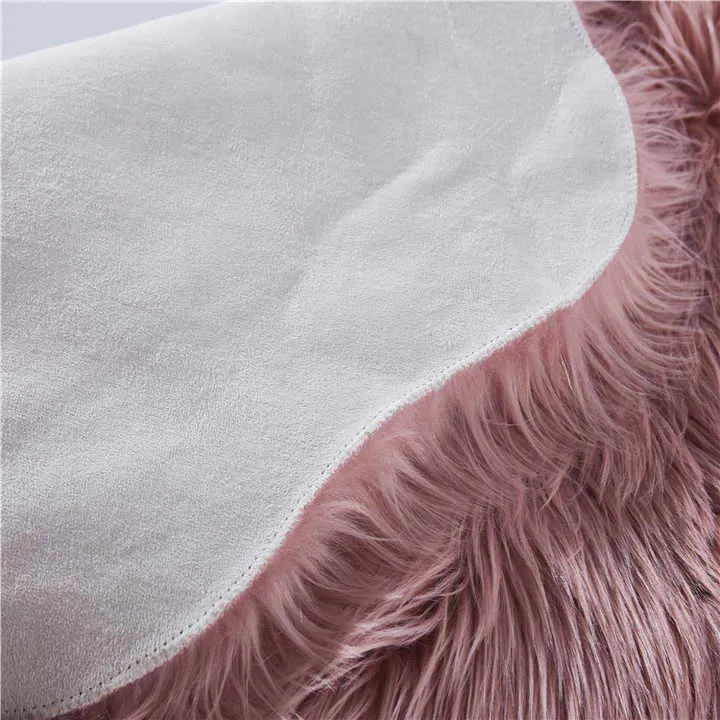
Manufacturing typically begins with yarn extrusion. For synthetic fibers, polymer pellets are melted and forced through spinnerets to form continuous filaments. These filaments are then drawn, textured, and crimped to enhance bulk and resilience. The yarn undergoes heat-setting to stabilize its structure. Rug construction methods include tufting, weaving, and needle punching. Tufting, the most common method for inexpensive rugs, involves inserting yarn loops into a primary backing material (typically polypropylene). These loops are then secured with a secondary backing, often a latex or synthetic rubber coating for added stability and cushioning. Weaving involves interlacing warp and weft yarns on a loom, resulting in a more durable but also more costly product. Needle punching mechanically interlocks fibers to create a non-woven rug. Parameter control during manufacturing focuses on yarn denier (linear mass density), pile height, stitch density, and backing adhesive application. Consistent dye lot control is vital to avoid color variations.
Performance & Engineering
Performance of wholesale area rugs is critically evaluated based on several engineering principles. Abrasion resistance, measured by methods like the Taber Abraser test (ASTM D3886), dictates the rug's ability to withstand foot traffic and maintain its pile integrity. Pile retention force (ASTM D5943) assesses the strength of the tuft lock. Tensile strength (ASTM D4268) determines the resistance to tearing, particularly important for woven rugs. Colorfastness to light (ASTM D1654) and washing (AATCC 163) are crucial for maintaining aesthetic appeal. Dimensional stability (ISO 23244) evaluates shrinkage or expansion due to changes in humidity or temperature.
Environmental resistance involves assessing resistance to staining from common household substances (coffee, wine, oil). This is often evaluated using standardized staining tests. Flammability is a significant concern, requiring compliance with fire safety standards (NFPA 701 for wall hangings, California Technical Bulletin 117 for furniture). The backing material plays a crucial role in preventing delamination and providing slip resistance (ASTM D2047). The impact resistance and cushioning characteristics are dependent upon the backing material and pile density. The VOC emissions from adhesives and dyes are increasingly regulated due to health concerns, with standards like CARB Phase 2 and GREENGUARD Gold setting limits for formaldehyde and other VOCs. These engineering properties directly influence the rug’s lifespan and suitability for various applications.
Technical Specifications
| Parameter | Polypropylene (PP) | Polyester (PET) | Jute | Acrylic |
|---|---|---|---|---|
| Material Cost (USD/kg) | $1.00 - $2.00 | $2.50 - $4.00 | $0.75 - $1.50 | $3.00 - $5.00 |
| Abrasion Resistance (Taber Cycles to Failure) | 8,000 - 15,000 | 12,000 - 20,000 | 2,000 - 5,000 | 6,000 - 10,000 |
| Water Absorption (%) | 0.1 | 0.4 | 15-20 | 1.0 |
| Pile Height (mm) | 5-12 | 8-15 | 3-8 | 7-14 |
| Density (g/m²) | 800-1500 | 1000-2000 | 600-1200 | 900-1800 |
| VOC Emissions (μg/m³) | <50 (compliant with CARB Phase 2) | <70 (compliant with CARB Phase 2) | <10 (Naturally low) | <60 (compliant with CARB Phase 2) |
Failure Mode & Maintenance
Common failure modes in wholesale area rugs include fiber shedding, pile crushing, delamination of the backing, color fading, and staining. Polypropylene rugs are susceptible to UV degradation, leading to discoloration and embrittlement if exposed to prolonged sunlight. Polyester rugs can pill due to fiber friction. Jute rugs are prone to moisture damage, resulting in mold growth and fiber decay. Acrylic rugs can exhibit fuzzing and loss of pile definition over time. Delamination occurs when the adhesive bond between the pile and backing fails, often due to excessive moisture or mechanical stress. Fatigue cracking can also occur in high-traffic areas, leading to tears and holes.
Maintenance strategies include regular vacuuming to remove dirt and debris, spot cleaning stains promptly with appropriate cleaning solutions, and professional deep cleaning periodically. Avoiding direct sunlight exposure can mitigate UV degradation. The use of rug pads can prevent slippage, reduce wear, and provide cushioning. For jute rugs, minimizing exposure to moisture is critical. Preventative maintenance, such as rotating the rug to distribute wear evenly, can extend its lifespan. When addressing delamination, re-gluing with a suitable rug adhesive may provide a temporary fix, but complete replacement is often necessary for significant damage. Proper storage in a dry, well-ventilated area is essential to prevent mold growth.
Industry FAQ
Q: What is the primary difference between polypropylene and polyester rugs regarding stain resistance and cost?
A: Polypropylene generally exhibits superior inherent stain resistance, particularly to oil-based stains, due to its hydrophobic nature. However, polyester offers better color retention and a softer feel. Polypropylene is also significantly less expensive than polyester, making it the preferred choice for cost-sensitive applications.
Q: How does the backing material affect the overall durability of a cheap area rug?
A: The backing material is critical. A high-quality, durable backing – often a woven polypropylene or a robust synthetic rubber – prevents delamination and provides structural stability. Lower-cost rugs often utilize inferior backings prone to cracking and crumbling, leading to premature failure.
Q: What are the key considerations regarding VOC emissions from wholesale area rugs, and how can they be mitigated?
A: VOCs, primarily formaldehyde released from adhesives, can pose health risks. Look for rugs certified to meet standards like CARB Phase 2 or GREENGUARD Gold, which limit VOC emissions. Allowing the rug to off-gas in a well-ventilated area before installation can also reduce exposure.
Q: What is the expected lifespan of a typical wholesale polypropylene area rug in a medium-traffic residential setting?
A: A well-maintained polypropylene rug in a medium-traffic residential setting can typically last 3-5 years. Factors affecting lifespan include pile density, foot traffic, cleaning frequency, and exposure to sunlight.
Q: Are natural fiber rugs (jute/sisal) a viable option for high-traffic areas, and what are their limitations?
A: Natural fiber rugs are generally not recommended for high-traffic areas. While aesthetically appealing, they are less durable than synthetic options and are highly susceptible to wear, staining, and moisture damage. They are best suited for low-traffic areas and decorative purposes.
Conclusion
Wholesale area rugs, particularly those positioned as 'cheap' offerings, represent a complex interplay of material science, manufacturing processes, and performance considerations. Understanding the properties of different fiber types—polypropylene, polyester, jute, and acrylic—is crucial for evaluating suitability for specific applications. The manufacturing techniques employed, especially tufting and weaving, significantly impact durability and cost.
Addressing the industry’s pain points – balancing cost with quality, ensuring acceptable VOC emission levels, and achieving adequate abrasion resistance – requires rigorous quality control and adherence to international standards. By focusing on these technical aspects, procurement professionals can make informed decisions, selecting rugs that deliver acceptable performance and value. Future advancements will likely focus on developing more sustainable and eco-friendly materials and manufacturing processes.